Monkey orange
Strychnos spinosa · Loganiaceae · also known as Green monkey orange, Spiny monkey orange, Morapa, Maboque
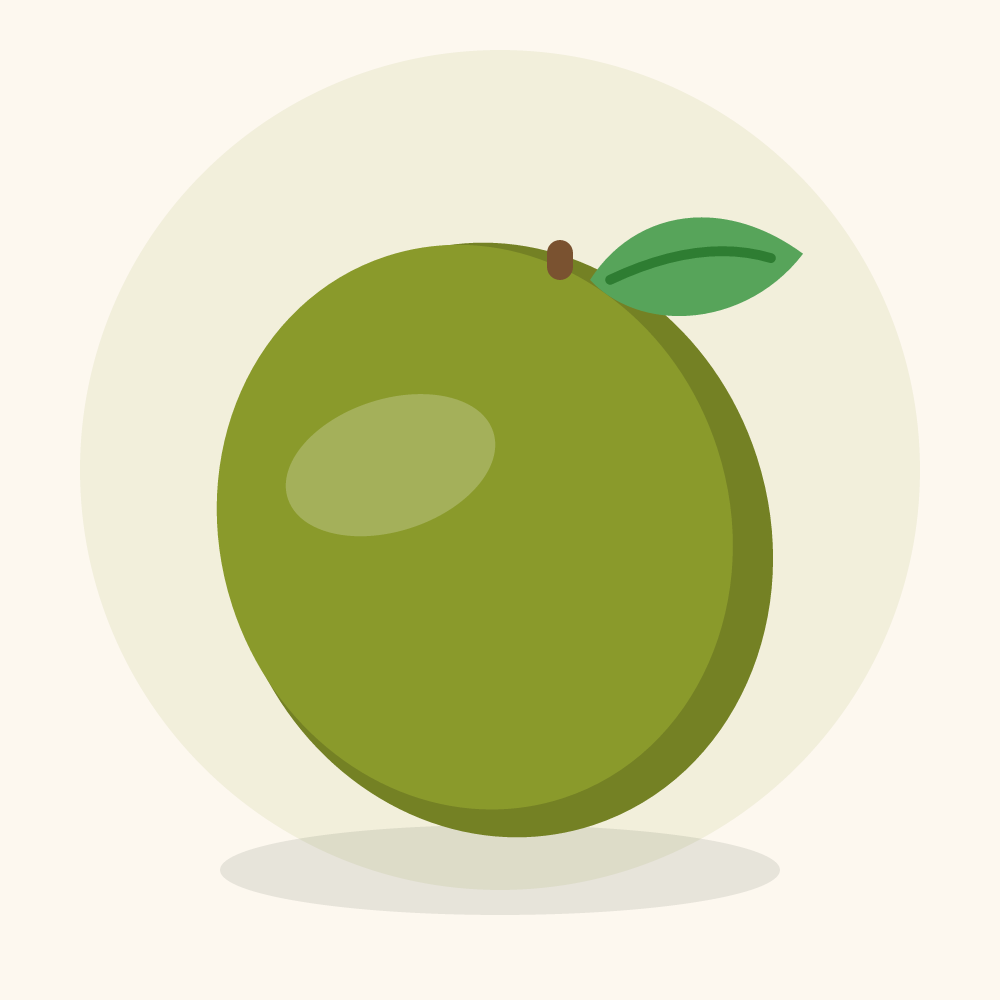
A hard-shelled African savanna fruit like a green cannonball, hiding sweet-sour brown pulp around many seeds. A prized wild food across the bush — but one that must be fully ripe, as the unripe fruit is toxic.
At a glance
- Taste
- Sweet-sour and aromatic when fully ripe, with soft brown-yellow pulp reminiscent of a tangy custard or citrus; the seeds are numerous and must not be eaten.
- Origin
- Sub-Saharan Africa's savannas
- Grown in
- South Africa, Zimbabwe, Zambia, Mozambique, Tanzania
- Peak season
- Autumn, Winter
Sensory & practical profile
Taste fingerprint
- Sweetness
- Tartness
- Aroma
- Juiciness
- Firmness
Approximate, at peak ripeness · 0–5
- Ripe when
- The woody shell turns from green to yellow-brown and smells sweet; green fruit is unripe and toxic, so ripeness is not optional.
- How to eat
- Crack the ripe shell, scoop the soft brown pulp, and eat it around the many seeds — never eat the seeds or any unripe flesh.
- Typical price
- Budget
The monkey orange comes with a strict rule — only the fully ripe pulp is safe, as the green fruit and seeds carry toxic strychnine-family alkaloids — which is why bush knowledge about exactly when to eat it has passed down for generations.
When it's in season, by region
| Region | Peak months |
|---|---|
| Africa | Mar–Aug (southern African dry season) |
How to select & store
Picking a ripe one
Choose fruit whose hard shell has turned from green to yellow-brown, feels heavy, and smells sweet — a ripe shell may sound hollow. Never eat green, unripe fruit, which is toxic.
Storing it
The hard shell keeps the ripe fruit for a week or more at room temperature. The scooped pulp is eaten fresh or made into juice; it does not store long once opened.
Practical uses
🍽️ Culinary
- Ripe pulp scooped and eaten fresh, spitting the seeds
- Made into juice, and traditionally into a fermented drink
- Cooked into jams and porridge additions
🌿 Health & traditional
- Ripe fruit valued as food; other parts of the plant used cautiously in folk medicine
🎎 Cultural
- A cherished bush food across southern and eastern Africa, gathered from the wild in the dry season
- The hard hollow shells are dried and used as containers and rattles
Eating monkey orange: what to know
What regular consumption looks like
Monkey orange is a nutritious everyday fruit, best enjoyed as part of a varied diet. It is a good source of vitamin C (about 30 mg per 100 g), supporting immune function and helping the body absorb iron from plant foods.
Sensible amounts
A typical fruit serving is roughly a handful, one medium fruit, or about 80 g, and two or more varied fruit servings a day is a sensible everyday pattern.
Evidence & conditions
As a whole fruit, Monkey orange contributes fibre, vitamins, and beneficial plant compounds, but it has not been shown to treat or prevent any specific condition — so it is best enjoyed as part of a healthy diet rather than as a remedy.
Monkey orange: frequently asked questions
What does monkey orange taste like?
Sweet-sour and aromatic when fully ripe, with soft brown-yellow pulp reminiscent of a tangy custard or citrus; the seeds are numerous and must not be eaten.
When is monkey orange in season?
Monkey orange is typically in season Africa (Mar–Aug (southern African dry season)). Peak months shift between the northern and southern hemispheres.
How do you eat monkey orange?
Crack the ripe shell, scoop the soft brown pulp, and eat it around the many seeds — never eat the seeds or any unripe flesh.
How do you know when monkey orange is ripe?
The woody shell turns from green to yellow-brown and smells sweet; green fruit is unripe and toxic, so ripeness is not optional.
Is monkey orange good for you?
Monkey orange is a nutritious everyday fruit, best enjoyed as part of a varied diet. It is a good source of vitamin C (about 30 mg per 100 g), supporting immune function and helping the body absorb iron from plant foods.
How much monkey orange should you eat?
A typical fruit serving is roughly a handful, one medium fruit, or about 80 g, and two or more varied fruit servings a day is a sensible everyday pattern.
Like a green cannonball hanging from a savanna tree, the monkey orange guards its sweet-sour pulp behind a shell hard enough to need a good crack. Across southern and eastern Africa it’s a treasured wild food of the dry season, gathered from the bush and scooped for the tangy, custard-like flesh inside.
Ripe, and only ripe
The monkey orange carries a firm rule that bush knowledge has passed down for generations: eat it only when fully ripe. The green, unripe fruit and its many seeds contain toxic strychnine-family alkaloids, so the fruit must be left until its shell turns yellow-brown and smells sweet. Then the soft pulp is eaten fresh (spitting the seeds), pressed into juice, or fermented into a traditional drink. Nothing is wasted — the dried hollow shells become containers and rattles. It’s a fruit that rewards patience and respect, a sweet reward from a hard shell in country where the dry season offers little else. For its savanna companions, see the baobab and marula.
If you like monkey orange, try these
In season with monkey orange

.jpg?width=800)