Mahobohobo
Uapaca kirkiana · Phyllanthaceae · also known as Wild loquat, Mazhanje, Masuku, Msuku, Mahobohobo, Sugar plum
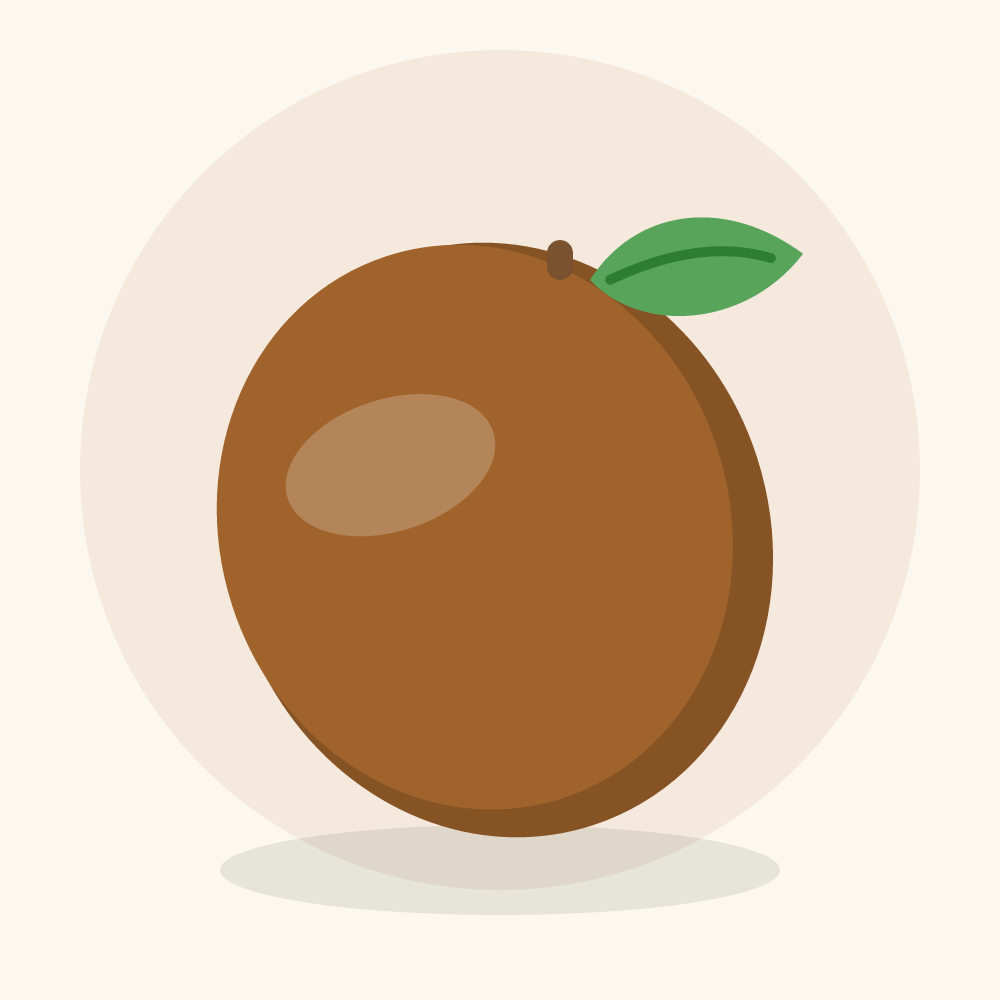
The best-loved wild fruit of the miombo woodlands — a russet-brown ball with sweet, sticky, pear-and-caramel pulp that draws whole communities into the bush each autumn across Zimbabwe, Zambia and Malawi.
At a glance
- Taste
- Sweet and honeyed with a slightly grainy, sticky flesh and notes of pear, date and caramel. Mild rather than sharp, with little acidity. The thin leathery skin is peeled away and the pulp sucked off large seeds.
- Origin
- The miombo woodlands of south-central Africa
- Grown in
- Zimbabwe, Zambia, Malawi, Mozambique, Tanzania, Democratic Republic of the Congo
- Peak season
- Autumn, Winter
- Notable varieties
- Wild-collected; some selection work under way in Malawi and Zimbabwe
Sensory & practical profile
Taste fingerprint
- Sweetness
- Tartness
- Aroma
- Juiciness
- Firmness
Approximate, at peak ripeness · 0–5
- Ripe when
- Fully russet-brown all over and yielding to gentle pressure, often already fallen. Yellow-brown fruit is not ready and the pulp will be gluey rather than sweet.
- How to eat
- Peel or split the thin leathery skin, then suck the sweet sticky pulp off the several large seeds inside. The seeds are discarded and the skin is not eaten.
- Typical price
- Budget
Mahobohobo is one of the few African wild fruits with a serious domestication programme behind it — agroforestry researchers across Zimbabwe, Zambia and Malawi have been selecting and grafting superior trees since the 1990s, precisely because rural demand outstrips what the wild woodland supplies.
When it's in season, by region
| Region | Peak months |
|---|---|
| Africa | Roughly Mar–Aug across the miombo belt, peaking in the cool dry season |
How to select & store
Picking a ripe one
Choose fruit that has turned fully russet-brown and gives to gentle pressure, with skin intact. Yellowish fruit is underripe and gluey; wrinkled or weeping fruit has fermented, which happens quickly.
Storing it
A few days at room temperature at most — it ferments fast, which is exactly why so much of the crop becomes wine. The pulp freezes acceptably and is increasingly processed into juice and jam locally.
Practical uses
🍽️ Culinary
- Eaten fresh, peeled and sucked off the seeds
- Fermented into masuku wine, a significant rural product
- Made into juice, jam and dried fruit cakes
- Sold at roadsides in season across Zimbabwe and Malawi
🌿 Health & traditional
- Bark and roots are used in local traditional medicine; documented usage rather than demonstrated effect
🎎 Cultural
- The defining seasonal wild fruit of the miombo belt, drawing families into the woodland to gather it
- An important rural income and food-security crop, and a target of active domestication research
Eating mahobohobo: what to know
What regular consumption looks like
Mahobohobo is mostly water with natural sugars, a little fibre, and assorted micronutrients — a hydrating everyday addition to your overall fruit intake rather than a standout for any one nutrient.
Sensible amounts
A typical fruit serving is roughly a handful, one medium fruit, or about 80 g, and two or more varied fruit servings a day is a sensible everyday pattern.
Evidence & conditions
As a whole fruit, Mahobohobo contributes fibre, vitamins, and beneficial plant compounds, but it has not been shown to treat or prevent any specific condition — so it is best enjoyed as part of a healthy diet rather than as a remedy.
Mahobohobo: frequently asked questions
What does mahobohobo taste like?
Sweet and honeyed with a slightly grainy, sticky flesh and notes of pear, date and caramel. Mild rather than sharp, with little acidity. The thin leathery skin is peeled away and the pulp sucked off large seeds.
When is mahobohobo in season?
Mahobohobo is typically in season Africa (Roughly Mar–Aug across the miombo belt, peaking in the cool dry season). Peak months shift between the northern and southern hemispheres.
How do you eat mahobohobo?
Peel or split the thin leathery skin, then suck the sweet sticky pulp off the several large seeds inside. The seeds are discarded and the skin is not eaten.
How do you know when mahobohobo is ripe?
Fully russet-brown all over and yielding to gentle pressure, often already fallen. Yellow-brown fruit is not ready and the pulp will be gluey rather than sweet.
Is mahobohobo good for you?
Mahobohobo is mostly water with natural sugars, a little fibre, and assorted micronutrients — a hydrating everyday addition to your overall fruit intake rather than a standout for any one nutrient.
How much mahobohobo should you eat?
A typical fruit serving is roughly a handful, one medium fruit, or about 80 g, and two or more varied fruit servings a day is a sensible everyday pattern.
What does mahobohobo taste like?
Sweet and honeyed, with a sticky slightly grainy flesh that people most often compare to pear, date and caramel. There is very little acidity, which makes it read as mild and confectionary rather than refreshing. The texture is the divisive part — it clings, and it has to be worked off large seeds.
Why is it called wild loquat?
Purely by resemblance. The russet-brown skin and the arrangement of large seeds in sweet pulp remind people of a loquat, and the English name stuck. Botanically the two are unrelated — mahobohobo is Uapaca kirkiana in the Phyllanthaceae, while the true loquat is Eriobotrya japonica, a rose-family fruit from East Asia.
Is mahobohobo farmed?
Mostly it is gathered from wild miombo woodland, but it is one of the few African indigenous fruits with a sustained domestication effort behind it. Agroforestry programmes across Zimbabwe, Zambia and Malawi have been selecting and grafting superior trees since the 1990s, because demand in rural markets consistently outstrips what wild collection can supply.
For a few months each year, the miombo woodlands of south-central Africa fill with people picking mahobohobo.
The fruit of the miombo
Uapaca kirkiana is a medium tree of the miombo belt — the vast dry woodland that runs across Zimbabwe, Zambia, Malawi, Mozambique and southern Tanzania. Its fruit is a russet-brown ball about the size of a small plum, with a thin leathery skin over sweet sticky pulp wrapped around several large seeds.
It is, by a wide margin, the most popular indigenous fruit across its range. In season it is sold at every roadside, and gathering it is a genuine seasonal event rather than a chore.
Eating it
Split or peel the skin, then suck the pulp off the seeds. The flavour is honeyed and mild — pear, date, caramel — with almost no acid to cut it. The texture clings, which is the part people either enjoy or don’t.
It ferments within days of ripening, which is why so much of the crop becomes masuku wine rather than being eaten fresh.
Not a loquat
The English name “wild loquat” is pure resemblance. The real loquat is Eriobotrya japonica, an East Asian rose-family fruit with no relationship to this one beyond a similar russet colour and a similar arrangement of big seeds in sweet flesh.
A fruit being domesticated in real time
Unusually for an African wild fruit, mahobohobo has had a serious agroforestry programme behind it since the 1990s — selecting superior wild trees, grafting them, and trialling orchard planting across Malawi, Zambia and Zimbabwe. The reason is simple economics: rural demand reliably outruns what the woodland produces.
A note on nutrition
We hold no nutrition figures for mahobohobo. Composition studies exist in the African agroforestry literature but we could not reach a national food-composition table for it, and we would rather omit the figures than publish ones we cannot stand behind. The entry is excluded from our nutrition rankings.
If you like mahobohobo, try these


.jpg?width=900)
In season with mahobohobo

.jpg?width=800)