Mobola plum
Parinari curatellifolia · Chrysobalanaceae · also known as Mbola plum, Mmola, Hissing tree fruit, Muula
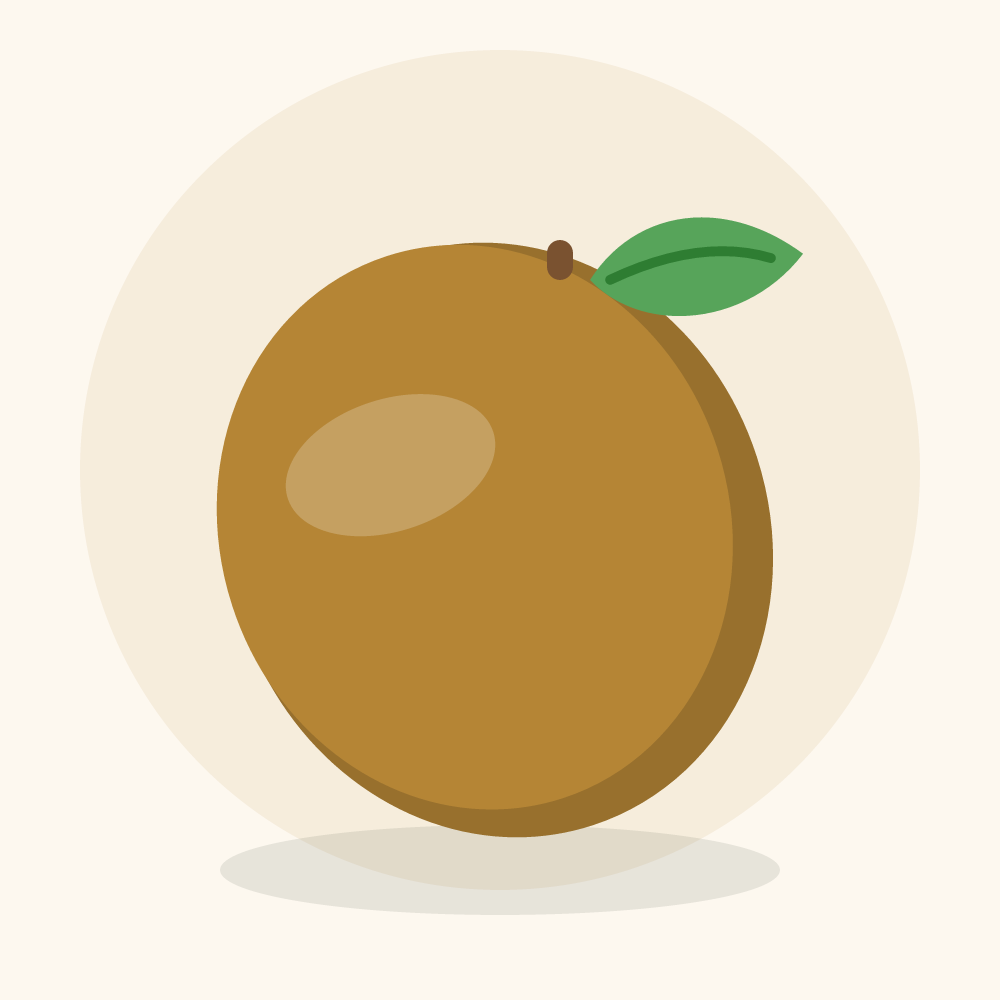
A yellow-brown, plum-sized African fruit with mealy, sweet-sour flesh tasting of dried apricot and pear — a valued wild savanna food across southern and central Africa, eaten fresh, dried, and brewed into a traditional beer.
At a glance
- Taste
- Sweet-sour and mealy when ripe, with soft grainy flesh around a large stone, tasting of dried apricot, pear, and a faint pineapple note; astringent before fully ripe.
- Origin
- Southern and central African woodlands
- Grown in
- Zimbabwe, Zambia, Malawi, Tanzania, Angola
- Peak season
- Spring, Summer
Sensory & practical profile
Taste fingerprint
- Sweetness
- Tartness
- Aroma
- Juiciness
- Firmness
Approximate, at peak ripeness · 0–5
- Ripe when
- Skin turns yellow-brown and softens with a sweet smell; often best gathered ripe from the ground.
- How to eat
- Eat the mealy sweet-sour pulp off the stone fresh, dry it for storage, or brew it into a traditional beer; roast the seed kernels.
- Typical price
- Budget
The mobola plum's tree is nicknamed the "hissing tree" for the sound the wind makes through its leaves — a familiar voice of the miombo woodlands whose fruit has fed people and wildlife across central Africa for generations.
When it's in season, by region
| Region | Peak months |
|---|---|
| Africa | Sep–Dec across the miombo woodlands |
How to select & store
Picking a ripe one
Choose fruit that has turned yellow-brown and softened slightly, smelling sweet; often gathered ripe from the ground. Green fruit is astringent and needs to ripen.
Storing it
A few days once ripe. The pulp dries well for storage, and the harvest is often brewed promptly into beer or made into porridge.
Practical uses
🍽️ Culinary
- Ripe pulp eaten fresh or dried for the lean season
- Brewed into a traditional beer and fermented drinks
- Porridge, jams, and juices
- The oily seed kernels roasted and eaten
🌿 Health & traditional
- Roots, bark, and leaves used across southern African traditional medicine
🎎 Cultural
- A cornerstone wild fruit of the miombo woodlands, feeding people and wildlife alike
- Called the "hissing tree" for the sound the wind makes in its leaves
Eating mobola plum: what to know
What regular consumption looks like
Mobola plum is a nutritious everyday fruit, best enjoyed as part of a varied diet. It is a good source of fibre (about 4 g per 100 g), which supports digestion and satiety.
Sensible amounts
A typical fruit serving is roughly a handful, one medium fruit, or about 80 g, and two or more varied fruit servings a day is a sensible everyday pattern.
Evidence & conditions
As a whole fruit, Mobola plum contributes fibre, vitamins, and beneficial plant compounds, but it has not been shown to treat or prevent any specific condition — so it is best enjoyed as part of a healthy diet rather than as a remedy.
Mobola plum: frequently asked questions
What does mobola plum taste like?
Sweet-sour and mealy when ripe, with soft grainy flesh around a large stone, tasting of dried apricot, pear, and a faint pineapple note; astringent before fully ripe.
When is mobola plum in season?
Mobola plum is typically in season Africa (Sep–Dec across the miombo woodlands). Peak months shift between the northern and southern hemispheres.
How do you eat mobola plum?
Eat the mealy sweet-sour pulp off the stone fresh, dry it for storage, or brew it into a traditional beer; roast the seed kernels.
How do you know when mobola plum is ripe?
Skin turns yellow-brown and softens with a sweet smell; often best gathered ripe from the ground.
Is mobola plum good for you?
Mobola plum is a nutritious everyday fruit, best enjoyed as part of a varied diet. It is a good source of fibre (about 4 g per 100 g), which supports digestion and satiety.
How much mobola plum should you eat?
A typical fruit serving is roughly a handful, one medium fruit, or about 80 g, and two or more varied fruit servings a day is a sensible everyday pattern.
Across the vast miombo woodlands of southern and central Africa, the mobola plum is a cornerstone wild food — a yellow-brown, plum-sized fruit with soft, mealy, sweet-sour flesh tasting of dried apricot and pear. Its tree, nicknamed the “hissing tree” for the wind’s sound in its leaves, is a familiar presence feeding both people and wildlife.
A woodland staple
Gathered ripe (often from the ground) when it turns yellow-brown and soft, the mobola plum is eaten fresh, dried for the lean season, and — importantly — brewed into a traditional beer and fermented drinks, as well as cooked into porridge and jams. Even the oily seed kernels are roasted and eaten, making it a nutritious, low-waste bush resource. Energy-rich and reliable, it’s the kind of fruit that sustains rural communities through the dry months, its roots and bark doubling as traditional medicine. Alongside the jackalberry and wild medlar, it’s one of the great providers of the African woodlands — humble, mealy, and quietly essential.
If you like mobola plum, try these


In season with mobola plum

.jpg?width=800)
.jpg?width=800)