Monkey jack
Artocarpus rigidus · Moraceae · also known as Monkey jack, Perian, Monkey fruit, Kubok
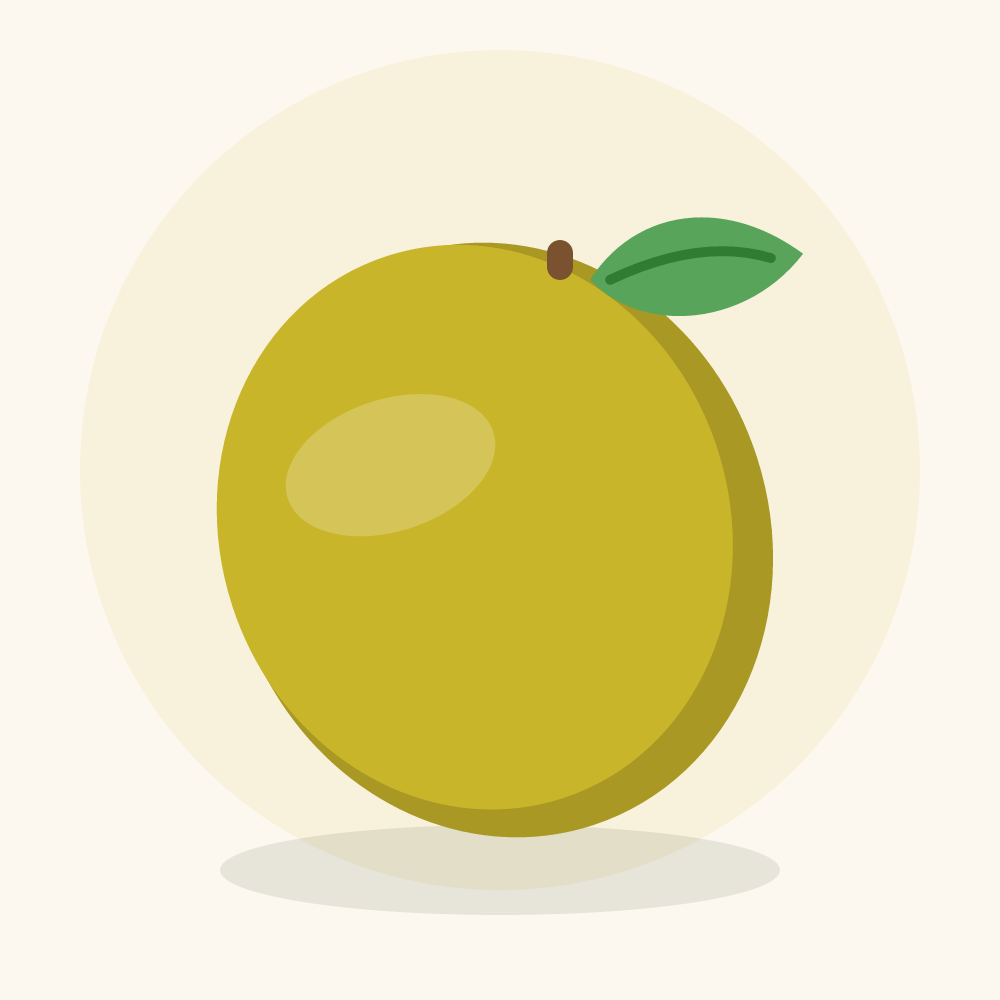
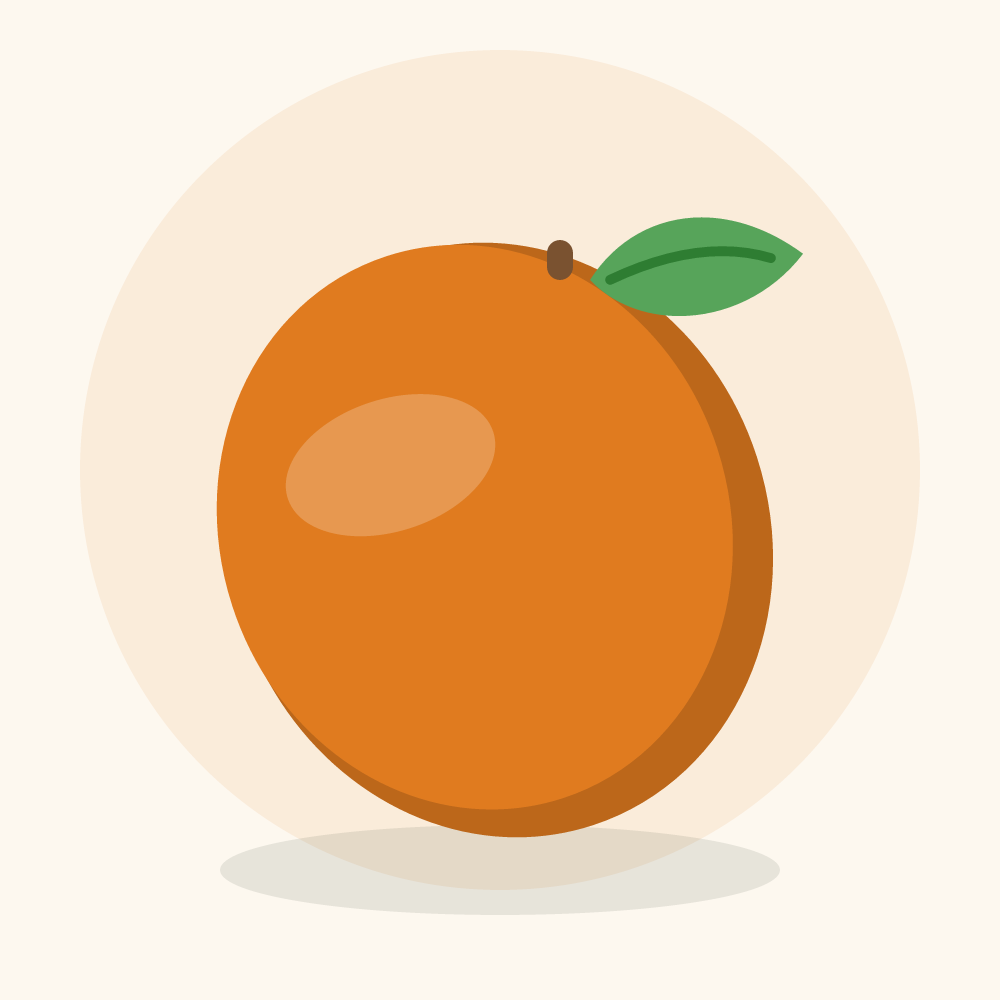
A small, wild jackfruit relative from Southeast Asia — round, rough, and orange-skinned, with sweet-sour deep-orange flesh and crunchy edible seeds. A forest fruit beloved by monkeys and foragers, sharper and smaller than its famous cousins.
At a glance
- Taste
- Sweet-sour and juicy with deep orange-yellow flesh around numerous seeds; brighter and tangier than jackfruit, with a sticky latex and a pleasant sharp-sweet forest flavor.
- Origin
- Maritime Southeast Asia
- Grown in
- Malaysia, Indonesia, Thailand, Myanmar
- Peak season
- Summer, Autumn
Sensory & practical profile
Taste fingerprint
- Sweetness
- Tartness
- Aroma
- Juiciness
- Firmness
Approximate, at peak ripeness · 0–5
- Ripe when
- The rough skin flushes orange and the small round fruit softens with a sweet-sour smell; green fruit is unripe and latex-heavy.
- How to eat
- Open the ripe fruit and eat the sweet-sour orange flesh fresh, then boil or roast the crunchy seeds like chestnuts.
- Typical price
- Budget
The monkey jack earns its name honestly — troops of monkeys prize the small orange fruit in the forest, and rural foragers gather it there too, eating the sweet-sour flesh and roasting its chestnut-like seeds.
When it's in season, by region
| Region | Peak months |
|---|---|
| Southeast Asia | Warm, wet months; fruiting varies by region |
How to select & store
Picking a ripe one
Choose fruit whose rough skin has flushed orange and gives slightly with a sweet-sour smell; green fruit is unripe and heavily latexy. The small round fruit is often gathered from the forest floor.
Storing it
A few days once ripe — perishable and latex-prone. Eaten fresh soon after opening; the seeds are saved and roasted.
Practical uses
🍽️ Culinary
- The sweet-sour orange flesh eaten fresh
- The seeds boiled or roasted like chestnuts
- Made into local drinks and preserves
🌿 Health & traditional
- Roots and bark used in Southeast Asian folk medicine; the tree also yields timber and dye
🎎 Cultural
- A wild forest fruit long gathered by rural communities, and famously eaten by monkeys — hence the name
- Sometimes planted in villages, but mostly a fruit of the jungle
Eating monkey jack: what to know
What regular consumption looks like
Monkey jack is a nutritious everyday fruit, best enjoyed as part of a varied diet. It is a good source of fibre (about 3 g per 100 g), which supports digestion and satiety.
Sensible amounts
A typical fruit serving is roughly a handful, one medium fruit, or about 80 g, and two or more varied fruit servings a day is a sensible everyday pattern.
Evidence & conditions
As a whole fruit, Monkey jack contributes fibre, vitamins, and beneficial plant compounds, but it has not been shown to treat or prevent any specific condition — so it is best enjoyed as part of a healthy diet rather than as a remedy.
Monkey jack: frequently asked questions
What does monkey jack taste like?
Sweet-sour and juicy with deep orange-yellow flesh around numerous seeds; brighter and tangier than jackfruit, with a sticky latex and a pleasant sharp-sweet forest flavor.
When is monkey jack in season?
Monkey jack is typically in season Southeast Asia (Warm, wet months; fruiting varies by region). Peak months shift between the northern and southern hemispheres.
How do you eat monkey jack?
Open the ripe fruit and eat the sweet-sour orange flesh fresh, then boil or roast the crunchy seeds like chestnuts.
How do you know when monkey jack is ripe?
The rough skin flushes orange and the small round fruit softens with a sweet-sour smell; green fruit is unripe and latex-heavy.
Is monkey jack good for you?
Monkey jack is a nutritious everyday fruit, best enjoyed as part of a varied diet. It is a good source of fibre (about 3 g per 100 g), which supports digestion and satiety.
How much monkey jack should you eat?
A typical fruit serving is roughly a handful, one medium fruit, or about 80 g, and two or more varied fruit servings a day is a sensible everyday pattern.
The jackfruit has many wild relatives, and the monkey jack is one of the liveliest — a small, round, rough-skinned forest fruit that ripens orange and hides sweet-sour, deep-orange flesh. Sharper and far smaller than its giant cousin, it’s a fruit of the Southeast Asian jungle, prized by monkeys and foragers alike.
A tangy fruit of the forest floor
Where jackfruit is mild and honey-sweet, the monkey jack brings a bright sweet-sour tang, its juicy orange flesh clustered around numerous seeds. Those seeds are a bonus crop, boiled or roasted like little chestnuts, so a single fruit offers two foods. It runs with milky latex like all Artocarpus, and is mostly gathered wild — from the forest floor or low branches — though villages sometimes plant it for fruit, timber, and dye. Kin to the jackfruit, the marang, and the miniature kwai muk, the monkey jack is the tangy, wild-hearted member of the clan — the one you’re more likely to share with a monkey than to find in a market.
If you like monkey jack, try these
.jpg?width=800)
.JPG?width=800)
In season with monkey jack

.jpg?width=800)