Autumn fruits

59 fruits

Harvest months in the tropics — durian, mangosteen, rambutan, and pomelo flood the markets together.

Abiu illustration

Abiu

A smooth, bright-yellow Amazonian fruit with clear, jelly-like flesh that tastes of caramel-vanilla custard — one of the gentlest and sweetest of the sapote family.

Acerola illustration

Acerola

A small, bright-red cherry-lookalike from the tropical Americas that packs one of the highest vitamin C concentrations of any fruit — the reason it fills supplement bottles worldwide.

Apple illustration

Apple

The world's most cultivated temperate fruit — crisp, sweet-tart, endlessly varied across 7,500+ cultivars, and the keeper of the cold-storage crown that puts it on shelves year-round.

Bignay illustration

Bignay

Long grape-like clusters of tiny berries that ripen unevenly from green to red to near-black — sour to sweet-tart on one string — famous across the Philippines as a wine and jam fruit.

Biriba illustration

Biriba

An Amazonian custard-apple cousin whose soft, spiny yellow skin hides white flesh that tastes uncannily of lemon meringue pie — one of the sweetest, most delicate fruits of the tropics, and one of the most fragile.

Blackberry illustration

Blackberry

The hedgerow's free dessert — glossy, wine-dark aggregate berries that carry their core with them, deeper and more tannic than raspberries, and the anchor of crumbles and bramble jelly.

Buddha's hand illustration

Buddha's hand

A citron that grows in eerie finger-like segments, all fragrant rind and pith with almost no flesh or juice — grown for its powerful perfume, its zest, and its role as a ceremonial offering.

Cape gooseberry illustration

Cape gooseberry

A golden marble in a papery lantern husk — sweet-tart and tomatoey-tropical, eaten fresh as a fancy garnish, dried like a raisin, or cooked into jams across the Andes and beyond.

Cranberry illustration

Cranberry

The bog berry that bounces — too tart to eat raw, essential once sweetened, and the only major fruit harvested by flooding fields into floating crimson seas. Thanksgiving's non-negotiable.

Date illustration

Date

The desert's candy and civilization's first sweetener — a palm fruit so energy-dense it fed caravans across empty quarters. Medjools eat like soft caramel; Deglet Noors like honeyed toffee.

Elderberry illustration

Elderberry

Hedgerow clusters of tiny purple-black berries — too sharp and mildly toxic to eat raw, but cooked into cordials, syrups, and wines that anchor European folk medicine and midsummer tradition.

Feijoa illustration

Feijoa

New Zealand's adopted obsession — an egg-shaped South American myrtle fruit tasting of pineapple, guava, and mint at once, scooped with a spoon and impossible to buy where it doesn't grow.

Fig illustration

Fig

The inside-out flower of the ancient Mediterranean — jammy, honeyed, and seeded with a thousand crunchy achenes. Possibly the first plant humans ever cultivated, and still the taste of late summer.

Finger lime illustration

Finger lime

An Australian rainforest citrus shaped like a stubby finger, filled with tiny juice pearls that burst like caviar — a native bushfood turned fine-dining garnish.

Gac illustration

Gac

A spiky crimson Southeast Asian gourd-fruit, mild in taste but extraordinary in color — its red seed membranes are among the richest natural sources of lycopene and beta-carotene known.

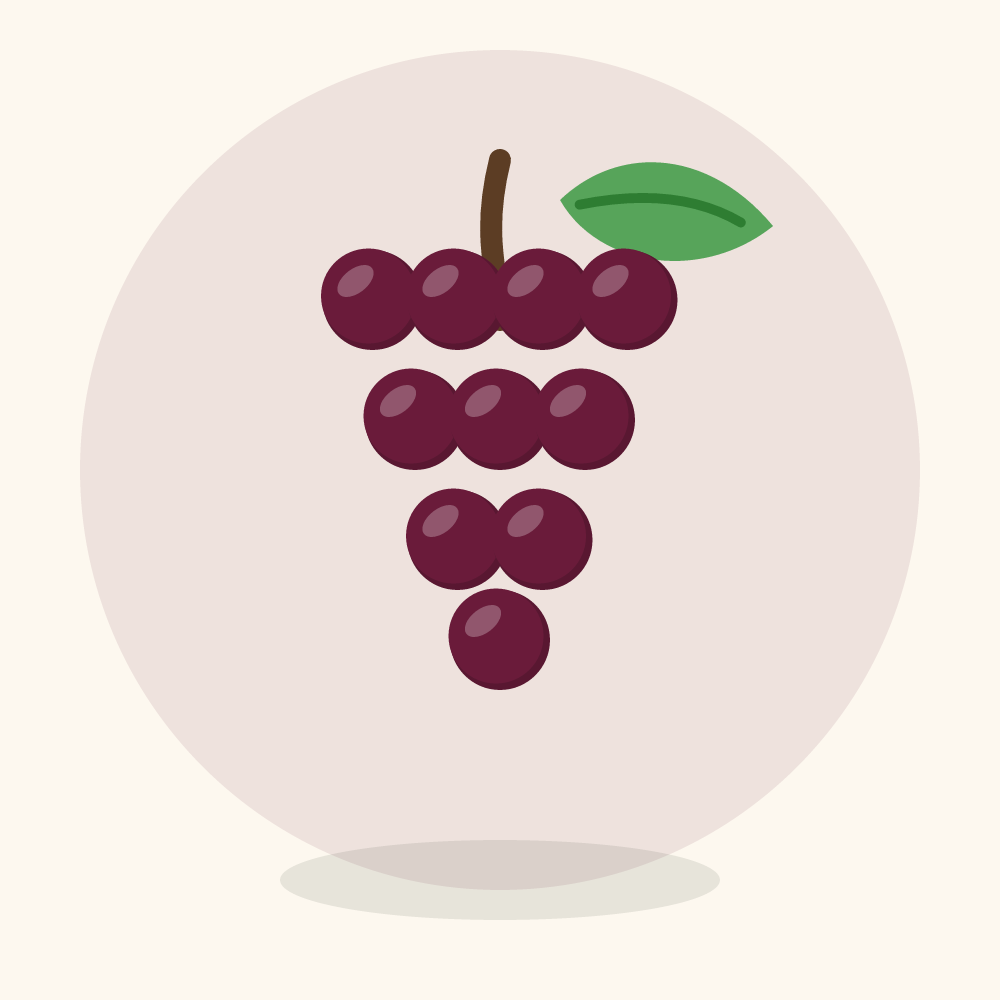
Grape illustration

Grape

Humanity's most consequential fruit — eight thousand years of wine, raisins, and table grapes from one vine species. Modern breeding turned it into nature's candy; fermentation turned it into civilization's drink.

Guava illustration

Guava

The tropics' perfume bomb — a humble green orb whose aroma fills rooms and whose vitamin C embarrasses citrus four times over. Eaten crunchy-green with salt in Asia, pink-ripe and fragrant in the Americas.

Honeydew illustration

Honeydew

The quiet melon — smooth ivory skin, pale jade flesh, and a clean, honeyed sweetness without cantaloupe's musk. Underrated because usually underripe; transcendent when allowed to finish.

Jujube illustration

Jujube

China's red date — crisp apple-snack when fresh, caramel-chewy "date" when dried, and a four-thousand-year fixture of Chinese kitchens, medicine chests, and wedding beds alike.

Kiwano illustration

Kiwano

A spiky orange melon from the African drylands, its alien shell hiding lime-green jelly studded with seeds — refreshing, cucumber-meets-kiwi, and more spectacle than sweetness.

Kiwi illustration

Kiwi

A Chinese vine fruit rebranded by New Zealand into a global icon — emerald flesh, edible black seeds, dessert-bright acidity, and more vitamin C than an orange, gram for gram.

Lanzones illustration

Lanzones

Southeast Asia's translucent grape-in-a-jacket — dusty tan clusters hiding segments of sweet-tart, grapefruit-honey flesh. The pride of Camiguin island and Laguna province, celebrated with its own festival.

Lingonberry illustration

Lingonberry

The tart red jewel of the Nordic and boreal forests — small, firm, cranberry-like berries whose natural preservative acids let a simple stir of sugar keep them for a year.

Longan illustration

Longan

The "dragon's eye" — lychee's smaller, tan-shelled cousin with muskier honey flavor and a black seed staring from translucent flesh. Beloved fresh in summer, dried year-round in Chinese kitchens and teas.

Mandarin illustration

Mandarin

The easy-peeling, kid-friendly citrus — one of the three ancestral citrus species from which oranges, grapefruits, and most hybrids descend. Sweet, seedless modern types made it a lunchbox superpower.

Mangosteen illustration

Mangosteen

The "Queen of Fruits" — a deep-purple shell that opens to snow-white segments tasting of lychee, peach, and citrus sorbet. Once so coveted Queen Victoria allegedly offered a reward for a fresh one.

Maqui illustration

Maqui

A tiny, intensely dark-purple berry from the forests of Patagonia — sacred to the Mapuche people, among the most anthocyanin-rich fruits measured, and a rising South American superfruit.

Marang illustration

Marang

Mindanao's aromatic jackfruit cousin — a bristly green pod that opens to soft, snow-white segments tasting of custard, banana, and pear, with an intense perfume and a short shelf life.

Medlar illustration

Medlar

A near-forgotten medieval pome eaten only once it has "bletted" — softened past ripeness into a spiced, apple-butter-like flesh that tastes of cinnamon, date, and toffee.

Nance illustration

Nance

Small golden fruits with a powerful, cheesy-fermented aroma and an oily, sweet-sour flesh — a nostalgic street snack across Mexico and Central America, sold in syrup or with chili and salt.

Pawpaw illustration

Pawpaw

North America's largest native fruit — a temperate cousin of the cherimoya with soft, tropical-tasting custard flesh of banana, mango, and vanilla, almost never sold because it bruises in a day.

Pear illustration

Pear

The apple's silkier cousin — buttery, perfumed flesh that ripens from the inside out and rewards patience like few other fruits. Asian pears add a crisp, juicy alternate personality.

Pepino illustration

Pepino

A mild, mellow Andean fruit that looks like a purple-streaked golden egg and tastes like a cross between honeydew and cucumber — refreshing, low-sugar, and eaten like a melon.

Persimmon illustration

Persimmon

Autumn's lantern — a glowing orange fruit with two personalities: crisp, sweet Fuyu eaten like an apple, and Hachiya, an astringency bomb that transforms into apricot-honey custard when fully soft.

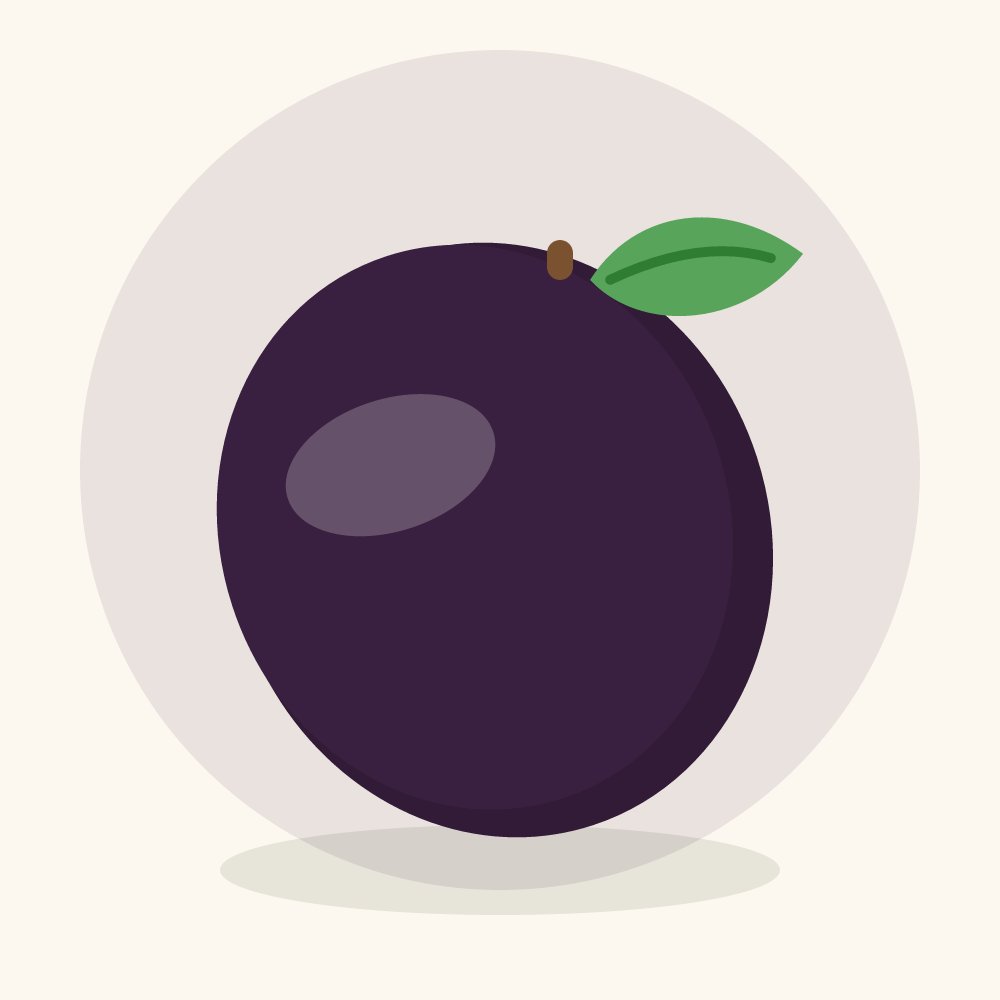
Plum illustration

Plum

The most varied stone fruit — from candy-sweet Japanese hybrids to honeyed greengages to tart damsons — plus a second life as the prune, the fruit world's most rehabilitated dried good.

Pomegranate illustration

Pomegranate

The jewel box of fruits — a leathery red vault packed with hundreds of ruby arils, each a burst of sweet-tart juice around a crunchy seed. Persia's ancient symbol of abundance, now a superfood-aisle fixture.

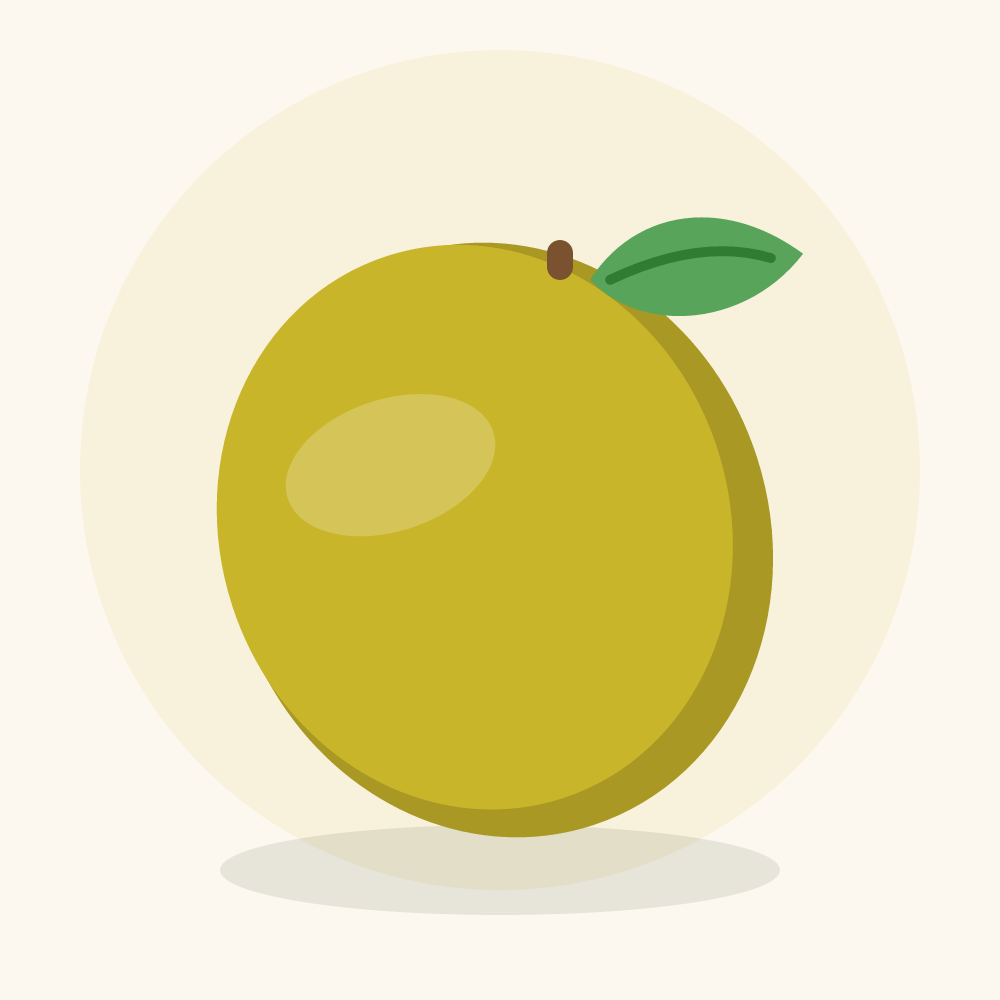
Pomelo illustration

Pomelo

The largest citrus on earth and the wild ancestor of the grapefruit — thick-armored, gently sweet, and never bitter, with firm juice vesicles that snap like citrus caviar.

Quince illustration

Quince

The golden, perfumed ancestor of marmalade — rock-hard and astringent raw, but cooked it turns rose-pink, silky, and intensely aromatic. The most transformative fruit in the kitchen.

Raspberry illustration

Raspberry

The most perfumed berry — a hollow crown of drupelets with huge flavor, huge fiber, remarkably little sugar, and a shelf life measured in hours. Eat them the day you meet them.

Santol illustration

Santol

The cotton fruit — a golden tennis ball whose sour rind hides sweet, cottony white segments you suck rather than chew. A Filipino and Thai backyard classic with a serious don't-swallow-the-seed rule.

Sea buckthorn illustration

Sea buckthorn

Vivid orange berries that cling in dense clusters to thorny coastal and mountain shrubs — bracingly sour, wildly nutritious, and rich in a rare fruit oil used for skin and health.

Soursop illustration

Soursop

The tropics' creamiest sour fruit — a spiky green giant whose white pulp tastes like strawberry-pineapple custard with citrus lightning. The soul of Latin sorbets and Filipino juice stands alike.

Starfruit illustration

Starfruit

The fruit that slices into stars — waxy golden ridges, crisp grape-citrus flesh, and zero prep beyond a knife. A garnish celebrity that's genuinely good eating, with one serious kidney-health caveat.

Sugar-apple illustration

Sugar-apple

The knobby little custard grenade — scaly segments that pull apart into spoonfuls of perfumed, pear-custard sweetness around slick black seeds. The Philippines' beloved atis, best eaten with your hands.

Tamarillo illustration

Tamarillo

An egg-shaped, jewel-toned relative of the tomato — tangy, savoury-sweet flesh with an edible skin best peeled, eaten spooned from the shell or cooked into chutneys across the Andes and New Zealand.

Ugni illustration

Ugni

A tiny maroon berry with an outsized aroma — sweet-tart and perfumed with strawberry, guava, and bubblegum — foraged in Chile and famous as Queen Victoria's reputed favourite fruit.

Combine with more filters →