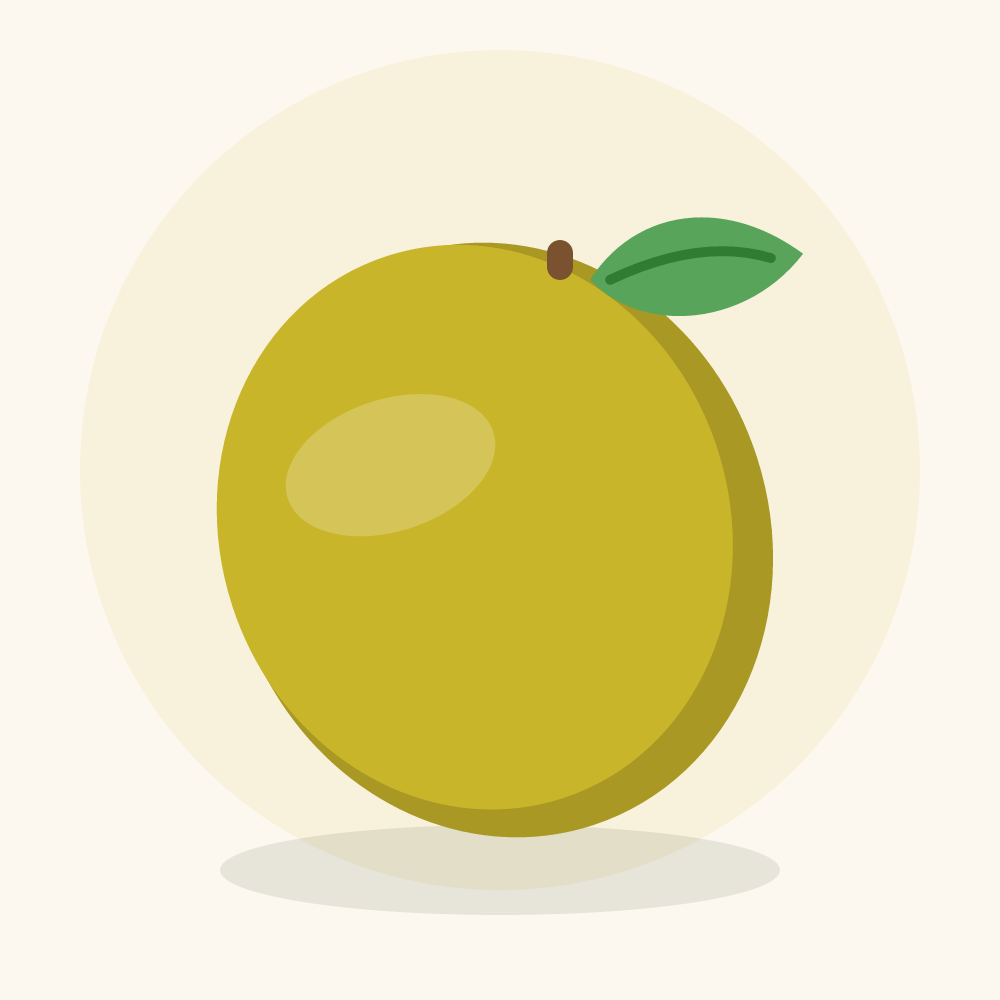
Nance
Byrsonima crassifolia · Malpighiaceae · also known as Nanche, Golden spoon, Craboo, Muruci
Small golden fruits with a powerful, cheesy-fermented aroma and an oily, sweet-sour flesh — a nostalgic street snack across Mexico and Central America, sold in syrup or with chili and salt.
.jpg?width=800)
At a glance
- Taste
- Rich, oily, and sweet-sour with a strong, pungent, almost cheesy-fermented aroma that divides people. The flesh is soft and clings to a hard central stone; the smell is far bolder than the taste.
- Origin
- Tropical Mexico, Central America, and northern South America
- Grown in
- Mexico, Guatemala, Costa Rica, Brazil, Colombia
- Peak season
- Summer, Autumn
Sensory & practical profile
Taste fingerprint
- Sweetness
- Tartness
- Aroma
- Juiciness
- Firmness
Approximate, at peak ripeness · 0–5
- Ripe when
- Fully yellow-to-golden and slightly soft, with its characteristic strong aroma.
- How to eat
- Eat fresh with chili, lime and salt, or buy it jarred in syrup — the fresh fruit ferments within a day.
- Typical price
- Budget
Its pungent, cheesy-fermented smell divides Central America the way durian divides Asia.
How to select & store
Picking a ripe one
Choose fully yellow-to-golden, slightly soft fruit with the characteristic strong aroma. It is often sold already preserved in jars of syrup or brine because the fresh fruit is so perishable and pungent.
Storing it
Fresh nance ferments quickly — use within a day or two, or buy it jarred in syrup or brine, which is the common form. Freezing preserves the pulp for later drinks.
Practical uses
🍽️ Culinary
- Eaten fresh with chili, lime, and salt as a Mexican and Central American street snack
- Nance in syrup or brine, sold by the jar
- Aguas frescas, ice cream, and the Central American liqueur crema de nance
- Stewed into desserts and used in tamales in some regions
🌿 Health & traditional
- Bark and fruit used in Latin American folk medicine for digestion and skin
- The high vitamin C and fiber make it a valued traditional food
🎎 Cultural
- A nostalgic childhood fruit across Mexico and Central America, strongly tied to street vendors
- Its pungent aroma makes it as polarizing in its region as durian is in Asia
Eating nance: what to know
What regular consumption looks like
Nance is a nutritious everyday fruit, best enjoyed as part of a varied diet. It is high in fibre (about 7.5 g per 100 g), which supports healthy digestion and regularity and helps you feel full. It is a good source of vitamin C (about 90 mg per 100 g), supporting immune function and helping the body absorb iron from plant foods. Its pigments and polyphenols are antioxidants that population studies associate with heart health, though that reflects overall diet rather than any single fruit.
Sensible amounts
A typical fruit serving is roughly a handful, one medium fruit, or about 80 g, and two or more varied fruit servings a day is a sensible everyday pattern. If you are not used to high-fibre foods, build up gradually and drink plenty of water to avoid bloating or wind.
Evidence & conditions
As a whole fruit, Nance contributes fibre, vitamins, and beneficial plant compounds, but it has not been shown to treat or prevent any specific condition — so it is best enjoyed as part of a healthy diet rather than as a remedy.
Nance: frequently asked questions
What does nance taste like?
Rich, oily, and sweet-sour with a strong, pungent, almost cheesy-fermented aroma that divides people. The flesh is soft and clings to a hard central stone; the smell is far bolder than the taste.
When is nance in season?
Nance is mainly a Summer and Autumn fruit, with exact months depending on the growing region and hemisphere.
How do you eat nance?
Eat fresh with chili, lime and salt, or buy it jarred in syrup — the fresh fruit ferments within a day.
How do you know when nance is ripe?
Fully yellow-to-golden and slightly soft, with its characteristic strong aroma.
Is nance good for you?
Nance is a nutritious everyday fruit, best enjoyed as part of a varied diet. It is high in fibre (about 7.5 g per 100 g), which supports healthy digestion and regularity and helps you feel full. It is a good source of vitamin C (about 90 mg per 100 g), supporting immune function and helping the body absorb iron from plant foods. Its pigments and polyphenols are antioxidants that population studies associate with heart health, though that reflects overall diet rather than any single fruit.
How much nance should you eat?
A typical fruit serving is roughly a handful, one medium fruit, or about 80 g, and two or more varied fruit servings a day is a sensible everyday pattern. If you are not used to high-fibre foods, build up gradually and drink plenty of water to avoid bloating or wind.
Nance is Central America’s polarizing little golden fruit — the one your nose meets before your mouth. Small, round, and sunny yellow, it carries a powerful, cheesy-fermented aroma that draws devotees and repels newcomers, a regional stand-in for the way durian divides Asia. Behind the smell is an oily, sweet-sour flesh clinging to a hard stone.
A street-cart classic
Across Mexico and Central America, nance is nostalgia food: sold from carts with chili, lime, and salt, jarred in syrup or brine, blended into aguas frescas and ice cream, or steeped into the Central American liqueur crema de nance. Because the fresh fruit ferments within a day, the preserved forms are how most people actually eat it year-round.
Small fruit, big nutrition
For its size, nance packs a surprising nutritional punch — very high fiber, a strong dose of vitamin C, and, unusually, real oil that carries fat-soluble nutrients. Alongside guava, it’s another humble Latin American fruit that quietly outperforms its reputation, if you can get past the aroma.
If you like nance, try these
.jpg?width=800)
In season with nance

.jpg?width=800)