Medlar
Mespilus germanica · Rosaceae · also known as Nespola, Mispel, Openarse (archaic English)
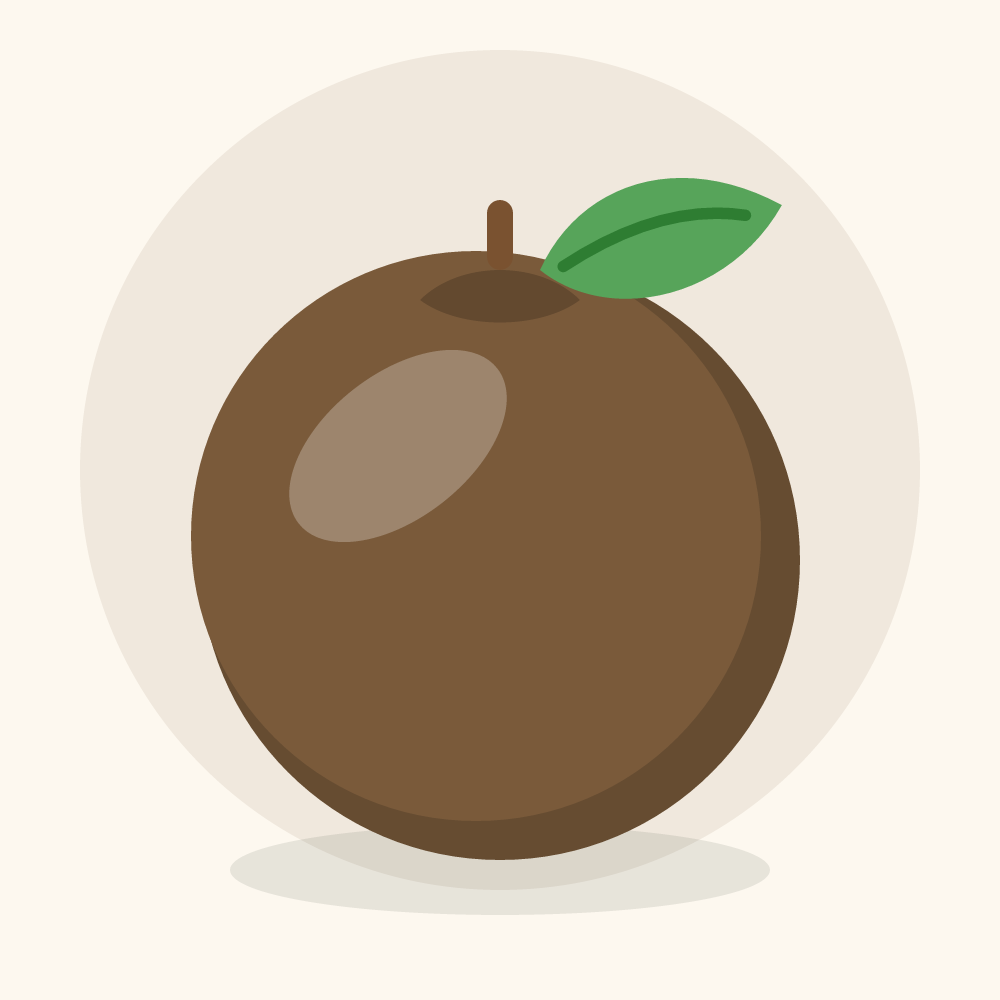
A near-forgotten medieval pome eaten only once it has "bletted" — softened past ripeness into a spiced, apple-butter-like flesh that tastes of cinnamon, date, and toffee.

At a glance
- Taste
- Bletted medlar is soft, brown, and sweet-spicy — like spiced apple sauce or date with a wine note. Firm and unbletted it is hard, sour, and mouth-drying tannin; the transformation is the whole point.
- Origin
- Southwest Asia and southeastern Europe; cultivated since Roman times
- Grown in
- Iran, Turkey, Italy, United Kingdom, Azerbaijan
- Peak season
- Autumn, Winter
Sensory & practical profile
Taste fingerprint
- Sweetness
- Tartness
- Aroma
- Juiciness
- Firmness
Approximate, at peak ripeness · 0–5
- Ripe when
- Only after "bletting" — left to soften past ripeness until brown and squishy; a hard medlar is pure tannin.
- How to eat
- Spoon the bletted, spiced-apple-butter flesh from the skin, or turn it into an amber jelly.
- Typical price
- Everyday
A common medieval fruit named by Chaucer and Shakespeare, now a rare heritage curiosity.
How to select & store
Picking a ripe one
Sold hard in late autumn — that is normal. Choose unblemished brown fruit; you finish the ripening at home by bletting (letting it soften and turn brown), which can take a week or two.
Storing it
Lay hard fruit out in a single layer, cool and airy, until it goes squishy-brown and sweet (bletting). Once bletted, eat within days or cook into jelly and cheese.
Practical uses
🍽️ Culinary
- Bletted flesh spooned raw, sometimes with cream and a little sugar
- Medlar jelly, a beautiful amber preserve for cheese and toast
- Medlar "cheese" (a dense fruit paste) like quince membrillo
- Baked or added to tarts and mincemeat
🌿 Health & traditional
- Historically used as a mild astringent for the digestion before bletting softened it
🎎 Cultural
- A common medieval and Tudor fruit, referenced by Chaucer and Shakespeare, now a rare heritage curiosity
- Its unusual open-ended shape earned it some very earthy old nicknames
Eating medlar: what to know
What regular consumption looks like
Medlar is mostly water with natural sugars, a little fibre, and assorted micronutrients — a hydrating everyday addition to your overall fruit intake rather than a standout for any one nutrient.
Sensible amounts
A typical fruit serving is roughly a handful, one medium fruit, or about 80 g, and two or more varied fruit servings a day is a sensible everyday pattern.
Evidence & conditions
As a whole fruit, Medlar contributes fibre, vitamins, and beneficial plant compounds, but it has not been shown to treat or prevent any specific condition — so it is best enjoyed as part of a healthy diet rather than as a remedy.
Medlar: frequently asked questions
What does medlar taste like?
Bletted medlar is soft, brown, and sweet-spicy — like spiced apple sauce or date with a wine note. Firm and unbletted it is hard, sour, and mouth-drying tannin; the transformation is the whole point.
When is medlar in season?
Medlar is mainly a Autumn and Winter fruit, with exact months depending on the growing region and hemisphere.
How do you eat medlar?
Spoon the bletted, spiced-apple-butter flesh from the skin, or turn it into an amber jelly.
How do you know when medlar is ripe?
Only after "bletting" — left to soften past ripeness until brown and squishy; a hard medlar is pure tannin.
Is medlar good for you?
Medlar is mostly water with natural sugars, a little fibre, and assorted micronutrients — a hydrating everyday addition to your overall fruit intake rather than a standout for any one nutrient.
How much medlar should you eat?
A typical fruit serving is roughly a handful, one medium fruit, or about 80 g, and two or more varied fruit servings a day is a sensible everyday pattern.
The medlar is a fruit out of time — a staple of medieval and Tudor orchards, name-checked by Chaucer and Shakespeare, now so rare most people have never seen one. Its strangeness is that you must let it rot, a little, on purpose: only after bletting — softening past ripeness until the flesh turns brown and yielding — does the hard, sour fruit become edible.
The magic of bletting
Picked in late autumn, a medlar is a rock of tannin. Left in a cool, airy spot for a week or two, it transforms: the flesh goes soft and brown, the tannins mellow, and the flavor blooms into spiced apple butter, date, and toffee with a hint of wine. Spooned from the skin with a little cream, it is a genuinely lovely winter dessert — and a taste almost no one alive grew up with.
The preserving pome
Like its Rosaceae cousin the quince, medlar is rich enough in flavor and pectin to make a superb amber jelly and a dense fruit “cheese” for the cheeseboard. It ripens alongside apples and pears but keeps a character all its own — a heritage fruit worth reviving for anyone with patience.
If you like medlar, try these


In season with medlar

.jpg?width=800)
.jpg?width=800)