Kousa dogwood
Cornus kousa · Cornaceae · also known as Chinese dogwood, Japanese dogwood, Kousa, Benthamia japonica
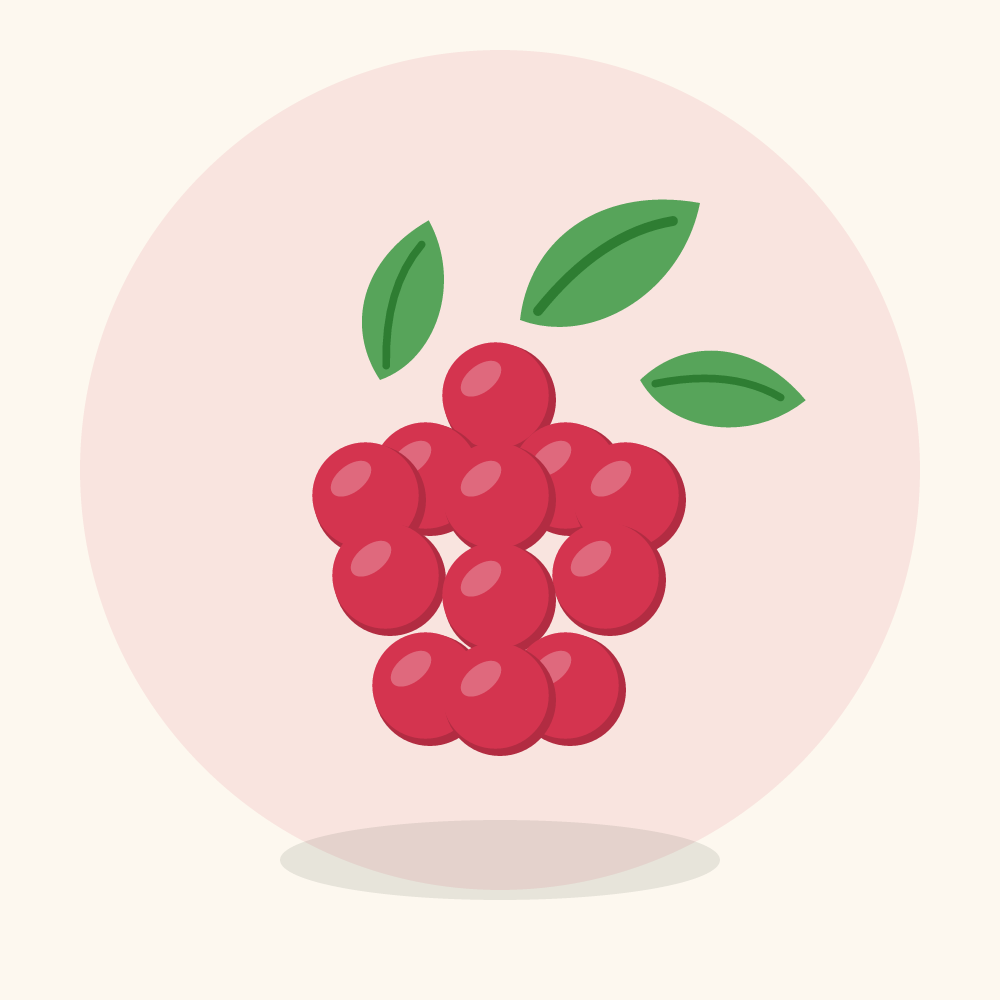
An East Asian dogwood planted in gardens for its late-spring bracts, whose pink-red, raspberry-like fruit ripens in August and September. The fruit is edible, with soft yellow-orange pulp, though most of it is left for birds and squirrels.
At a glance
- Taste
- Mild and sweet, with soft, rather mealy yellow-orange pulp inside a pink-red skin that is tougher than the flesh. The University of Illinois calls it edible but of little culinary value.
- Origin
- Eastern Asia — native to China, Japan, Korea and Taiwan, from Sikkim eastward
- Grown in
- China, Japan, South Korea, United States
- Peak season
- Summer, Autumn
Sensory & practical profile
Taste fingerprint
- Sweetness
- Tartness
- Aroma
- Juiciness
- Firmness
Approximate, at peak ripeness · 0–5
- Ripe when
- The ball has turned from green to pink-red and comes away from the tree easily, in August to September.
- How to eat
- Split the skin and eat the soft pulp, spitting out the seeds, or press the pulp through a sieve to separate it from skin and seeds for jam.
Kousa is the Japanese name for the tree. What look like its four white petals are bracts that surround a small cluster of real flowers, and that cluster becomes the fruit: a ball of fused drupes that looks like a raspberry.
When it's in season, by region
| Region | Peak months |
|---|---|
| North America | Aug–Sep (garden trees) |
How to select & store
Picking a ripe one
Pick fruit that has turned from green to deep pink or red and gives slightly when pressed. Ripe fruit drops from the tree, so the freshest come straight off the branch.
Storing it
Eat within a day or two of picking. Fallen fruit ferments quickly on the ground and draws yellow jackets, so gather it promptly.
Practical uses
🍽️ Culinary
- Eaten fresh, sucking the pulp out of the skin
- Pulp sieved free of skin and seeds for jams and fruit leather
🎎 Cultural
- Grown mainly as an ornamental for its white bracts, peeling bark and red autumn leaves
- Planted in North America as a disease-resistant alternative to the native flowering dogwood
Eating kousa dogwood: what to know
What regular consumption looks like
Kousa dogwood is mostly water with natural sugars, a little fibre, and assorted micronutrients — a hydrating everyday addition to your overall fruit intake rather than a standout for any one nutrient.
Sensible amounts
A typical fruit serving is roughly a handful, one medium fruit, or about 80 g, and two or more varied fruit servings a day is a sensible everyday pattern.
Evidence & conditions
As a whole fruit, Kousa dogwood contributes fibre, vitamins, and beneficial plant compounds, but it has not been shown to treat or prevent any specific condition — so it is best enjoyed as part of a healthy diet rather than as a remedy.
Kousa dogwood: frequently asked questions
What does kousa dogwood taste like?
Mild and sweet, with soft, rather mealy yellow-orange pulp inside a pink-red skin that is tougher than the flesh. The University of Illinois calls it edible but of little culinary value.
When is kousa dogwood in season?
Kousa dogwood is typically in season North America (Aug–Sep (garden trees)). Peak months shift between the northern and southern hemispheres.
How do you eat kousa dogwood?
Split the skin and eat the soft pulp, spitting out the seeds, or press the pulp through a sieve to separate it from skin and seeds for jam.
How do you know when kousa dogwood is ripe?
The ball has turned from green to pink-red and comes away from the tree easily, in August to September.
Is kousa dogwood good for you?
Kousa dogwood is mostly water with natural sugars, a little fibre, and assorted micronutrients — a hydrating everyday addition to your overall fruit intake rather than a standout for any one nutrient.
How much kousa dogwood should you eat?
A typical fruit serving is roughly a handful, one medium fruit, or about 80 g, and two or more varied fruit servings a day is a sensible everyday pattern.
The kousa dogwood, Cornus kousa, is a small tree from East Asia, native from the eastern Himalaya through China to Korea, Japan and Taiwan. Gardeners know it for its white bracts. People who notice its fruit know it for the pink-red balls that hang on stalks about 2 inches long and ripen from August to September.
Is kousa dogwood fruit edible?
Yes. NC State Extension describes it as an edible drupe with fleshy yellowish-orange pulp that ripens in late summer to early fall. Botanically it is a syncarp, many small drupes fused into one ball, which is why it looks like a raspberry. The University of Illinois calls it edible but mealy and of little culinary interest. Expect a soft, mildly sweet pulp. Eat it from the tree, discarding the tougher skin and the seeds, or sieve the pulp for jam.
Kousa vs flowering dogwood
The kousa is the Asian cousin of North America’s native flowering dogwood (Cornus florida). It flowers nearly a month later, with the bracts appearing among the new leaves rather than on bare branches, and it is more cold-hardy and less prone to dogwood anthracnose.
In the garden
The tree grows to about 30 feet in USDA zones 5 to 8. Fallen fruit ferments and draws yellow jackets, and seedlings come up under the tree, so pick the crop rather than let it drop. Its closest relative on this site is the cornelian cherry, another dogwood grown for fruit, which is sour and cherry-like and better suited to cooking.
If you like kousa dogwood, try these



In season with kousa dogwood


