How to eat kousa dogwood
Split the skin of a ripe kousa dogwood fruit and eat the soft pulp, or sieve it for jam. How to tell when it is ripe, and what to discard.
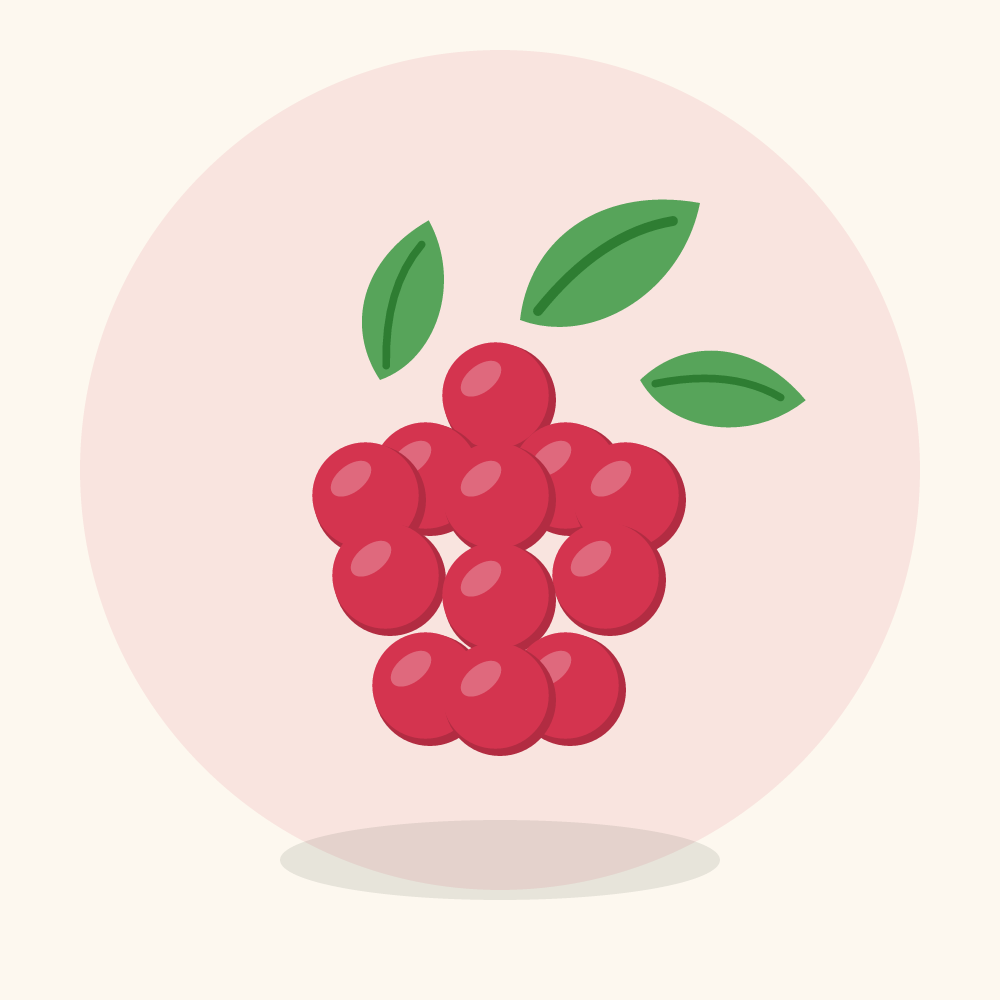
How do you eat kousa dogwood? Split the skin and eat the soft pulp, spitting out the seeds, or press the pulp through a sieve to separate it from skin and seeds for jam.
What does it taste like? Mild and sweet, with soft, rather mealy yellow-orange pulp inside a pink-red skin that is tougher than the flesh.
How to prepare & eat kousa dogwood
Split the skin and eat the soft pulp, spitting out the seeds, or press the pulp through a sieve to separate it from skin and seeds for jam.
Ways to eat & use it
- Eaten fresh, sucking the pulp out of the skin
- Pulp sieved free of skin and seeds for jams and fruit leather
Pairs well with cornelian cherry, persimmon, pawpaw.
What does kousa dogwood taste like?
Mild and sweet, with soft, rather mealy yellow-orange pulp inside a pink-red skin that is tougher than the flesh. The University of Illinois calls it edible but of little culinary value.
Sensory & practical profile
Taste fingerprint
- Sweetness
- Tartness
- Aroma
- Juiciness
- Firmness
Approximate, at peak ripeness · 0–5
- Ripe when
- The ball has turned from green to pink-red and comes away from the tree easily, in August to September.
- How to eat
- Split the skin and eat the soft pulp, spitting out the seeds, or press the pulp through a sieve to separate it from skin and seeds for jam.
Kousa is the Japanese name for the tree. What look like its four white petals are bracts that surround a small cluster of real flowers, and that cluster becomes the fruit: a ball of fused drupes that looks like a raspberry.
When it's in season, by region
| Region | Peak months |
|---|---|
| North America | Aug–Sep (garden trees) |
How to tell when kousa dogwood is ripe
The ball has turned from green to pink-red and comes away from the tree easily, in August to September.
How to store kousa dogwood
Eat within a day or two of picking. Fallen fruit ferments quickly on the ground and draws yellow jackets, so gather it promptly.
Kousa dogwood: frequently asked questions
What does kousa dogwood taste like?
Mild and sweet, with soft, rather mealy yellow-orange pulp inside a pink-red skin that is tougher than the flesh. The University of Illinois calls it edible but of little culinary value.
When is kousa dogwood in season?
Kousa dogwood is typically in season North America (Aug–Sep (garden trees)). Peak months shift between the northern and southern hemispheres.
How do you eat kousa dogwood?
Split the skin and eat the soft pulp, spitting out the seeds, or press the pulp through a sieve to separate it from skin and seeds for jam.
How do you know when kousa dogwood is ripe?
The ball has turned from green to pink-red and comes away from the tree easily, in August to September.
Is kousa dogwood good for you?
Kousa dogwood is mostly water with natural sugars, a little fibre, and assorted micronutrients — a hydrating everyday addition to your overall fruit intake rather than a standout for any one nutrient.
How much kousa dogwood should you eat?
A typical fruit serving is roughly a handful, one medium fruit, or about 80 g, and two or more varied fruit servings a day is a sensible everyday pattern.
See the full kousa dogwood profile — nutrition, season & more →