Fruits of East Asia

36 fruits

Every fruit in the encyclopedia grown significantly in East Asia — from market staples to regional treasures.

Apple illustration

Apple

The world's most cultivated temperate fruit — crisp, sweet-tart, endlessly varied across 7,500+ cultivars, and the keeper of the cold-storage crown that puts it on shelves year-round.

Apricot illustration

Apricot

The golden miniature of the stone-fruit family — musky, honeyed, and tragically fragile fresh, which is why the world knows it best dried. Central Asia's ancient orchard treasure.

Blackcurrant illustration

Blackcurrant

Europe's intense purple powerhouse — too tart and musky to snack raw, unbeatable as cordial, jam, and crème de cassis, with vitamin C levels that made it wartime Britain's citrus substitute.

Blueberry illustration

Blueberry

North America's berry gift to the world — sweet-mild, snackable, and the poster child of antioxidant research. Wild lowbush berries are tiny, intense, and worth the hunt.

Buddha's hand illustration

Buddha's hand

A citron that grows in eerie finger-like segments, all fragrant rind and pith with almost no flesh or juice — grown for its powerful perfume, its zest, and its role as a ceremonial offering.

Calamansi illustration

Calamansi

The Philippines' tiny, mighty citrus — a kumquat-lime hybrid the size of a ping-pong ball whose fragrant, complex sourness seasons everything from pancit to iced tea.

Cantaloupe illustration

Cantaloupe

The perfumed melon — netted skin, sunset-orange flesh, and a musky sweetness that gave "muskmelon" its name. At peak, it out-aromatizes nearly every fruit in the market; the smell test never lies.

Cherry illustration

Cherry

The fleeting jewel of early summer — glossy, snappy, and gone in weeks. Sweet cherries for the bowl, sour cherries for the pie, and a blossom season that stops whole nations to look up.

Gac illustration

Gac

A spiky crimson Southeast Asian gourd-fruit, mild in taste but extraordinary in color — its red seed membranes are among the richest natural sources of lycopene and beta-carotene known.

Grape illustration

Grape

Humanity's most consequential fruit — eight thousand years of wine, raisins, and table grapes from one vine species. Modern breeding turned it into nature's candy; fermentation turned it into civilization's drink.

Grapefruit illustration

Grapefruit

An 18th-century Caribbean accident — pomelo crossed with sweet orange — that became breakfast's most polarizing citrus: bitter, bracing, and beloved once your palate grows into it.

Honeydew illustration

Honeydew

The quiet melon — smooth ivory skin, pale jade flesh, and a clean, honeyed sweetness without cantaloupe's musk. Underrated because usually underripe; transcendent when allowed to finish.

Jujube illustration

Jujube

China's red date — crisp apple-snack when fresh, caramel-chewy "date" when dried, and a four-thousand-year fixture of Chinese kitchens, medicine chests, and wedding beds alike.

Kiwi illustration

Kiwi

A Chinese vine fruit rebranded by New Zealand into a global icon — emerald flesh, edible black seeds, dessert-bright acidity, and more vitamin C than an orange, gram for gram.

Kumquat illustration

Kumquat

The backwards citrus — you eat the sweet peel and wince at the sour flesh, whole and unpeeled, two bites at a time. A Lunar New Year icon and the boldest snack in the citrus family.

Lingonberry illustration

Lingonberry

The tart red jewel of the Nordic and boreal forests — small, firm, cranberry-like berries whose natural preservative acids let a simple stir of sugar keep them for a year.

Longan illustration

Longan

The "dragon's eye" — lychee's smaller, tan-shelled cousin with muskier honey flavor and a black seed staring from translucent flesh. Beloved fresh in summer, dried year-round in Chinese kitchens and teas.

Loquat illustration

Loquat

Spring''s first stone fruit impostor — an apricot-colored pome (apple family!) with juicy, floral sweet-tart flesh and big glossy seeds. A backyard giveaway across the subtropics, a cough-syrup icon in China.

Lychee illustration

Lychee

China's imperial berry — rose-scented, grape-fleshed, jade-seeded, and adored for two millennia. An emperor famously ran pony express relays just to deliver it fresh; one taste explains why.

Mandarin illustration

Mandarin

The easy-peeling, kid-friendly citrus — one of the three ancestral citrus species from which oranges, grapefruits, and most hybrids descend. Sweet, seedless modern types made it a lunchbox superpower.

Mulberry illustration

Mulberry

The silk tree's secret dessert — blackberry-lookalike fruit that stains fingers purple and never reaches supermarkets because it dissolves in transit. A backyard and market-stall treasure worldwide.

Nectarine illustration

Nectarine

Not a peach-plum cross — just a peach that lost its fuzz to a single recessive gene. Smoother, often firmer and tangier than its twin, with the same summer-stone-fruit soul.

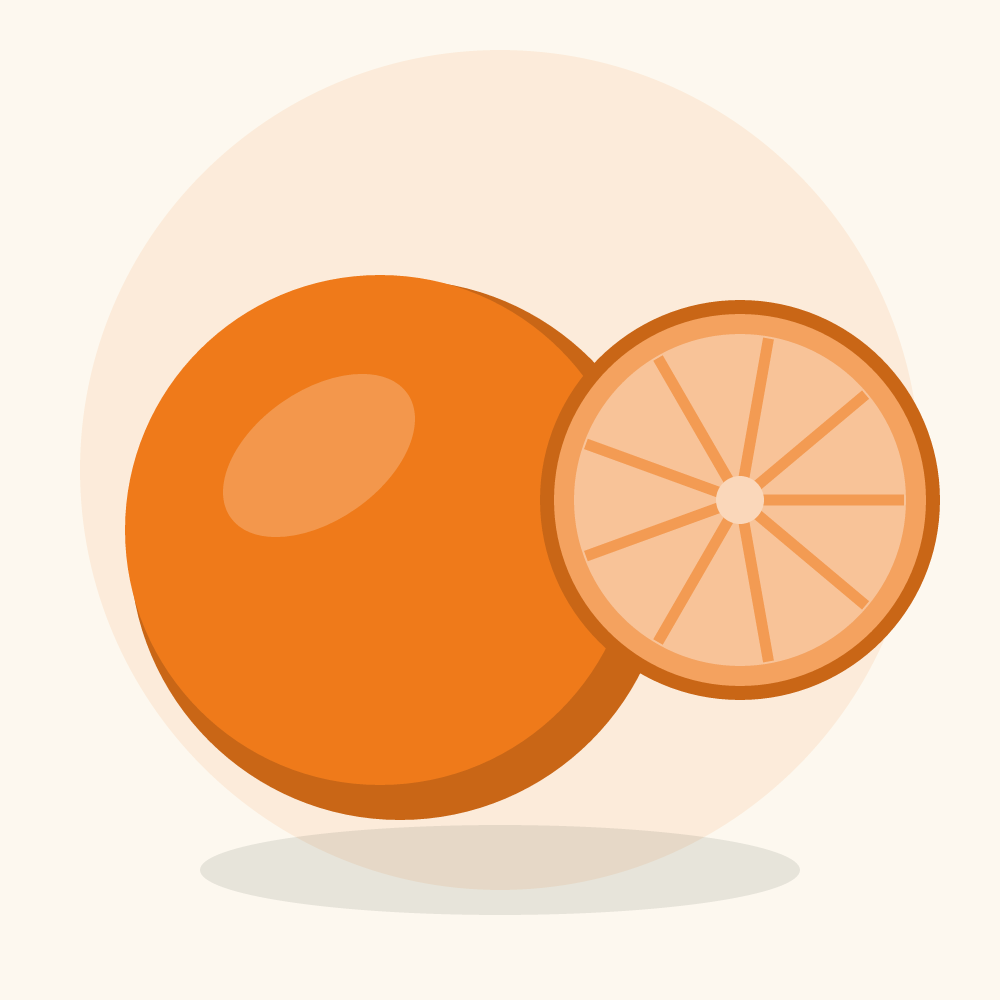
Orange illustration

Orange

The world's benchmark citrus — an ancient pomelo-mandarin hybrid whose name became a color and whose vitamin C reputation launched a juice industry. Navels for eating, Valencias for squeezing.

Peach illustration

Peach

Summer's velvet icon — a Chinese stone fruit of immortality myths, perfected into juice-down-your-arm ripeness. White peaches run floral and sweet; yellow ones balance sugar with a wine-like tang.

Pear illustration

Pear

The apple's silkier cousin — buttery, perfumed flesh that ripens from the inside out and rewards patience like few other fruits. Asian pears add a crisp, juicy alternate personality.

Pepino illustration

Pepino

A mild, mellow Andean fruit that looks like a purple-streaked golden egg and tastes like a cross between honeydew and cucumber — refreshing, low-sugar, and eaten like a melon.

Persimmon illustration

Persimmon

Autumn's lantern — a glowing orange fruit with two personalities: crisp, sweet Fuyu eaten like an apple, and Hachiya, an astringency bomb that transforms into apricot-honey custard when fully soft.

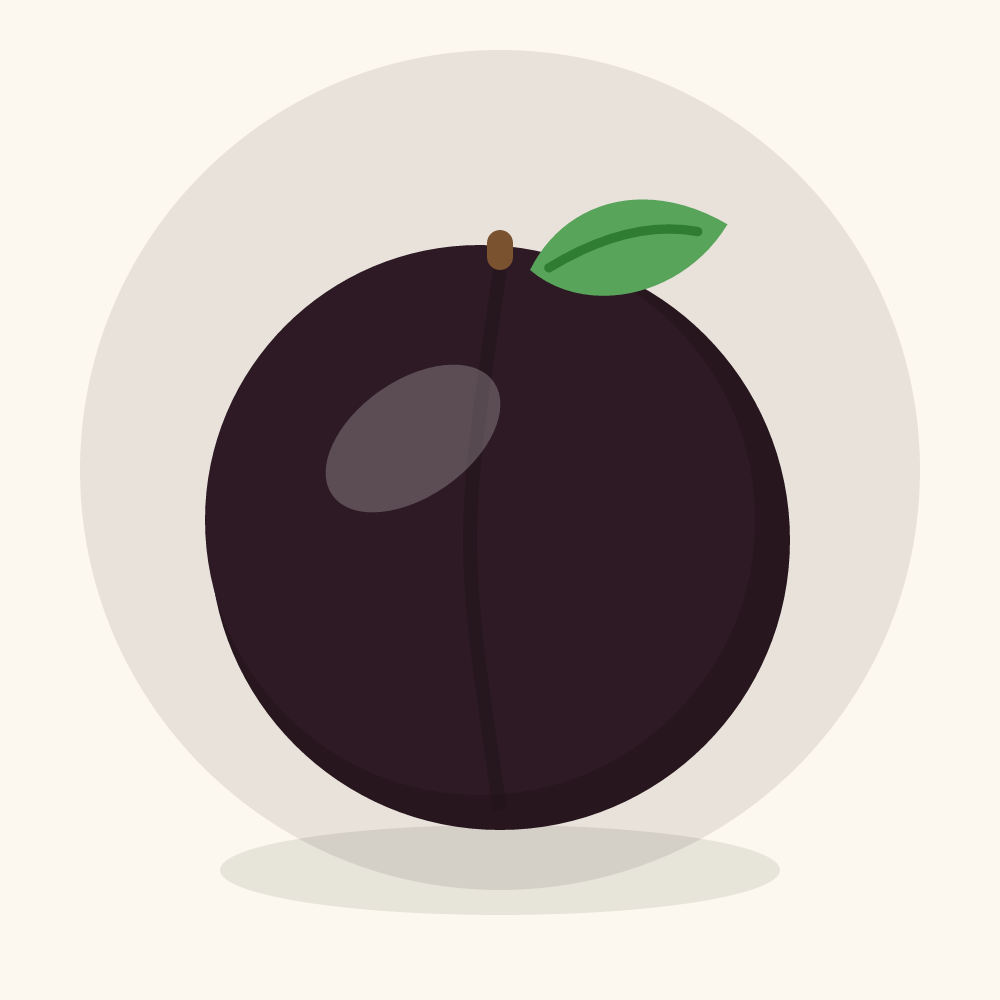
Plum illustration

Plum

The most varied stone fruit — from candy-sweet Japanese hybrids to honeyed greengages to tart damsons — plus a second life as the prune, the fruit world's most rehabilitated dried good.

Pomelo illustration

Pomelo

The largest citrus on earth and the wild ancestor of the grapefruit — thick-armored, gently sweet, and never bitter, with firm juice vesicles that snap like citrus caviar.

Raspberry illustration

Raspberry

The most perfumed berry — a hollow crown of drupelets with huge flavor, huge fiber, remarkably little sugar, and a shelf life measured in hours. Eat them the day you meet them.

Sea buckthorn illustration

Sea buckthorn

Vivid orange berries that cling in dense clusters to thorny coastal and mountain shrubs — bracingly sour, wildly nutritious, and rich in a rare fruit oil used for skin and health.

Strawberry illustration

Strawberry

The world's favorite berry — a rose-family hybrid whose seeds sit on the outside, whose peak-season perfume defines "fruity," and whose highland farms bring temperate sweetness to the tropics.

Tomato illustration

Tomato

Botanically a fruit, legally a vegetable (US Supreme Court, 1893), culturally indispensable — the Andean berry that conquered every cuisine on earth and became the world's most-grown "vegetable."

Watermelon illustration

Watermelon

Summer in fruit form — 92% water wrapped in a green rind, descended from the Kalahari Desert and perfected over 4,000 years into the world's juiciest thirst-quencher.

Yuzu illustration

Yuzu

East Asia's aromatic winter citrus — a knobbly, seed-heavy fruit prized not for eating but for a rind and juice whose perfume outclasses lemon, lime, and mandarin combined.

Combine with more filters →