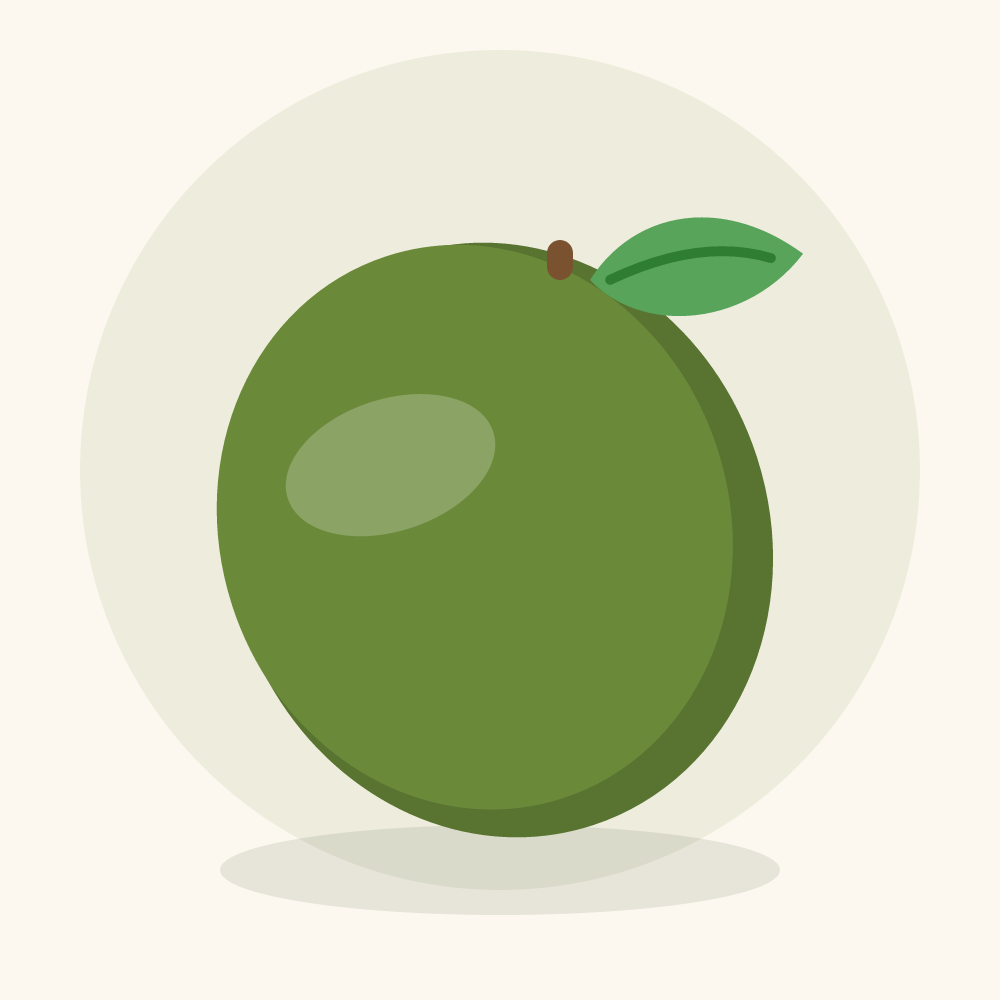
Kabosu
Citrus sphaerocarpa · Rutaceae · also known as Kabos
A round green Japanese seasoning citrus from Ōita Prefecture, used hard and green like sudachi but larger and rounder — its cool, aromatic juice squeezed over grilled fish, hot pot, and sashimi through autumn.

At a glance
- Taste
- Bracingly sour and fragrant, milder and rounder than sudachi with a cool, green, faintly floral aroma; used for juice and zest, never eaten as fruit.
- Origin
- Ōita Prefecture, Kyushu, Japan
- Grown in
- Japan
- Peak season
- Autumn
- Notable varieties
- Ōita standard
Sensory & practical profile
Taste fingerprint
- Sweetness
- Tartness
- Aroma
- Juiciness
- Firmness
Approximate, at peak ripeness · 0–5
- Ripe when
- Used hard and deep green, when the aromatic juice is at its best; yellowing means the perfume is fading.
- How to eat
- Never out of hand — halve and squeeze the cool, sour juice over fish, hot pot, and noodles, and grate the green zest for aroma.
- Typical price
- Everyday
Ōita Prefecture guards kabosu the way neighboring Tokushima guards sudachi — one prefecture grows nearly all of Japan's crop and puts the round green citrus at the center of its regional identity.
When it's in season, by region
| Region | Peak months |
|---|---|
| East Asia | Aug–Oct fresh (Ōita); greenhouse and frozen fruit extend the year |
How to select & store
Picking a ripe one
Choose small-to-medium, round, hard, deep-green fruit that is glossy and heavy for its size, with a strong green-citrus scent. Yellowing fruit is past its aromatic prime.
Storing it
Two to three weeks refrigerated in a bag. Freezes well whole or as juice cubes — the way many Japanese kitchens keep it past the short autumn season.
Practical uses
🍽️ Culinary
- Halved and squeezed over grilled fish, tempura, and sashimi
- The classic finishing citrus for hot pot (nabe) and ponzu
- Kabosu chuhai and cordials; a garnish for noodles
- Juice and zest in dressings and dipping sauces
🌿 Health & traditional
- Vitamin-C-rich; peel used in regional folk preparations
🎎 Cultural
- The symbol citrus of Ōita Prefecture, which grows the overwhelming majority of Japan's crop
- Autumn's seasoning citrus, arriving with grilled-fish season alongside its cousin sudachi
Eating kabosu: what to know
What regular consumption looks like
Kabosu is a nutritious everyday fruit, best enjoyed as part of a varied diet. It is a good source of vitamin C (about 42 mg per 100 g), supporting immune function and helping the body absorb iron from plant foods.
Sensible amounts
A typical fruit serving is roughly a handful, one medium fruit, or about 80 g, and two or more varied fruit servings a day is a sensible everyday pattern.
Evidence & conditions
As a whole fruit, Kabosu contributes fibre, vitamins, and beneficial plant compounds, but it has not been shown to treat or prevent any specific condition — so it is best enjoyed as part of a healthy diet rather than as a remedy.
Kabosu: frequently asked questions
What does kabosu taste like?
Bracingly sour and fragrant, milder and rounder than sudachi with a cool, green, faintly floral aroma; used for juice and zest, never eaten as fruit.
When is kabosu in season?
Kabosu is typically in season East Asia (Aug–Oct fresh (Ōita); greenhouse and frozen fruit extend the year). Peak months shift between the northern and southern hemispheres.
How do you eat kabosu?
Never out of hand — halve and squeeze the cool, sour juice over fish, hot pot, and noodles, and grate the green zest for aroma.
How do you know when kabosu is ripe?
Used hard and deep green, when the aromatic juice is at its best; yellowing means the perfume is fading.
Is kabosu good for you?
Kabosu is a nutritious everyday fruit, best enjoyed as part of a varied diet. It is a good source of vitamin C (about 42 mg per 100 g), supporting immune function and helping the body absorb iron from plant foods.
How much kabosu should you eat?
A typical fruit serving is roughly a handful, one medium fruit, or about 80 g, and two or more varied fruit servings a day is a sensible everyday pattern.
Japan keeps a whole bench of small sour citrus grown not to eat but to squeeze, and kabosu is Ōita Prefecture’s champion. Round, green, and used hard and unripe, it plays the same role as its famous cousin sudachi — a cool, aromatic hit of acid over autumn food — but comes larger, rounder, and a touch milder.
Ōita’s autumn squeeze
When grilled-fish season arrives, so does kabosu: a half squeezed over sanma or tempura, its juice finishing a bubbling hot pot, a few drops sharpening ponzu and dipping sauces. Nearly all of Japan’s crop grows in Ōita, which treats the fruit as a regional emblem the way Tokushima treats sudachi. Telling the seasoning-citrus family apart is a pleasant local puzzle — kabosu is round and tennis-ball sized, sudachi is small as a golf ball, and yuzu is knobbly and turns gold in winter — but all share the same job: aroma and acid, never sweetness, and never eaten as fruit.
If you like kabosu, try these



In season with kabosu

.jpg?width=800)