Dewberry
Rubus caesius · Rosaceae · also known as Dewberry, Southern dewberry, European dewberry
A trailing, ground-hugging cousin of the blackberry that ripens weeks earlier — soft, dark, dusty-blue berries gathered along fences and roadsides, especially across the American South where dewberry cobbler marks the start of berry season.
At a glance
- Taste
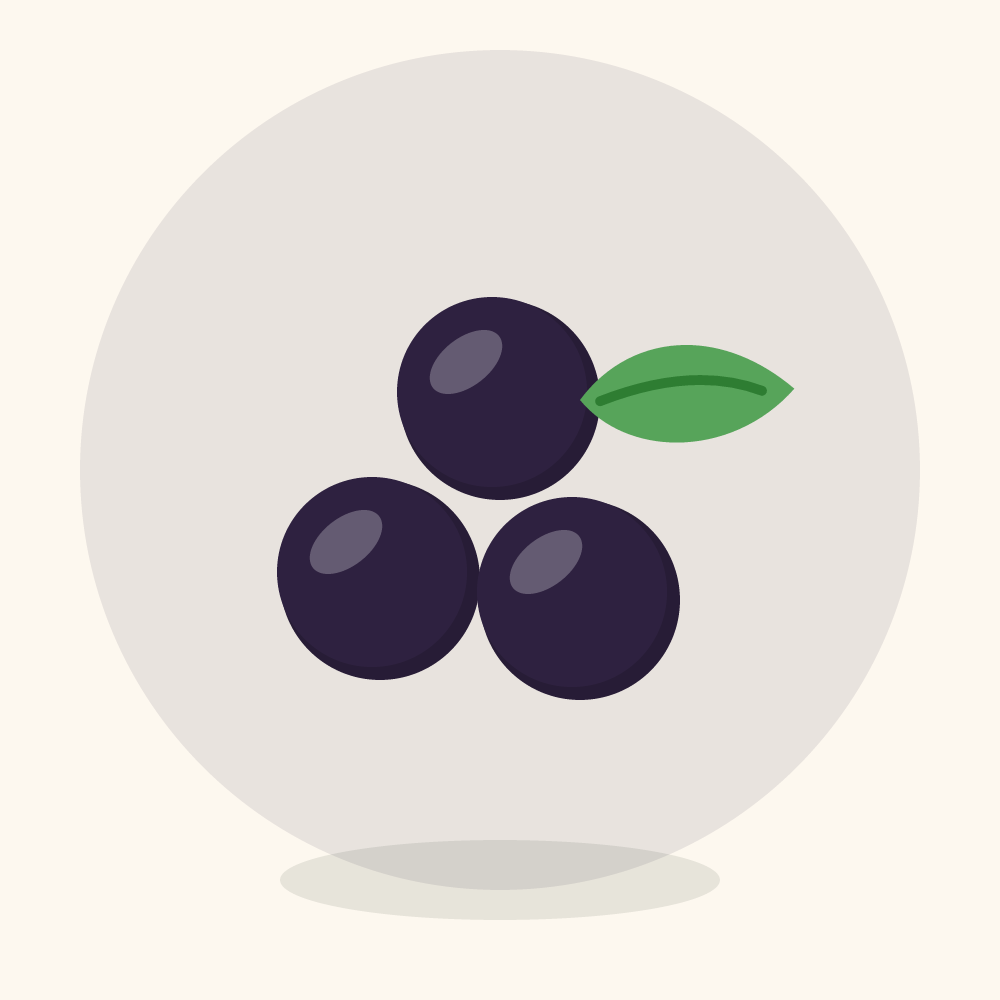
- Sweet-tart and juicy, much like a blackberry but often softer and slightly more acidic, with a bluish bloom; the trailing canes give smaller clusters than upright blackberries.
- Origin
- Europe and North America
- Grown in
- United States, United Kingdom, France, Germany
- Peak season
- Spring, Summer
- Notable varieties
- R. caesius (Europe), R. trivialis (US South)
Sensory & practical profile
Taste fingerprint
- Sweetness
- Tartness
- Aroma
- Juiciness
- Firmness
Approximate, at peak ripeness · 0–5
- Ripe when
- Deep dull black with a dusty blue bloom, soft, and releasing easily; red or shiny-black berries need more days.
- How to eat
- Eat fresh with cream, or bake into cobbler and cook into jam the same day; freeze the surplus.
- Typical price
- Budget
Dewberries trail along the ground instead of standing upright like blackberries, and they ripen weeks earlier — so in the American South, dewberry cobbler is the dish that announces berry season has begun.
When it's in season, by region
| Region | Peak months |
|---|---|
| North America | Apr–Jun (US South, ahead of blackberries) |
| Europe | Jul–Sep |
How to select & store
Picking a ripe one
Foraged from low trailing canes along fields and roadsides — choose deep, dull black berries with a dusty bloom that pull off easily; shiny red or purple berries are underripe and sour.
Storing it
A day or two refrigerated — soft and perishable. Best eaten, baked, or frozen the day they're picked.
Practical uses
🍽️ Culinary
- Dewberry cobbler and pie — an early-season Southern US tradition
- Jam, jelly, and syrup
- Fresh with cream, or over pancakes and yogurt
- Country wines and cordials
🌿 Health & traditional
- Leaves used in traditional bramble teas; antioxidant-rich fruit
🎎 Cultural
- In the American South, dewberries ripen weeks before blackberries, so dewberry cobbler signals the true start of berry season
- A classic roadside and field-edge forage on both sides of the Atlantic
Eating dewberry: what to know
What regular consumption looks like
Dewberry is a nutritious everyday fruit, best enjoyed as part of a varied diet. It is a good source of fibre (about 5 g per 100 g), which supports digestion and satiety. Its pigments and polyphenols are antioxidants that population studies associate with heart health, though that reflects overall diet rather than any single fruit.
Sensible amounts
A typical fruit serving is roughly a handful, one medium fruit, or about 80 g, and two or more varied fruit servings a day is a sensible everyday pattern.
Evidence & conditions
As a whole fruit, Dewberry contributes fibre, vitamins, and beneficial plant compounds, but it has not been shown to treat or prevent any specific condition — so it is best enjoyed as part of a healthy diet rather than as a remedy.
Dewberry: frequently asked questions
What does dewberry taste like?
Sweet-tart and juicy, much like a blackberry but often softer and slightly more acidic, with a bluish bloom; the trailing canes give smaller clusters than upright blackberries.
When is dewberry in season?
Dewberry is typically in season North America (Apr–Jun (US South, ahead of blackberries)); Europe (Jul–Sep). Peak months shift between the northern and southern hemispheres.
How do you eat dewberry?
Eat fresh with cream, or bake into cobbler and cook into jam the same day; freeze the surplus.
How do you know when dewberry is ripe?
Deep dull black with a dusty blue bloom, soft, and releasing easily; red or shiny-black berries need more days.
Is dewberry good for you?
Dewberry is a nutritious everyday fruit, best enjoyed as part of a varied diet. It is a good source of fibre (about 5 g per 100 g), which supports digestion and satiety. Its pigments and polyphenols are antioxidants that population studies associate with heart health, though that reflects overall diet rather than any single fruit.
How much dewberry should you eat?
A typical fruit serving is roughly a handful, one medium fruit, or about 80 g, and two or more varied fruit servings a day is a sensible everyday pattern.
The dewberry is the blackberry’s low-slung cousin — a trailing bramble that runs along the ground rather than standing upright, ripening its soft, dusty-blue berries weeks earlier. Along fences, field edges, and roadsides on both sides of the Atlantic, it’s a classic early forage.
First cobbler of the year
In the American South that early timing matters: dewberries come in ahead of the blackberries, so dewberry cobbler is the dish that announces berry season has truly begun. The fruit eats much like a blackberry — sweet-tart and juicy, often a touch softer and more acidic — and goes the same happy routes into pie, jam, jelly, syrup, and country wine, or simply onto pancakes with cream. Like all fine brambles it’s soft and perishable, best used the day it’s picked. Pick the deep, dull-black berries with a bloom; the shiny ones aren’t ready. For its upright and cultivated relatives, see the blackberry and marionberry.
If you like dewberry, try these


.jpg?width=800)
In season with dewberry

.jpg?width=800)