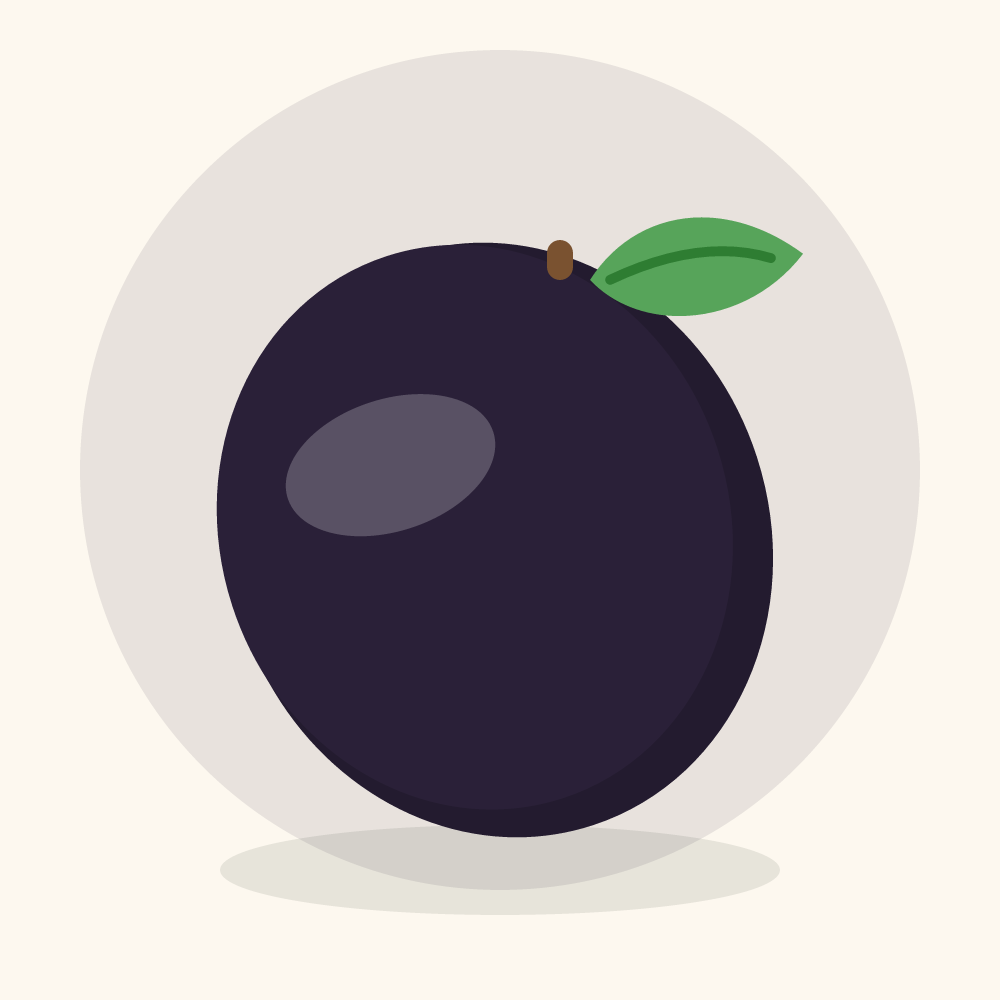
Khirni
Manilkara hexandra · Sapotaceae · also known as Rayan, Khirni, Ceylon iron wood, Palu
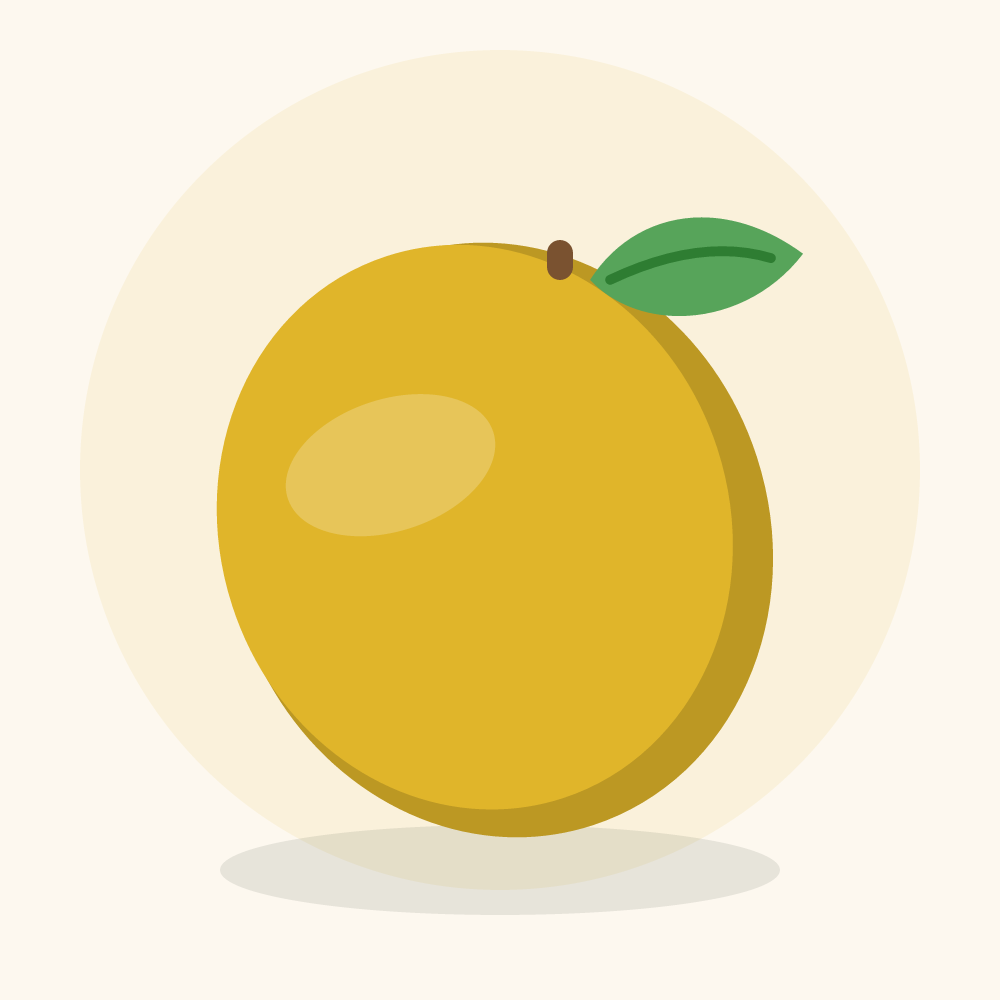
A tiny golden-yellow Indian fruit from a hardy relative of the sapodilla — sweet, soft, and honeyed with a hint of caramel, gathered from wild and temple trees across the dry subcontinent. A cherished, near-forgotten summer fruit of rural India and Sri Lanka.
At a glance
- Taste
- Sweet and honeyed with soft, translucent yellow flesh tasting of caramel and a faint sapodilla richness; the small fruit clings to one or two seeds and can be slightly latexy if underripe.
- Origin
- India and Sri Lanka
- Grown in
- India, Sri Lanka, Nepal
- Peak season
- Summer
Sensory & practical profile
Taste fingerprint
- Sweetness
- Tartness
- Aroma
- Juiciness
- Firmness
Approximate, at peak ripeness · 0–5
- Ripe when
- Fully golden-yellow and soft with a sweet honeyed smell; green fruit is latexy and astringent.
- How to eat
- Eat the sweet soft flesh fresh around the one or two seeds; avoid underripe fruit, which is latexy.
- Typical price
- Budget
The khirni tree yields one of the hardest timbers in Asia — Ceylon ironwood — and many are ancient trees in temple groves, so this tiny sweet fruit is often gathered beneath trees that have stood for centuries.
When it's in season, by region
| Region | Peak months |
|---|---|
| South Asia | Apr–Jun (India, Sri Lanka) |
How to select & store
Picking a ripe one
Choose fully golden-yellow, soft fruit that smells sweet; green fruit is latexy and astringent. It's small, so it's gathered by the handful, often from the ground.
Storing it
A few days once ripe — soft and perishable. Best eaten fresh soon after ripening; some is dried.
Practical uses
🍽️ Culinary
- Eaten fresh by the handful, a sweet summer snack around the seeds
- Occasionally dried or made into local sweets
🌿 Health & traditional
- Bark, seeds, and fruit used in Ayurvedic and Sri Lankan traditional medicine
🎎 Cultural
- A cherished rural and temple-grove fruit of the dry subcontinent, gathered in the hot season
- The tree yields extremely hard timber (Ceylon ironwood) and is often ancient and sacred
Eating khirni: what to know
What regular consumption looks like
Khirni is mostly water with natural sugars, a little fibre, and assorted micronutrients — a hydrating everyday addition to your overall fruit intake rather than a standout for any one nutrient.
Sensible amounts
A typical fruit serving is roughly a handful, one medium fruit, or about 80 g, and two or more varied fruit servings a day is a sensible everyday pattern. Because it is high in natural sugar, keep portions modest if you are watching blood sugar or weight — whole fruit's fibre softens the sugar hit, but juices and dried forms concentrate it and are easy to over-eat.
Evidence & conditions
As a whole fruit, Khirni contributes fibre, vitamins, and beneficial plant compounds, but it has not been shown to treat or prevent any specific condition — so it is best enjoyed as part of a healthy diet rather than as a remedy.
Khirni: frequently asked questions
What does khirni taste like?
Sweet and honeyed with soft, translucent yellow flesh tasting of caramel and a faint sapodilla richness; the small fruit clings to one or two seeds and can be slightly latexy if underripe.
When is khirni in season?
Khirni is typically in season South Asia (Apr–Jun (India, Sri Lanka)). Peak months shift between the northern and southern hemispheres.
How do you eat khirni?
Eat the sweet soft flesh fresh around the one or two seeds; avoid underripe fruit, which is latexy.
How do you know when khirni is ripe?
Fully golden-yellow and soft with a sweet honeyed smell; green fruit is latexy and astringent.
Is khirni good for you?
Khirni is mostly water with natural sugars, a little fibre, and assorted micronutrients — a hydrating everyday addition to your overall fruit intake rather than a standout for any one nutrient.
How much khirni should you eat?
A typical fruit serving is roughly a handful, one medium fruit, or about 80 g, and two or more varied fruit servings a day is a sensible everyday pattern. Because it is high in natural sugar, keep portions modest if you are watching blood sugar or weight — whole fruit's fibre softens the sugar hit, but juices and dried forms concentrate it and are easy to over-eat.
The khirni is a tiny sweet fruit with a big-tree pedigree. Golden-yellow and honeyed, tasting of caramel with a hint of sapodilla richness (to which it’s closely related), it’s a cherished summer fruit of the dry Indian subcontinent — gathered by the handful from wild groves, roadsides, and ancient temple trees.
A sweet fruit from an ironwood tree
The tree itself is remarkable: hardy, drought-defying, and yielding one of the hardest timbers in Asia, “Ceylon ironwood,” so many khirni trees are ancient and sacred, standing in temple groves for centuries. Their little fruit, ripening golden in the hot season, is eaten fresh around its seeds — soft, sweet, and honeyed, though latexy and astringent if picked underripe. A member of the sapodilla family (with the star apple and mamey), it shares their caramel-toned sweetness in miniature. Once a common rural treat, it has faded from modern markets, surviving as a nostalgic, near-forgotten fruit of the subcontinent’s summers — the kind of small, sweet thing that older generations remember gathering as children beneath a great, ancient tree.
If you like khirni, try these
.jpg?width=900)
.jpg?width=800)
In season with khirni

.jpg?width=800)