Ash gourd
Benincasa hispida · Cucurbitaceae · also known as Winter melon, Wax gourd, White gourd, Petha, Tunga
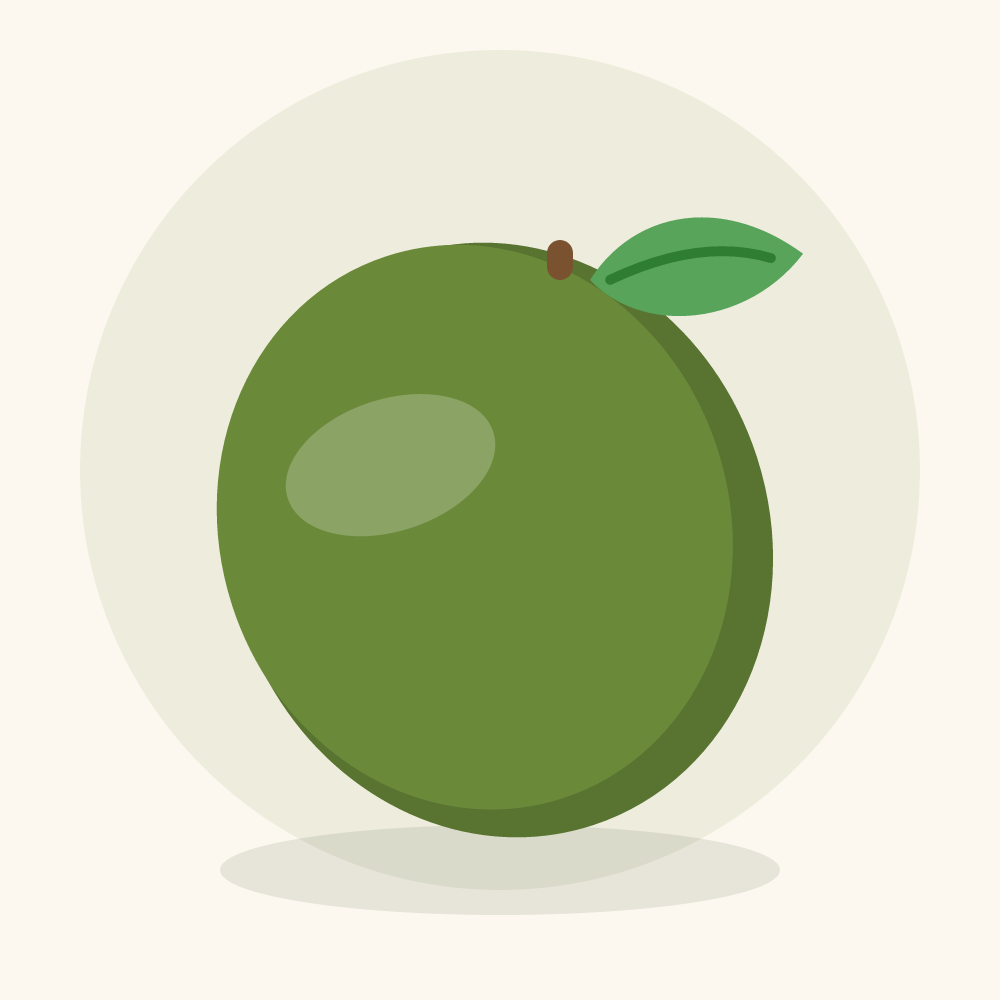
A giant, pale-green gourd coated in a chalky white wax that lets it keep for months — mild and cooling, made into winter-melon soup across East Asia and the translucent candy petha in India. A cucurbit valued as much for medicine and keeping as for flavor.

At a glance
- Taste
- Very mild and faintly sweet with a soft, translucent, watery flesh when cooked; almost flavorless raw, it absorbs broths and syrups, becoming silky in soup or candied into chewy-crisp sweets.
- Origin
- South and Southeast Asia
- Grown in
- India, China, Vietnam, Thailand, Philippines
- Peak season
- Autumn, Winter
Sensory & practical profile
Taste fingerprint
- Sweetness
- Tartness
- Aroma
- Juiciness
- Firmness
Approximate, at peak ripeness · 0–5
- Ripe when
- Mature when large with firm pale-green skin and a chalky white wax bloom; that wax marks a fruit that will keep for months.
- How to eat
- Peel and cook it — silky in clear winter-melon soup, in curries, or candied into petha; also juiced raw as an Ayurvedic tonic.
- Typical price
- Budget
The waxy white bloom on a mature ash gourd is natural, and it's the secret to its months-long shelf life — a genuine "winter melon" that stored fresh vegetables through the lean season long before refrigeration.
When it's in season, by region
| Region | Peak months |
|---|---|
| South Asia | Harvested mainly in the cool season; stores for months |
How to select & store
Picking a ripe one
Choose a heavy gourd with firm, pale-green skin and a chalky white bloom (on mature fruit); no soft spots. Sold whole or in large cut wedges. Mature waxy fruit keeps far longer than young green ones.
Storing it
A whole mature ash gourd keeps for months in a cool, dry place thanks to its waxy skin — one of the longest-keeping vegetables-fruits there is. Refrigerate cut pieces and use within days.
Practical uses
🍽️ Culinary
- Winter-melon soup — the classic East Asian clear soup, sometimes steamed in the whole gourd
- Petha — the translucent candied ash-gourd sweet of Agra, India
- Curries, stir-fries, and dals across South and Southeast Asia
- Ash gourd juice, a popular Ayurvedic health drink
🌿 Health & traditional
- A revered cooling, calming food in Ayurveda; the juice taken for the stomach and as a tonic
- Used in traditional Chinese medicine as a cooling diuretic
🎎 Cultural
- Central to Agra's famous petha sweets and to East Asian banquet soups
- Its long keeping made it a vital vegetable through the lean months
Eating ash gourd: what to know
What regular consumption looks like
Ash gourd is mostly water with natural sugars, a little fibre, and assorted micronutrients — a hydrating everyday addition to your overall fruit intake rather than a standout for any one nutrient.
Sensible amounts
A typical fruit serving is roughly a handful, one medium fruit, or about 80 g, and two or more varied fruit servings a day is a sensible everyday pattern.
Evidence & conditions
As a whole fruit, Ash gourd contributes fibre, vitamins, and beneficial plant compounds, but it has not been shown to treat or prevent any specific condition — so it is best enjoyed as part of a healthy diet rather than as a remedy.
Ash gourd: frequently asked questions
What does ash gourd taste like?
Very mild and faintly sweet with a soft, translucent, watery flesh when cooked; almost flavorless raw, it absorbs broths and syrups, becoming silky in soup or candied into chewy-crisp sweets.
When is ash gourd in season?
Ash gourd is typically in season South Asia (Harvested mainly in the cool season; stores for months). Peak months shift between the northern and southern hemispheres.
How do you eat ash gourd?
Peel and cook it — silky in clear winter-melon soup, in curries, or candied into petha; also juiced raw as an Ayurvedic tonic.
How do you know when ash gourd is ripe?
Mature when large with firm pale-green skin and a chalky white wax bloom; that wax marks a fruit that will keep for months.
Is ash gourd good for you?
Ash gourd is mostly water with natural sugars, a little fibre, and assorted micronutrients — a hydrating everyday addition to your overall fruit intake rather than a standout for any one nutrient.
How much ash gourd should you eat?
A typical fruit serving is roughly a handful, one medium fruit, or about 80 g, and two or more varied fruit servings a day is a sensible everyday pattern.
The ash gourd is a fruit built to last. A giant pale-green gourd coated in a chalky white wax, it can keep for months without refrigeration — which is exactly why it’s called “winter melon,” a fresh vegetable-fruit that stored through the lean season long before cold storage existed.
Mild flavor, many lives
Its flesh is almost flavorless raw — soft, watery, faintly sweet — and that blankness is its virtue. In East Asia it becomes the silky, cooling clear soup called winter-melon soup, sometimes steamed and served inside the whole hollowed gourd at banquets. In India, the same mild flesh is transformed into petha, the famous translucent candied sweet of Agra, and cooked into countless curries and dals; its juice is a popular Ayurvedic health tonic. Across both traditions, the ash gourd is revered as a cooling, calming, medicinal food. Extraordinarily low in calories and mostly water, it’s a fruit prized less for taste than for what it does — keeping, cooling, and quietly carrying the flavors of whatever it’s cooked with. A cucurbit cousin of the bitter melon and chayote, it’s one of Asia’s most useful and enduring garden fruits.
If you like ash gourd, try these




In season with ash gourd

.jpg?width=800)
.jpg?width=800)