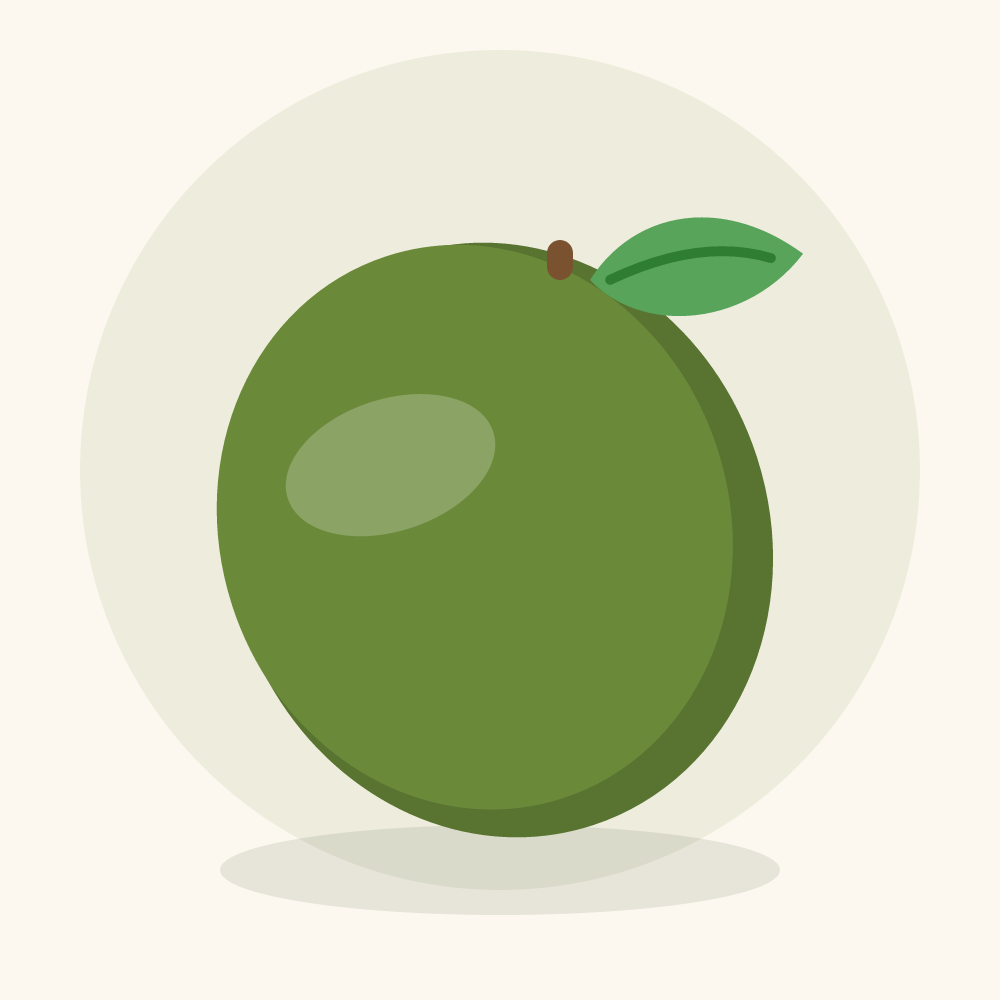
Casaba melon
Cucumis melo (Inodorus Group) · Cucurbitaceae · also known as Casaba, Winter melon, Kasaba
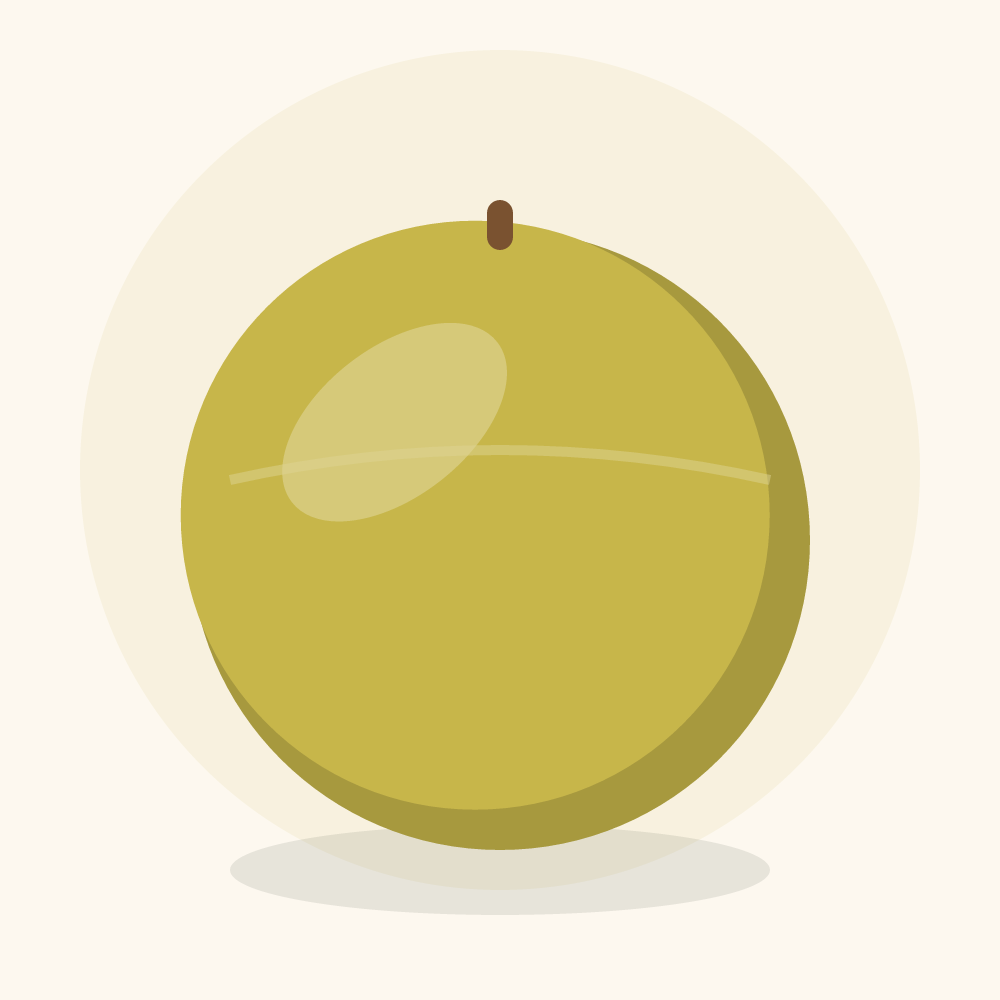
A wrinkled, golden, teardrop-shaped winter melon with pale, mild, cucumber-sweet flesh and — unusually — almost no aroma. A long-keeping melon from Anatolia that ripens late and stores into winter, when other melons are long gone.
At a glance
- Taste
- Mild, gently sweet, and refreshing, with crisp-to-soft pale flesh and a cucumber-honeydew character; notably lacking the strong perfume of a cantaloupe, which is the "inodorus" (scentless) group's trait.
- Origin
- Anatolia and the Middle East (named for Kasaba, Turkey)
- Grown in
- Turkey, United States, Iran, Spain
- Peak season
- Autumn
Sensory & practical profile
Taste fingerprint
- Sweetness
- Tartness
- Aroma
- Juiciness
- Firmness
Approximate, at peak ripeness · 0–5
- Ripe when
- Skin deeply wrinkled and golden with a slightly soft blossom end — but don't wait for fragrance, as this melon barely has any.
- How to eat
- Chill and slice into wedges; its mild, cucumber-sweet flesh is refreshing and pairs well with cured meats.
- Typical price
- Budget
The casaba belongs to the melon's "inodorus" (odorless) group — so unlike a cantaloupe, a perfectly ripe one gives off almost no smell, which fools shoppers into thinking it isn't ready.
When it's in season, by region
| Region | Peak months |
|---|---|
| North America | Sep–Nov (a late-season keeper) |
How to select & store
Picking a ripe one
Choose a heavy melon with deeply wrinkled golden skin and a slightly soft blossom end; unlike a cantaloupe, it won't smell fragrant even when ripe, so go by weight and give.
Storing it
A standout keeper — several weeks in a cool place, and it ripens after harvest, which is why it's a winter melon. Refrigerate cut fruit and use within days.
Practical uses
🍽️ Culinary
- Eaten fresh and chilled, sliced into wedges
- Fruit salads and cold soups, where its mildness suits
- Juiced, or paired with cured meats like other melons
- Sorbets and agua fresca
🌿 Health & traditional
- Hydrating and light; a traditional cooling summer-into-autumn food
🎎 Cultural
- Named for the town of Kasaba (Turgutlu) in Turkey, from where it spread west
- The classic late-season "winter melon" of American and Mediterranean markets
Eating casaba melon: what to know
What regular consumption looks like
Casaba melon is mostly water with natural sugars, a little fibre, and assorted micronutrients — a hydrating everyday addition to your overall fruit intake rather than a standout for any one nutrient.
Sensible amounts
A typical fruit serving is roughly a handful, one medium fruit, or about 80 g, and two or more varied fruit servings a day is a sensible everyday pattern.
Evidence & conditions
As a whole fruit, Casaba melon contributes fibre, vitamins, and beneficial plant compounds, but it has not been shown to treat or prevent any specific condition — so it is best enjoyed as part of a healthy diet rather than as a remedy.
Casaba melon: frequently asked questions
What does casaba melon taste like?
Mild, gently sweet, and refreshing, with crisp-to-soft pale flesh and a cucumber-honeydew character; notably lacking the strong perfume of a cantaloupe, which is the "inodorus" (scentless) group's trait.
When is casaba melon in season?
Casaba melon is typically in season North America (Sep–Nov (a late-season keeper)). Peak months shift between the northern and southern hemispheres.
How do you eat casaba melon?
Chill and slice into wedges; its mild, cucumber-sweet flesh is refreshing and pairs well with cured meats.
How do you know when casaba melon is ripe?
Skin deeply wrinkled and golden with a slightly soft blossom end — but don't wait for fragrance, as this melon barely has any.
Is casaba melon good for you?
Casaba melon is mostly water with natural sugars, a little fibre, and assorted micronutrients — a hydrating everyday addition to your overall fruit intake rather than a standout for any one nutrient.
How much casaba melon should you eat?
A typical fruit serving is roughly a handful, one medium fruit, or about 80 g, and two or more varied fruit servings a day is a sensible everyday pattern.
The casaba is the melon that keeps its cool — and its calendar. A wrinkled, golden, teardrop-shaped winter melon from Anatolia (named for the Turkish town of Kasaba), it ripens late, stores for weeks, and shows up in markets when the aromatic summer melons are long gone.
The scentless melon
Casaba belongs to the melon’s inodorus, or “odorless,” group, and that’s its defining quirk: even perfectly ripe, it gives off almost no fragrance, which regularly fools shoppers into thinking it isn’t ready. Judge it instead by weight, a deeply wrinkled skin, and a slightly soft blossom end. The reward is pale, mild, gently sweet flesh with a cucumber-honeydew freshness — refreshing rather than perfumed, and lovely chilled, in fruit salads and cold soups, or wrapped with cured meats like a honeydew. Its real virtue is keeping: a good casaba holds for weeks and even ripens after harvest, making it the dependable winter melon when the season for scent has passed. For its bright-yellow cousin, see the canary melon.
If you like casaba melon, try these

In season with casaba melon

.jpg?width=800)