How to eat mube
How to eat mube, what it tastes like, and how to tell when it's ripe — a practical guide with Mube's flavour, prep, and storage.
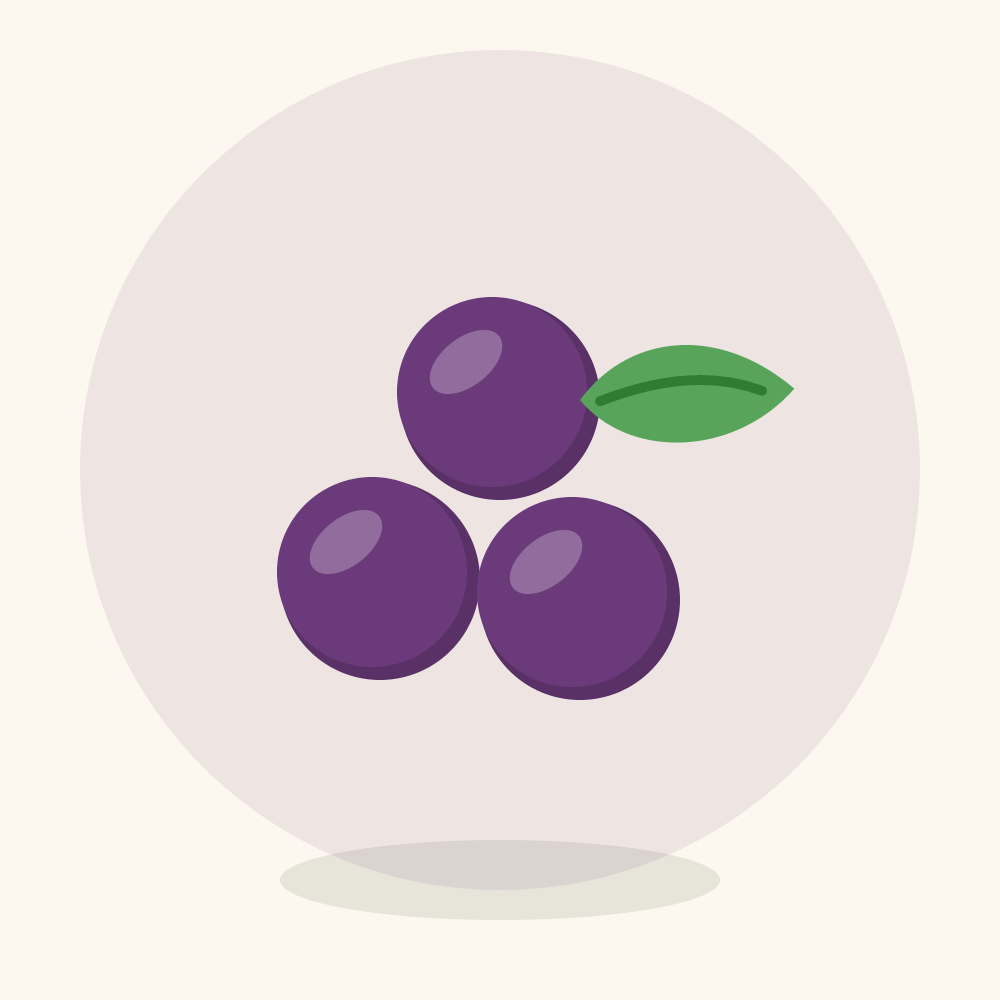
How do you eat mube? Cut or tear the thick rind and scoop the sweet jelly-like pulp, spitting the many seeds.
What does it taste like? Sweet and mild with soft, translucent, jelly-like pulp tasting faintly of melon and lychee; gentler and sweeter than akebi, with many seeds and a thick purple rind that stays closed.
How to prepare & eat mube
Cut or tear the thick rind and scoop the sweet jelly-like pulp, spitting the many seeds.
Ways to eat & use it
- Pulp scooped and eaten fresh, seeds spat out
- Made into jams, wines, and drinks
- Occasionally used decoratively for its handsome purple fruit
Pairs well with akebi, passion fruit, longan.
What does mube taste like?
Sweet and mild with soft, translucent, jelly-like pulp tasting faintly of melon and lychee; gentler and sweeter than akebi, with many seeds and a thick purple rind that stays closed.
Sensory & practical profile
Taste fingerprint
- Sweetness
- Tartness
- Aroma
- Juiciness
- Firmness
Approximate, at peak ripeness · 0–5
- Ripe when
- Fully purple and slightly soft — but note it does NOT split open like akebi, so go by color and give, not a gaping seam.
- How to eat
- Cut or tear the thick rind and scoop the sweet jelly-like pulp, spitting the many seeds.
- Typical price
- Premium
Mube was once a tribute fruit sent to the Japanese emperor — and unlike its cousin akebi, which unzips itself when ripe, mube keeps its thick purple rind sealed, so you have to open it yourself.
When it's in season, by region
| Region | Peak months |
|---|---|
| East Asia | Oct–Nov (Japan, China) |
How to tell when mube is ripe
Fully purple and slightly soft — but note it does NOT split open like akebi, so go by color and give, not a gaping seam.
How to store mube
A few days at room temperature once ripe. Best eaten fresh soon after; the pulp is delicate and the season short.
Mube: frequently asked questions
What does mube taste like?
Sweet and mild with soft, translucent, jelly-like pulp tasting faintly of melon and lychee; gentler and sweeter than akebi, with many seeds and a thick purple rind that stays closed.
When is mube in season?
Mube is typically in season East Asia (Oct–Nov (Japan, China)). Peak months shift between the northern and southern hemispheres.
How do you eat mube?
Cut or tear the thick rind and scoop the sweet jelly-like pulp, spitting the many seeds.
How do you know when mube is ripe?
Fully purple and slightly soft — but note it does NOT split open like akebi, so go by color and give, not a gaping seam.
Is mube good for you?
Mube is mostly water with natural sugars, a little fibre, and assorted micronutrients — a hydrating everyday addition to your overall fruit intake rather than a standout for any one nutrient.
How much mube should you eat?
A typical fruit serving is roughly a handful, one medium fruit, or about 80 g, and two or more varied fruit servings a day is a sensible everyday pattern.