Teaberry
Gaultheria procumbens · Ericaceae · also known as Wintergreen, Checkerberry, Eastern teaberry, Boxberry
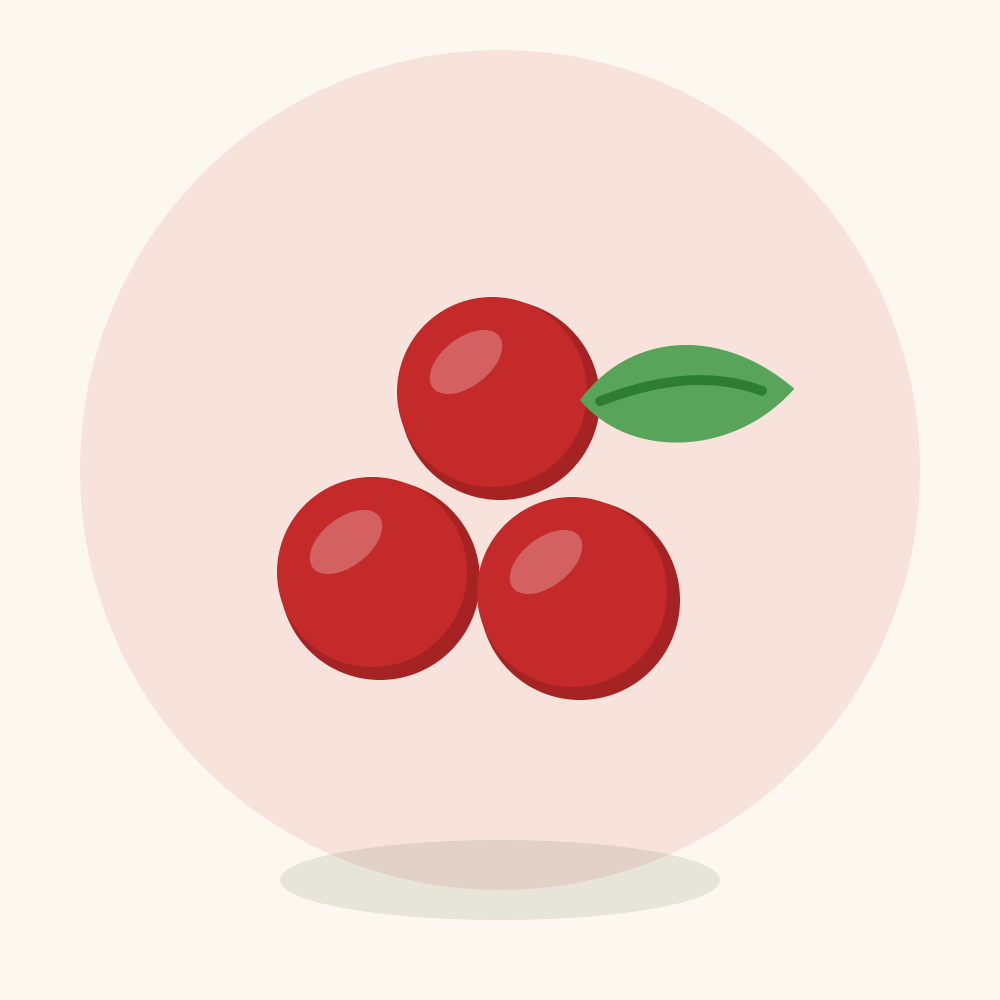
A small, bright-red berry of a low woodland groundcover in eastern North America — crisp and mild with an unmistakable minty wintergreen flavor. The original source of "teaberry" ice cream and gum, and a traditional forest nibble that persists all winter under the snow.
At a glance
- Taste
- Crisp and mildly sweet with a strong, cool, minty wintergreen flavor (from methyl salicylate); the red berries are firm and refreshing, tasting exactly like old-fashioned teaberry gum.
- Origin
- Eastern North America
- Grown in
- United States, Canada
- Peak season
- Autumn, Winter
Sensory & practical profile
Taste fingerprint
- Sweetness
- Tartness
- Aroma
- Juiciness
- Firmness
Approximate, at peak ripeness · 0–5
- Ripe when
- Bright red and firm; the berries ripen in autumn and persist all winter, so they can be gathered even from under the snow.
- How to eat
- Eat the crisp minty berries fresh (a great winter trail nibble), brew the leaves as tea, or use for teaberry flavoring.
- Typical price
- Budget
That distinctive "teaberry" flavor of old-fashioned gum and Pennsylvania-Dutch ice cream comes straight from this little woodland berry — and because the fruit hangs on all winter, it's one of the few fresh wild treats you can pick from under the snow.
When it's in season, by region
| Region | Peak months |
|---|---|
| North America | Sep through winter (persists under snow) |
How to select & store
Picking a ripe one
Foraged from shady woodland groundcover — choose firm, bright-red berries; they persist through autumn and winter, so they can be gathered even under snow. The minty smell when crushed confirms it.
Storing it
The firm berries keep a week or more and hold on the plant all winter. Eat fresh, brew the leaves as tea, or use in flavoring.
Practical uses
🍽️ Culinary
- Eaten fresh as a minty woodland nibble, especially in winter
- Teaberry ice cream and gum — a nostalgic Pennsylvania-Dutch and Appalachian flavor
- Leaves brewed into a minty wintergreen tea
- A natural flavoring for drinks and sweets
🌿 Health & traditional
- Traditionally used as a pain reliever and for aches (the methyl salicylate is aspirin-related — use in moderation)
- A refreshing tea and folk remedy of eastern North America
🎎 Cultural
- The source of "teaberry" flavor, beloved in classic American gum and ice cream
- A traditional food and medicine of eastern Woodland Indigenous peoples
Eating teaberry: what to know
What regular consumption looks like
Teaberry is a nutritious everyday fruit, best enjoyed as part of a varied diet. It is a good source of fibre (about 3 g per 100 g), which supports digestion and satiety.
Sensible amounts
A typical fruit serving is roughly a handful, one medium fruit, or about 80 g, and two or more varied fruit servings a day is a sensible everyday pattern.
Evidence & conditions
As a whole fruit, Teaberry contributes fibre, vitamins, and beneficial plant compounds, but it has not been shown to treat or prevent any specific condition — so it is best enjoyed as part of a healthy diet rather than as a remedy.
Teaberry: frequently asked questions
What does teaberry taste like?
Crisp and mildly sweet with a strong, cool, minty wintergreen flavor (from methyl salicylate); the red berries are firm and refreshing, tasting exactly like old-fashioned teaberry gum.
When is teaberry in season?
Teaberry is typically in season North America (Sep through winter (persists under snow)). Peak months shift between the northern and southern hemispheres.
How do you eat teaberry?
Eat the crisp minty berries fresh (a great winter trail nibble), brew the leaves as tea, or use for teaberry flavoring.
How do you know when teaberry is ripe?
Bright red and firm; the berries ripen in autumn and persist all winter, so they can be gathered even from under the snow.
Is teaberry good for you?
Teaberry is a nutritious everyday fruit, best enjoyed as part of a varied diet. It is a good source of fibre (about 3 g per 100 g), which supports digestion and satiety.
How much teaberry should you eat?
A typical fruit serving is roughly a handful, one medium fruit, or about 80 g, and two or more varied fruit servings a day is a sensible everyday pattern.
Crush a teaberry between your fingers in an eastern North American woodland and the smell is instantly familiar: cool, minty wintergreen, the exact flavor of old-fashioned teaberry gum and Pennsylvania-Dutch ice cream. This low, glossy groundcover plant is where that flavor comes from.
A minty berry for winter
The bright-red berries are crisp and mildly sweet, carrying their signature wintergreen taste from methyl salicylate (an aspirin-related compound, pleasant in the small amounts a nibble provides). Best of all, they persist on the plant through autumn and deep into winter, holding under the snow — making the teaberry one of the very few fresh wild treats you can gather in the cold months, a welcome minty burst on a winter walk. The leaves brew into a refreshing wintergreen tea, long used as both drink and folk pain remedy by eastern Woodland Indigenous peoples, and the berries flavor sweets and drinks. A cheerful, aromatic little fruit of the forest floor, the teaberry proves that some of the most distinctive flavors come from the humblest plants — in this case, a glossy groundcover most hikers step right over. For fellow woodland berries, see salal and huckleberry.
If you like teaberry, try these
.jpg?width=800)


In season with teaberry

.jpg?width=800)
.jpg?width=800)