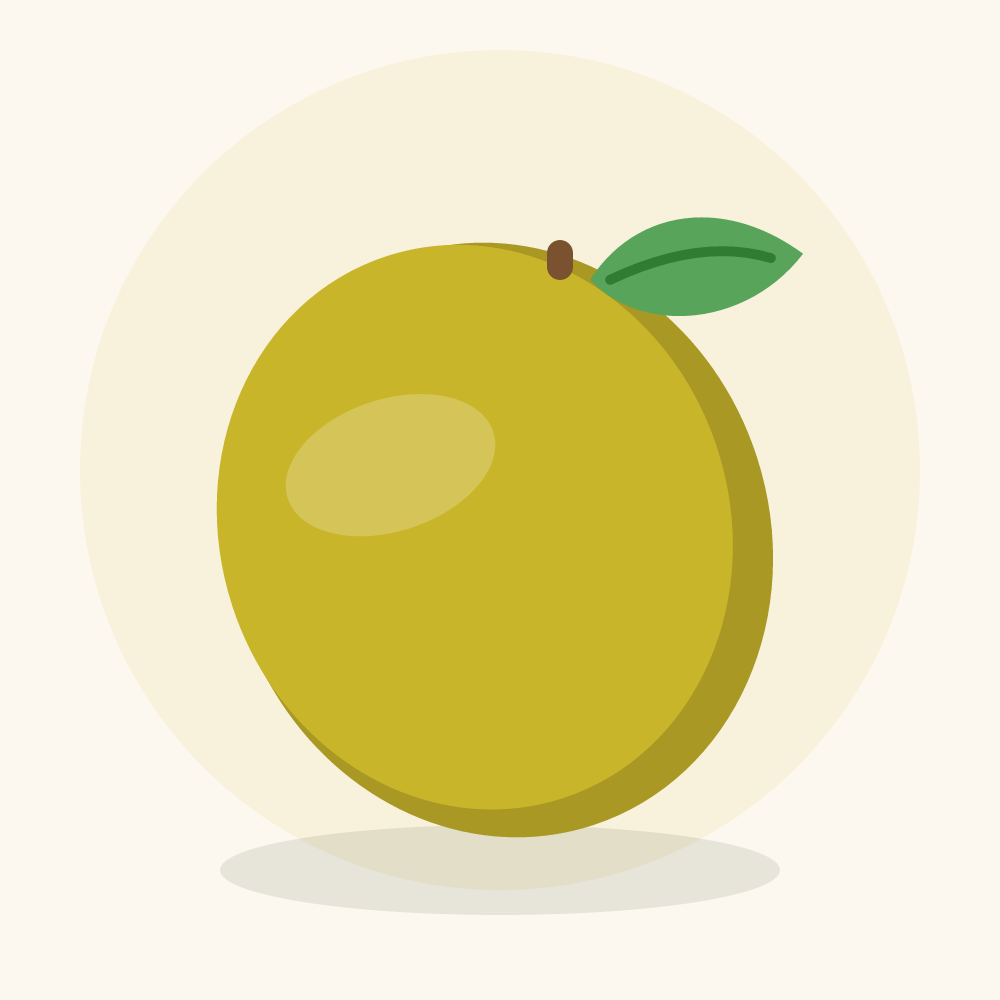
Spaghetti squash
Cucurbita pepo · Cucurbitaceae · also known as Vegetable spaghetti, Noodle squash, Squash spaghetti, Kinshi uri
The squash that falls apart into strands. Roast it and the flesh separates into pale, noodle-like threads on its own — a genuine botanical oddity that made it the default low-carbohydrate pasta substitute.

At a glance
- Taste
- Very mild, faintly sweet and nutty, with a distinct al dente bite the strands keep even when fully cooked. Considerably less sweet and less dense than other winter squash, which is why it takes sauce so well.
- Origin
- The species is Mesoamerican; the spaghetti type was developed in the 20th century and popularised in Japan and North America
- Grown in
- United States, Japan, Canada, China, United Kingdom
- Peak season
- Autumn, Winter
- Notable varieties
- Small Wonder, Orangetti, Tivoli, Stripetti
Sensory & practical profile
Taste fingerprint
- Sweetness
- Tartness
- Aroma
- Juiciness
- Firmness
Approximate, at peak ripeness · 0–5
- Ripe when
- Evenly pale yellow, hard and dull with a dry stem. Green patches mean it is underripe and the flesh will not strand properly; a deep orange fruit is over-mature and cooks to mush.
- How to eat
- Halve it lengthwise for long strands or crosswise into rings for even longer ones, scoop the seeds, and roast cut-side down. Drag a fork through the cooked flesh and it separates itself.
- Typical price
- Budget
Cutting it crosswise into rings gives noticeably longer strands than halving it lengthwise — the fibres run around the fruit's circumference, not along its length, so most people cut it the wrong way.
When it's in season, by region
| Region | Peak months |
|---|---|
| North America | Sep–Jan |
| East Asia | Summer into autumn in Japan, where it is called kinshi uri |
How to select & store
Picking a ripe one
Choose a hard, dull, evenly pale-yellow squash that feels heavy for its size, with a dry stem. Green tinges mean underripe and the strands will not separate properly; deep orange means over-mature and the strands go mushy.
Storing it
About a month in a cool, dry place — it keeps less well than butternut. Do not refrigerate whole. Cooked strands keep four to five days in the fridge and freeze reasonably well.
Practical uses
🍽️ Culinary
- Roasted and forked into strands, served like pasta with sauce
- Tossed with olive oil, garlic and parmesan as a side
- Baked back into its own shell with cheese
- Used cold in salads, where the strands hold their bite
🌿 Health & traditional
- A low-carbohydrate, low-calorie substitute for pasta; no specific traditional medicinal role
🎎 Cultural
- Known in Japan as kinshi uri, 'golden thread melon', where it has been grown since the early 20th century
- Became a staple of low-carbohydrate cooking in the West from the 1970s onwards
Eating spaghetti squash: what to know
What regular consumption looks like
Spaghetti squash is mostly water with natural sugars, a little fibre, and assorted micronutrients — a hydrating everyday addition to your overall fruit intake rather than a standout for any one nutrient.
Sensible amounts
A typical fruit serving is roughly a handful, one medium fruit, or about 80 g, and two or more varied fruit servings a day is a sensible everyday pattern.
Evidence & conditions
As a whole fruit, Spaghetti squash contributes fibre, vitamins, and beneficial plant compounds, but it has not been shown to treat or prevent any specific condition — so it is best enjoyed as part of a healthy diet rather than as a remedy.
Spaghetti squash: frequently asked questions
What does spaghetti squash taste like?
Very mild, faintly sweet and nutty, with a distinct al dente bite the strands keep even when fully cooked. Considerably less sweet and less dense than other winter squash, which is why it takes sauce so well.
When is spaghetti squash in season?
Spaghetti squash is typically in season North America (Sep–Jan); East Asia (Summer into autumn in Japan, where it is called kinshi uri). Peak months shift between the northern and southern hemispheres.
How do you eat spaghetti squash?
Halve it lengthwise for long strands or crosswise into rings for even longer ones, scoop the seeds, and roast cut-side down. Drag a fork through the cooked flesh and it separates itself.
How do you know when spaghetti squash is ripe?
Evenly pale yellow, hard and dull with a dry stem. Green patches mean it is underripe and the flesh will not strand properly; a deep orange fruit is over-mature and cooks to mush.
Is spaghetti squash good for you?
Spaghetti squash is mostly water with natural sugars, a little fibre, and assorted micronutrients — a hydrating everyday addition to your overall fruit intake rather than a standout for any one nutrient.
How much spaghetti squash should you eat?
A typical fruit serving is roughly a handful, one medium fruit, or about 80 g, and two or more varied fruit servings a day is a sensible everyday pattern.
Should you cut spaghetti squash lengthwise or crosswise?
Crosswise, if you want long strands. The squash's fibres run around its circumference rather than from stem to base, so cutting it into rings slices across the shortest dimension and leaves the strands intact and long. Halving it lengthwise — the intuitive way, and the way most recipes say — cuts every strand in half. Rings take a little more effort to seed, and are worth it.
Why did my spaghetti squash come out watery or mushy?
Usually overcooking, or the wrong cooking method. Boiling and microwaving both add or trap water in a fruit that is already 92% water. Roast it instead, cut-side down on a tray so steam escapes, and stop as soon as a fork will separate the strands — normally 35 to 45 minutes at around 200°C. An over-mature, deep-orange squash will also go mushy no matter how carefully you cook it.
Is spaghetti squash actually low carb?
Compared with pasta, substantially. It carries about 7 g of carbohydrate per 100 g against roughly 30 g for cooked pasta — around a fifth, at 31 calories per 100 g. It is not carbohydrate-free and it does not taste like pasta; what it offers is a mild, forkable base for sauce at a fraction of the energy density. Treat it as a vegetable that behaves usefully, not as a replacement that fools anyone.
Spaghetti squash is the only fruit on this site that comes apart into noodles by itself.
The strands are structural
This is not a preparation trick. The flesh of Cucurbita pepo in its spaghetti form is arranged in long fibrous bundles that stay separate as they cook, so once the squash is roasted a fork drags through it and the whole interior falls into pale, distinct threads. Nothing is shredded; the strands were always there.
Japan, where it has been grown since the early twentieth century, calls it kinshi uri — golden thread melon — which is a better description than the English name.
Cut it the other way
Here is the thing almost every recipe gets wrong. Those fibres run around the fruit’s circumference, not from stem to base. Halve a spaghetti squash lengthwise, the intuitive way, and you cut every single strand in half.
Cut it crosswise into rings instead and you slice across the short dimension, leaving the strands full length. Seeding rings is slightly more fiddly. The strands are roughly twice as long.
Keep the water out
The usual complaint is watery, mushy results, and the usual cause is boiling or microwaving a fruit that is already 92% water. Roast it — cut-side down on a tray so the steam has somewhere to go — and pull it out the moment a fork separates the strands cleanly.
Colour matters too: an evenly pale-yellow squash strands properly, a green-tinged one is underripe and resists, and a deep orange one has gone too far and will collapse whatever you do.
If you like spaghetti squash, try these


In season with spaghetti squash

.jpg?width=800)
.jpg?width=800)