Native tamarind
Diploglottis australis · Sapindaceae · also known as Native tamarind, Small-leaf tamarind, Buni, Prickly tamarind
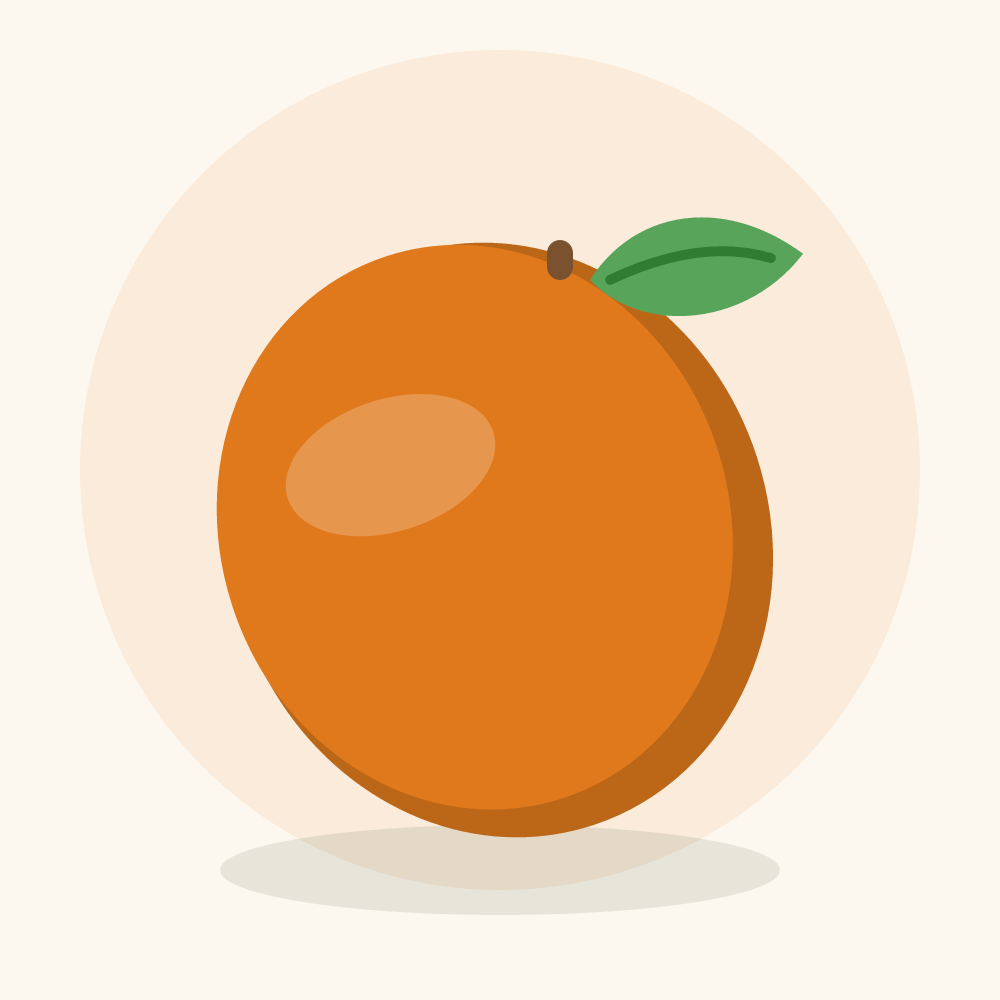
An Australian rainforest fruit whose capsules split to reveal seeds wrapped in bright orange, intensely tart flesh — a native souring fruit used in drinks, sauces, and jams, and a lychee-family relative despite its tamarind-like tang.
At a glance
- Taste
- Vividly tart and citrusy with a juicy orange aril around each seed, tasting sharp and refreshing like tamarind crossed with grapefruit; too sour for most raw, superb sweetened into drinks and sauces.
- Origin
- The rainforests of eastern Australia
- Grown in
- Australia
- Peak season
- Summer, Autumn
Sensory & practical profile
Taste fingerprint
- Sweetness
- Tartness
- Aroma
- Juiciness
- Firmness
Approximate, at peak ripeness · 0–5
- Ripe when
- The capsules ripen brown and split open to reveal plump, vivid-orange arils around the seeds.
- How to eat
- Don't eat it plain — steep the tart orange arils into sweetened drinks and cordials, or cook into sauces, chutneys, and jam.
- Typical price
- Premium
Despite its name and tamarind-like sourness, the native tamarind is actually a cousin of the lychee and longan — a Sapindaceae fruit whose bright orange arils it shares with them, but soured to a citrusy sharpness.
When it's in season, by region
| Region | Peak months |
|---|---|
| Oceania | Dec–Apr (eastern Australia) |
How to select & store
Picking a ripe one
Choose fruit whose capsules have ripened brown and split to reveal plump, bright-orange arils; the more vivid the orange, the fresher. Native-food suppliers sell it fresh in season and frozen year-round.
Storing it
A few days refrigerated fresh; the arils freeze well, the usual way it's stored. Best used soon, sweetened, as the tartness is intense.
Practical uses
🍽️ Culinary
- Native tamarind drink and cordial — the tart arils steeped and sweetened
- Sauces, chutneys, and glazes for meats
- Jams and jellies
- A souring agent in native-food cooking
🌿 Health & traditional
- Vitamin-C-rich; a bush food more than a remedy in modern use
🎎 Cultural
- Long used by Aboriginal peoples of eastern Australia's rainforests
- A handsome rainforest tree, now grown for native-food harvest and as an ornamental
Eating native tamarind: what to know
What regular consumption looks like
Native tamarind is a nutritious everyday fruit, best enjoyed as part of a varied diet. It is a good source of vitamin C (about 35 mg per 100 g), supporting immune function and helping the body absorb iron from plant foods.
Sensible amounts
A typical fruit serving is roughly a handful, one medium fruit, or about 80 g, and two or more varied fruit servings a day is a sensible everyday pattern.
Evidence & conditions
As a whole fruit, Native tamarind contributes fibre, vitamins, and beneficial plant compounds, but it has not been shown to treat or prevent any specific condition — so it is best enjoyed as part of a healthy diet rather than as a remedy.
Native tamarind: frequently asked questions
What does native tamarind taste like?
Vividly tart and citrusy with a juicy orange aril around each seed, tasting sharp and refreshing like tamarind crossed with grapefruit; too sour for most raw, superb sweetened into drinks and sauces.
When is native tamarind in season?
Native tamarind is typically in season Oceania (Dec–Apr (eastern Australia)). Peak months shift between the northern and southern hemispheres.
How do you eat native tamarind?
Don't eat it plain — steep the tart orange arils into sweetened drinks and cordials, or cook into sauces, chutneys, and jam.
How do you know when native tamarind is ripe?
The capsules ripen brown and split open to reveal plump, vivid-orange arils around the seeds.
Is native tamarind good for you?
Native tamarind is a nutritious everyday fruit, best enjoyed as part of a varied diet. It is a good source of vitamin C (about 35 mg per 100 g), supporting immune function and helping the body absorb iron from plant foods.
How much native tamarind should you eat?
A typical fruit serving is roughly a handful, one medium fruit, or about 80 g, and two or more varied fruit servings a day is a sensible everyday pattern.
The native tamarind is a case of a fruit named for its flavor, not its family. When its brown capsules split open in the Australian rainforest, they reveal seeds wrapped in bright orange, intensely tart flesh — a sourness reminiscent of tamarind, though the tree is actually a cousin of the lychee and longan.
A native souring fruit
That vivid, citrusy tartness — like tamarind crossed with grapefruit — is far too sharp for most people to eat raw, which is exactly its value in the kitchen. Long used by Aboriginal peoples of eastern Australia’s rainforests, it’s now a prized native-food ingredient: the orange arils are steeped and sweetened into refreshing drinks and cordials, cooked into sauces, chutneys, and glazes for meats, and made into bright jams. Vitamin-C-rich and beautifully colored, it’s sold fresh in season and frozen year-round by native-food suppliers. A handsome rainforest tree grown increasingly for both harvest and ornament, the native tamarind is one of Australia’s most useful wild sours — the lychee relative that decided to taste like tamarind. For fellow native tang, see the finger lime and Davidson plum.
If you like native tamarind, try these
.jpg?width=800)
In season with native tamarind

.jpg?width=800)