Keppel
Stelechocarpus burahol · Annonaceae · also known as Kepel, Kepel apple, Burahol
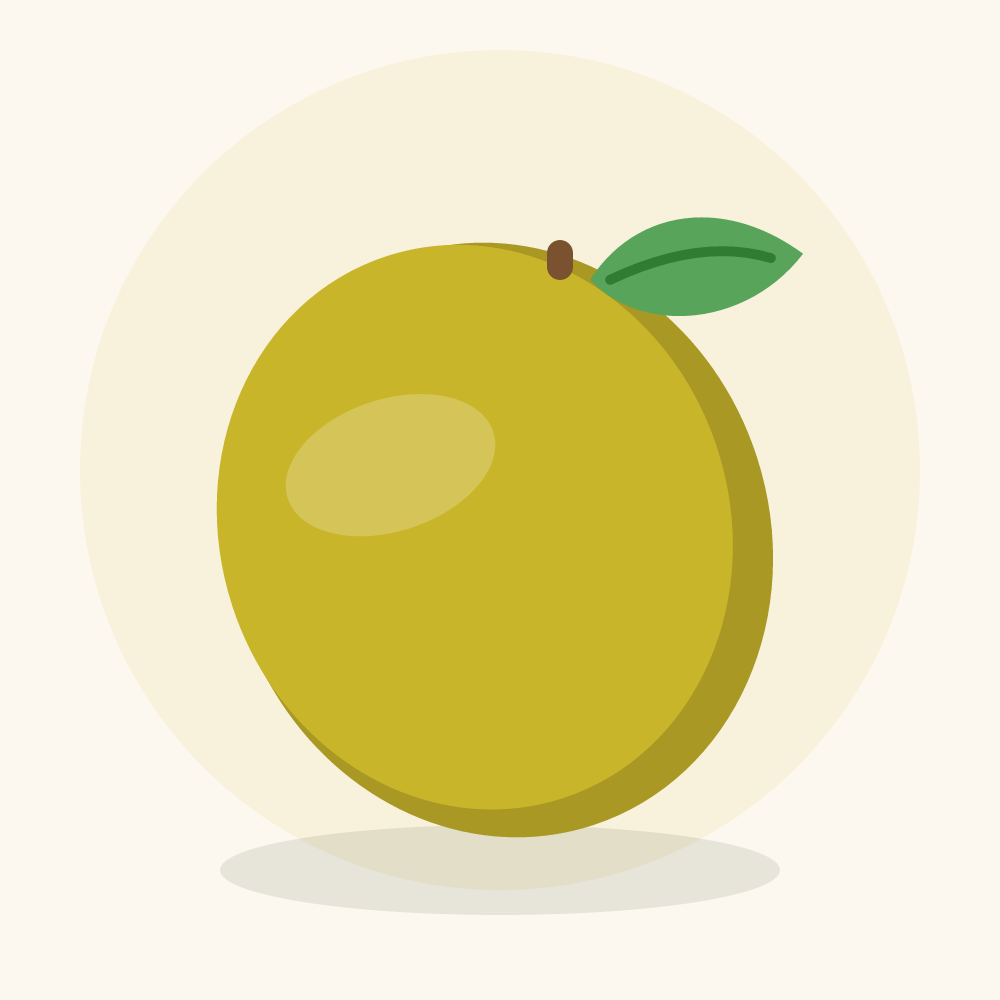
The fabled "deodorant fruit" of Javanese royalty — a russet, trunk-borne cousin of the custard apple whose sweet, mango-and-violet flesh was said to perfume the sweat and breath of the keraton's princesses. Now rare enough to be a conservation cause.
At a glance
- Taste
- Sweet and aromatic — mango and papaya with a distinct floral, violet-like scent and a coconut whisper; soft, juicy orange flesh around large seeds, best eaten spoonably ripe.
- Origin
- Java, Indonesia
- Grown in
- Indonesia, Malaysia, Thailand
- Peak season
- Autumn, Winter
Sensory & practical profile
Taste fingerprint
- Sweetness
- Tartness
- Aroma
- Juiciness
- Firmness
Approximate, at peak ripeness · 0–5
- Ripe when
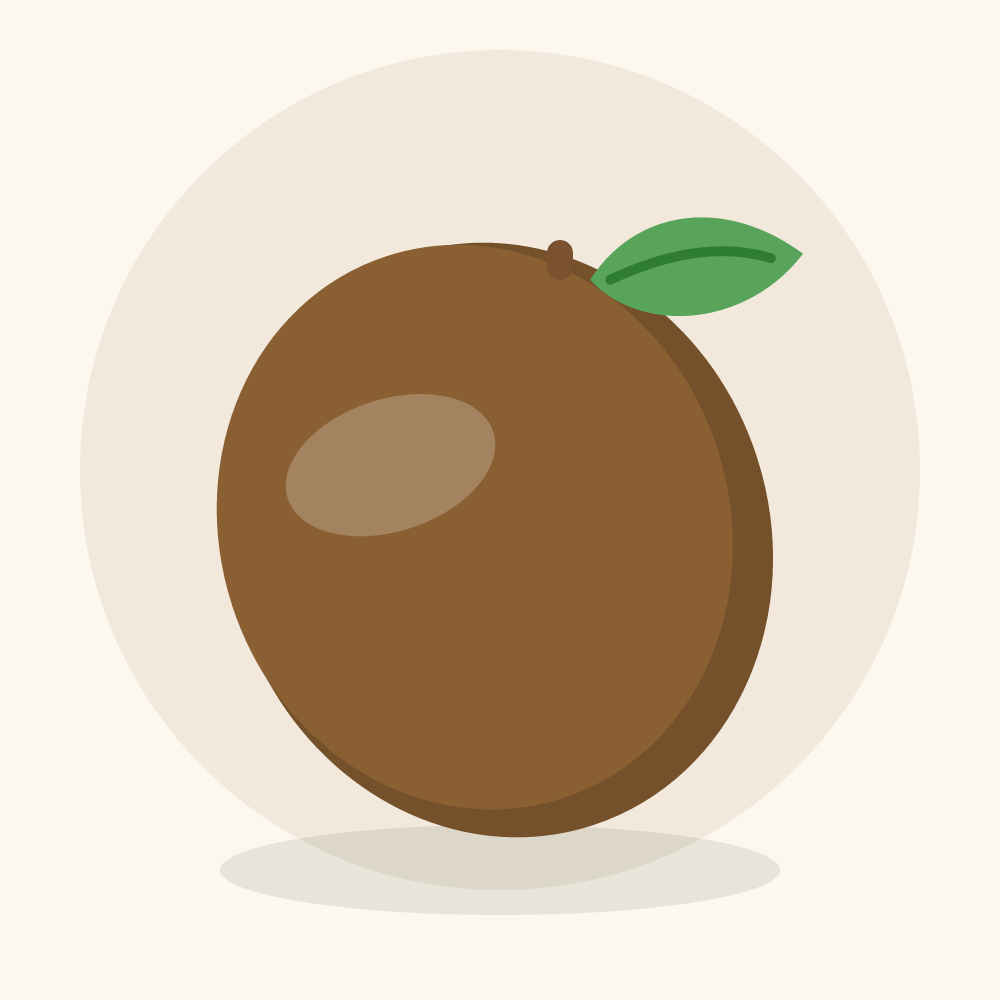
- Dull russet-brown, yielding to gentle thumb pressure, with a sweet floral perfume — keppel is eaten soft-ripe, never firm.
- How to eat
- Cut or tear the thin leathery skin and spoon the soft orange flesh from around the big seeds; the aroma is the whole point, so eat it ripe.
- Typical price
- Luxury
Javanese court lore held that eating keppel made a princess's perspiration and breath smell of violets — a fruit prescribed as living perfume, and once forbidden to commoners.
When it's in season, by region
| Region | Peak months |
|---|---|
| Southeast Asia | Roughly Sep–Feb in Java, fruiting on the trunk and lower branches |
How to select & store
Picking a ripe one
Look for full-sized, dull brown-russet fruit that gives gently under a thumb and smells sweetly floral — you'll almost only find it near old estates and botanic gardens. Hard, scentless fruit needs days more.
Storing it
A few days at room temperature once soft. It does not travel or keep well, which — along with slow-fruiting trees — is a large part of why it nearly vanished.
Practical uses
🍽️ Culinary
- Eaten fresh and fully ripe, scooped from the leathery skin around the seeds
- Occasionally made into local sweets and drinks where the tree still grows
🌿 Health & traditional
- Famed as a natural deodorant — the flesh was eaten to make sweat, breath, and urine smell of violets
- Traditional diuretic and, in folk practice, a mild contraceptive and kidney tonic
🎎 Cultural
- Reserved for the women of the Javanese royal courts (keraton) of Yogyakarta and Surakarta — commoners were long forbidden to grow it
- A symbol of Yogyakarta, now planted in conservation collections as its wild numbers dwindle
Eating keppel: what to know
What regular consumption looks like
Keppel is mostly water with natural sugars, a little fibre, and assorted micronutrients — a hydrating everyday addition to your overall fruit intake rather than a standout for any one nutrient.
Sensible amounts
A typical fruit serving is roughly a handful, one medium fruit, or about 80 g, and two or more varied fruit servings a day is a sensible everyday pattern.
Evidence & conditions
As a whole fruit, Keppel contributes fibre, vitamins, and beneficial plant compounds, but it has not been shown to treat or prevent any specific condition — so it is best enjoyed as part of a healthy diet rather than as a remedy.
Safety notes
- As with all custard-apple relatives, the seeds are toxic and must never be eaten — discard them.
Keppel: frequently asked questions
What does keppel taste like?
Sweet and aromatic — mango and papaya with a distinct floral, violet-like scent and a coconut whisper; soft, juicy orange flesh around large seeds, best eaten spoonably ripe.
When is keppel in season?
Keppel is typically in season Southeast Asia (Roughly Sep–Feb in Java, fruiting on the trunk and lower branches). Peak months shift between the northern and southern hemispheres.
How do you eat keppel?
Cut or tear the thin leathery skin and spoon the soft orange flesh from around the big seeds; the aroma is the whole point, so eat it ripe.
How do you know when keppel is ripe?
Dull russet-brown, yielding to gentle thumb pressure, with a sweet floral perfume — keppel is eaten soft-ripe, never firm.
Is keppel good for you?
Keppel is mostly water with natural sugars, a little fibre, and assorted micronutrients — a hydrating everyday addition to your overall fruit intake rather than a standout for any one nutrient.
How much keppel should you eat?
A typical fruit serving is roughly a handful, one medium fruit, or about 80 g, and two or more varied fruit servings a day is a sensible everyday pattern.
Some fruits are famous for taste; the keppel is famous for what it does after you eat it. In the royal courts of Java, this russet, trunk-borne relative of the custard apple was eaten by princesses as a living perfume — the flesh was believed to make sweat, breath, and even urine smell of violets, and for centuries commoners were forbidden to grow the tree at all.
The deodorant fruit
The legend has a kernel of chemistry: keppel flesh is dense with aromatic compounds, and studies of its pulp have measured a real capacity to absorb the ammonia and mercaptans behind body and breath odor. Whether or not it turned a queen’s perspiration floral, it was prescribed at the keraton as a natural deodorant and diuretic — a fruit that functioned as cosmetic and medicine as much as dessert.
A custard-apple cousin
Taste it (if you ever can) and the family shows through — keppel is an Annonaceae, kin to cherimoya, sugar-apple, and soursop. The soft orange flesh is sweet and mango-like with that signature violet perfume and a coconut edge, scooped spoonably from around big seeds. Like its relatives, it’s eaten dead-ripe and doesn’t keep.
From forbidden to fragile
The exclusivity that once protected keppel now threatens it. Reserved for royalty, slow to fruit, and impossible to ship, it never entered commercial cultivation — and as the old estate gardens faded, so did the tree. Today it’s a symbol of Yogyakarta and a conservation project, planted in botanic collections to keep a fruit that perfumed queens from disappearing entirely.
If you like keppel, try these


In season with keppel

.jpg?width=800)
.jpg?width=800)