How to eat keppel
How to eat keppel, what it tastes like, and how to tell when it's ripe — a practical guide with Keppel's flavour, prep, and storage.
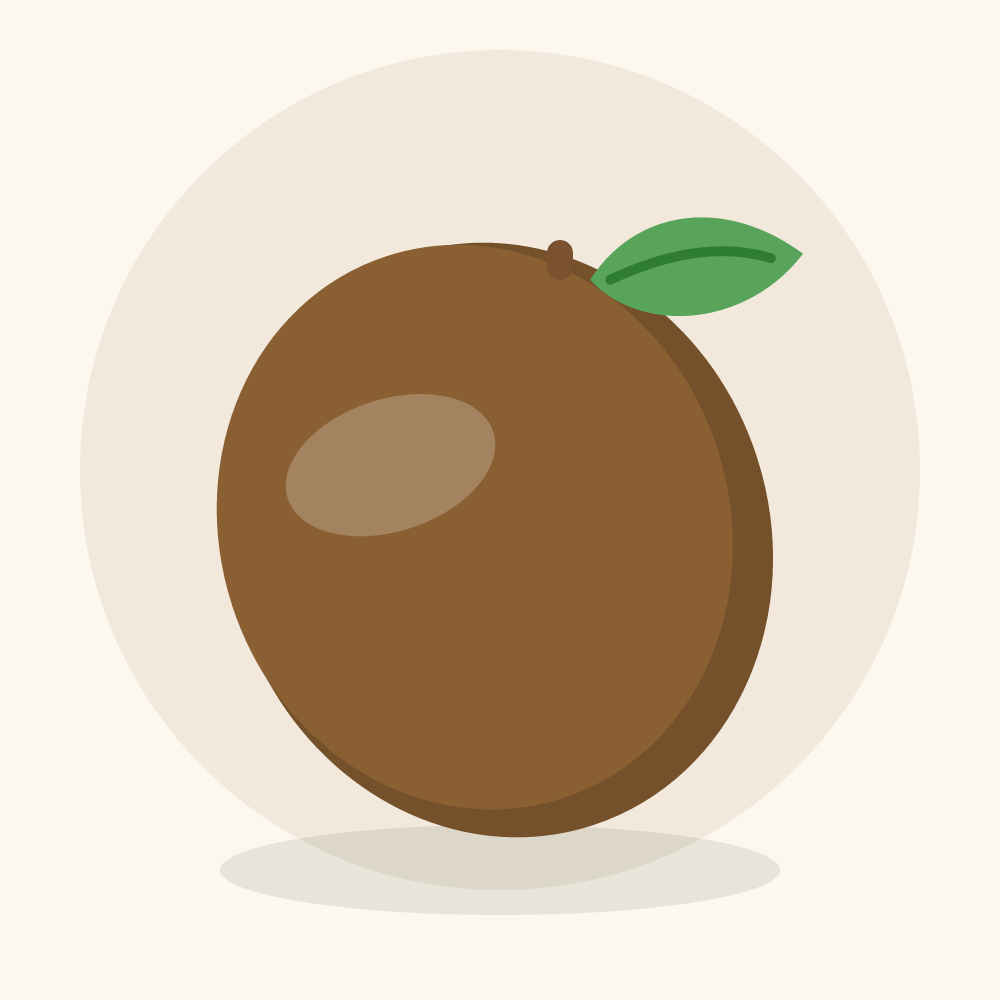
How do you eat keppel? Cut or tear the thin leathery skin and spoon the soft orange flesh from around the big seeds; the aroma is the whole point, so eat it ripe.
What does it taste like? Sweet and aromatic — mango and papaya with a distinct floral, violet-like scent and a coconut whisper; soft, juicy orange flesh around large seeds, best eaten spoonably ripe.
How to prepare & eat keppel
Cut or tear the thin leathery skin and spoon the soft orange flesh from around the big seeds; the aroma is the whole point, so eat it ripe.
Ways to eat & use it
- Eaten fresh and fully ripe, scooped from the leathery skin around the seeds
- Occasionally made into local sweets and drinks where the tree still grows
Pairs well with cherimoya, sugar-apple, soursop.
What does keppel taste like?
Sweet and aromatic — mango and papaya with a distinct floral, violet-like scent and a coconut whisper; soft, juicy orange flesh around large seeds, best eaten spoonably ripe.
Sensory & practical profile
Taste fingerprint
- Sweetness
- Tartness
- Aroma
- Juiciness
- Firmness
Approximate, at peak ripeness · 0–5
- Ripe when
- Dull russet-brown, yielding to gentle thumb pressure, with a sweet floral perfume — keppel is eaten soft-ripe, never firm.
- How to eat
- Cut or tear the thin leathery skin and spoon the soft orange flesh from around the big seeds; the aroma is the whole point, so eat it ripe.
- Typical price
- Luxury
Javanese court lore held that eating keppel made a princess's perspiration and breath smell of violets — a fruit prescribed as living perfume, and once forbidden to commoners.
When it's in season, by region
| Region | Peak months |
|---|---|
| Southeast Asia | Roughly Sep–Feb in Java, fruiting on the trunk and lower branches |
How to tell when keppel is ripe
Dull russet-brown, yielding to gentle thumb pressure, with a sweet floral perfume — keppel is eaten soft-ripe, never firm.
How to store keppel
A few days at room temperature once soft. It does not travel or keep well, which — along with slow-fruiting trees — is a large part of why it nearly vanished.
Keppel: frequently asked questions
What does keppel taste like?
Sweet and aromatic — mango and papaya with a distinct floral, violet-like scent and a coconut whisper; soft, juicy orange flesh around large seeds, best eaten spoonably ripe.
When is keppel in season?
Keppel is typically in season Southeast Asia (Roughly Sep–Feb in Java, fruiting on the trunk and lower branches). Peak months shift between the northern and southern hemispheres.
How do you eat keppel?
Cut or tear the thin leathery skin and spoon the soft orange flesh from around the big seeds; the aroma is the whole point, so eat it ripe.
How do you know when keppel is ripe?
Dull russet-brown, yielding to gentle thumb pressure, with a sweet floral perfume — keppel is eaten soft-ripe, never firm.
Is keppel good for you?
Keppel is mostly water with natural sugars, a little fibre, and assorted micronutrients — a hydrating everyday addition to your overall fruit intake rather than a standout for any one nutrient.
How much keppel should you eat?
A typical fruit serving is roughly a handful, one medium fruit, or about 80 g, and two or more varied fruit servings a day is a sensible everyday pattern.