Illawarra plum
Podocarpus elatus · Podocarpaceae · also known as Illawarra plum, Plum pine, Daalgaal, Brown pine
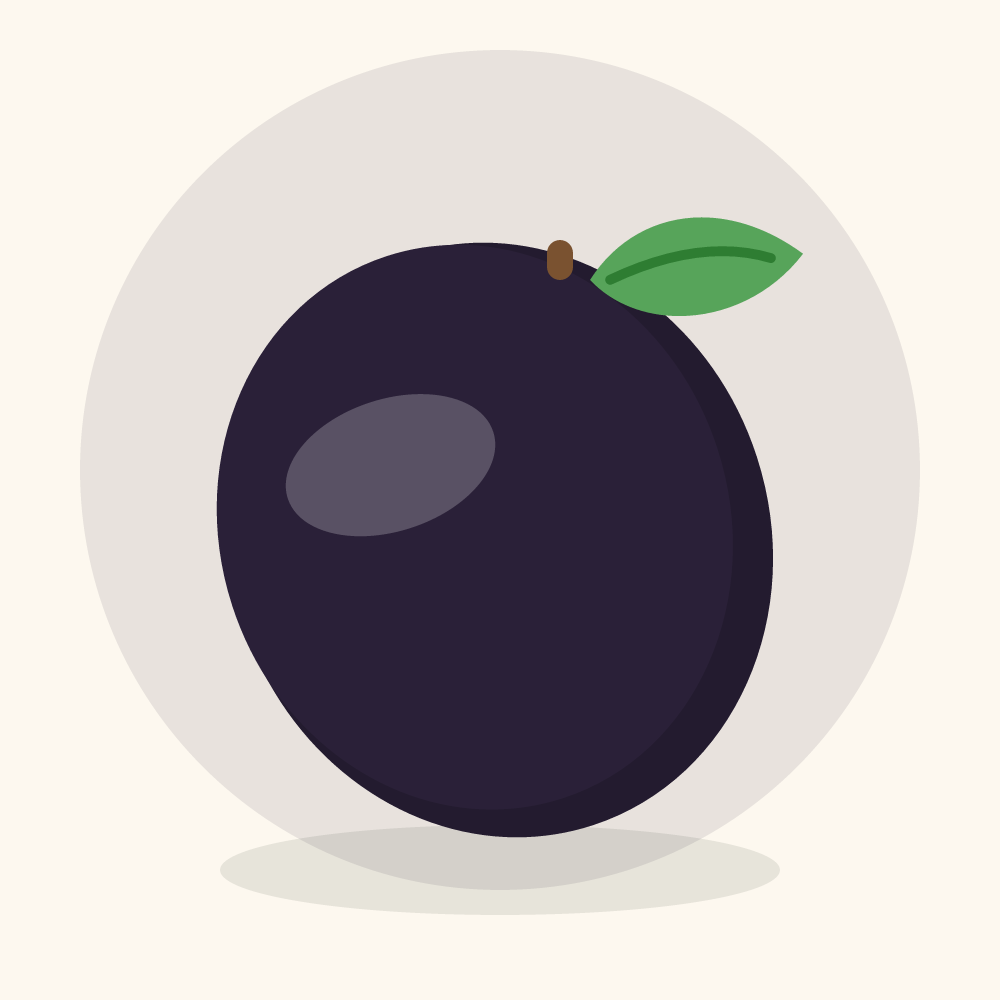
A curious "plum" from an Australian conifer — the swollen purple-black stalk beneath the seed is the edible part, with a resinous, plum-and-pine flavor used in native jams, sauces, and desserts along the east coast.
At a glance
- Taste
- Sweet-tart with a distinctive resinous, pine-and-plum flavor and a slightly stewed-fruit depth; the soft purple-black flesh is the swollen receptacle, eaten around the hard seed on top.
- Origin
- The rainforests and coastal forests of eastern Australia
- Grown in
- Australia
- Peak season
- Autumn, Winter
Sensory & practical profile
Taste fingerprint
- Sweetness
- Tartness
- Aroma
- Juiciness
- Firmness
Approximate, at peak ripeness · 0–5
- Ripe when
- The fleshy stalk swells and turns fully purple-black and soft; the small green seed perched on top is not eaten.
- How to eat
- Eat the soft purple flesh off the seed fresh, or (more usually) cook it into jams, sauces, and glazes with its resinous plum-pine flavor.
- Typical price
- Premium
The Illawarra plum isn't really a plum — or even a fruit in the ordinary sense — but the swollen, edible stalk of a conifer's seed, making it one of the only "fruits" on earth that grows on a pine relative.
When it's in season, by region
| Region | Peak months |
|---|---|
| Oceania | Mar–Jul (eastern Australian coast) |
How to select & store
Picking a ripe one
Choose soft, fully purple-black fleshy stalks; the green seed sits on top and is discarded. Native-food suppliers sell it fresh in season and frozen or as products year-round.
Storing it
A few days refrigerated fresh; freezes well, which is how most Illawarra plum is stored and traded. The flesh softens and is used promptly.
Practical uses
🍽️ Culinary
- Jams, sauces, and glazes for meats (a native answer to plum sauce)
- Desserts, ice creams, and syrups
- Wines and cordials
- Eaten fresh, the soft flesh nibbled off the seed
🌿 Health & traditional
- A bush food valued for antioxidants; minor traditional uses
🎎 Cultural
- Long eaten by Aboriginal peoples of the east coast, who ate the sweet fleshy stalks
- A striking botanical oddity — one of the very few edible fruits borne by a conifer
Eating illawarra plum: what to know
What regular consumption looks like
Illawarra plum is a nutritious everyday fruit, best enjoyed as part of a varied diet. It is a good source of fibre (about 3 g per 100 g), which supports digestion and satiety. Its pigments and polyphenols are antioxidants that population studies associate with heart health, though that reflects overall diet rather than any single fruit.
Sensible amounts
A typical fruit serving is roughly a handful, one medium fruit, or about 80 g, and two or more varied fruit servings a day is a sensible everyday pattern.
Evidence & conditions
As a whole fruit, Illawarra plum contributes fibre, vitamins, and beneficial plant compounds, but it has not been shown to treat or prevent any specific condition — so it is best enjoyed as part of a healthy diet rather than as a remedy.
Illawarra plum: frequently asked questions
What does illawarra plum taste like?
Sweet-tart with a distinctive resinous, pine-and-plum flavor and a slightly stewed-fruit depth; the soft purple-black flesh is the swollen receptacle, eaten around the hard seed on top.
When is illawarra plum in season?
Illawarra plum is typically in season Oceania (Mar–Jul (eastern Australian coast)). Peak months shift between the northern and southern hemispheres.
How do you eat illawarra plum?
Eat the soft purple flesh off the seed fresh, or (more usually) cook it into jams, sauces, and glazes with its resinous plum-pine flavor.
How do you know when illawarra plum is ripe?
The fleshy stalk swells and turns fully purple-black and soft; the small green seed perched on top is not eaten.
Is illawarra plum good for you?
Illawarra plum is a nutritious everyday fruit, best enjoyed as part of a varied diet. It is a good source of fibre (about 3 g per 100 g), which supports digestion and satiety. Its pigments and polyphenols are antioxidants that population studies associate with heart health, though that reflects overall diet rather than any single fruit.
How much illawarra plum should you eat?
A typical fruit serving is roughly a handful, one medium fruit, or about 80 g, and two or more varied fruit servings a day is a sensible everyday pattern.
The Illawarra plum is a botanical trickster. It looks and eats like a soft purple-black plum, but it grows on a conifer — the “plum pine” of Australia’s east-coast rainforests — and the edible part isn’t a fruit at all but the swollen, fleshy stalk beneath the seed. It’s one of the very few edible “fruits” on earth borne by a pine relative.
Plum flavor with a pine soul
The flesh is sweet-tart with a genuinely distinctive resinous, pine-and-plum character that sets it apart from any true fruit. Long eaten by Aboriginal peoples of the east coast, who nibbled the sweet stalks off the seed, it’s now a valued native food used mostly cooked: jams and glazes (a native answer to plum sauce for meats), desserts and ice creams, syrups, wines, and cordials, its dark anthocyanin-rich flesh bringing color as well as flavor. Sold fresh in autumn and frozen year-round by native-food suppliers, it sits alongside the Davidson plum, muntries, and riberry in the Australian bush pantry — the strangest and most intriguing of the group.
If you like illawarra plum, try these


In season with illawarra plum

.jpg?width=800)