Guabiju
Myrcianthes pungens · Myrtaceae · also known as Guabijú, Ivaviju, Mata-olho
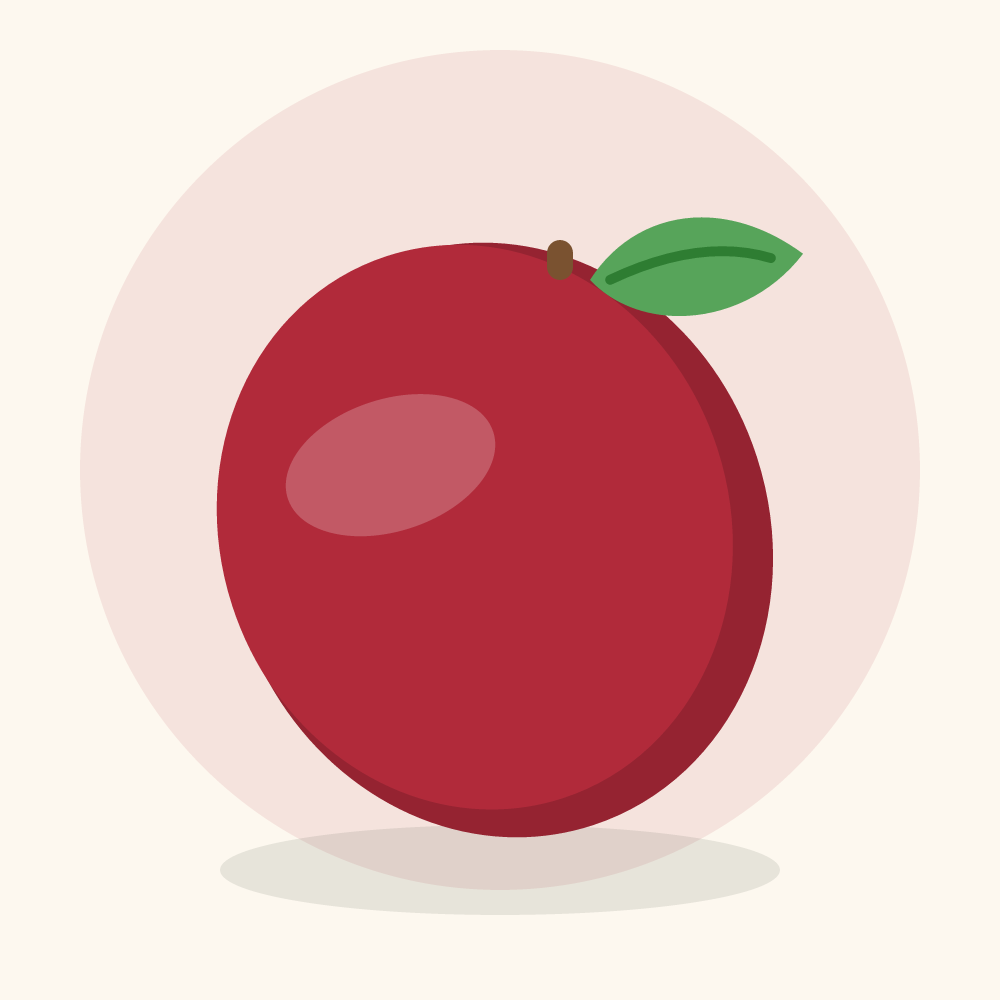
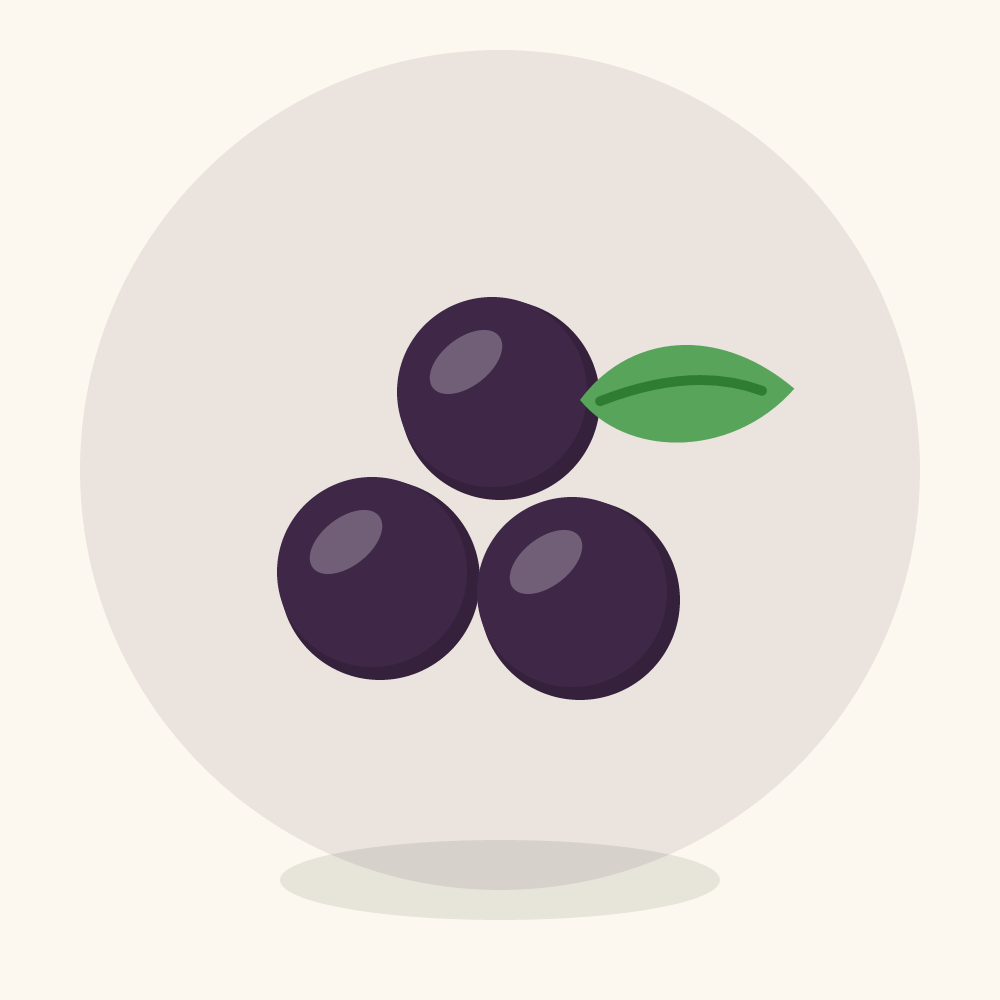
A dark purple myrtle berry of southern South America — sweet, aromatic, and resinous, tasting of blueberry and pine with a hint of the tropics. A cherished wild fruit of the grassland forests of Brazil, Uruguay, and Argentina, eaten fresh and made into liqueur.
At a glance
- Taste
- Sweet and aromatic with soft, dark purple flesh; the flavor mixes blueberry and grape with a resinous, faintly eucalyptus myrtle note, richer and more perfumed than most wild berries.
- Origin
- The grassland forests of southern South America
- Grown in
- Brazil, Uruguay, Argentina, Paraguay
- Peak season
- Summer, Autumn
Sensory & practical profile
Taste fingerprint
- Sweetness
- Tartness
- Aroma
- Juiciness
- Firmness
Approximate, at peak ripeness · 0–5
- Ripe when
- The berries turn fully dark purple and soft, smelling sweetly aromatic; green-red fruit is underripe and astringent.
- How to eat
- Eat the sweet ripe berries fresh by the handful, or make them into jam, syrup, and the aromatic liqueur they're prized for.
- Typical price
- Budget
The guabiju is one of the sweetest of southern South America's many native myrtle berries — a blueberry-and-pine-scented purple fruit that Pampas and Atlantic-forest communities have gathered from wild trees for generations.
When it's in season, by region
| Region | Peak months |
|---|---|
| Latin America | Summer to early autumn (Dec–Mar in the south) |
How to select & store
Picking a ripe one
Choose fully dark purple, soft berries that give easily and smell sweetly aromatic; underripe green-red fruit is astringent. Ripe guabiju is fragrant and yields at a touch.
Storing it
A day or two refrigerated — soft and perishable. Eaten fresh soon after gathering, or made into jam and liqueur the same day.
Practical uses
🍽️ Culinary
- Eaten fresh by the handful, a prized wild summer berry
- Jams, jellies, and syrups
- Liqueurs and country wines
- Added to desserts and drinks
🌿 Health & traditional
- Leaves and fruit used in southern South American folk medicine
🎎 Cultural
- A cherished native fruit of the Pampas and Atlantic-forest edges, gathered from wild and planted trees
- The handsome tree is also valued for its dense wood and as an ornamental
Eating guabiju: what to know
What regular consumption looks like
Guabiju is a nutritious everyday fruit, best enjoyed as part of a varied diet. It is a good source of fibre (about 3 g per 100 g), which supports digestion and satiety. Its pigments and polyphenols are antioxidants that population studies associate with heart health, though that reflects overall diet rather than any single fruit.
Sensible amounts
A typical fruit serving is roughly a handful, one medium fruit, or about 80 g, and two or more varied fruit servings a day is a sensible everyday pattern.
Evidence & conditions
As a whole fruit, Guabiju contributes fibre, vitamins, and beneficial plant compounds, but it has not been shown to treat or prevent any specific condition — so it is best enjoyed as part of a healthy diet rather than as a remedy.
Guabiju: frequently asked questions
What does guabiju taste like?
Sweet and aromatic with soft, dark purple flesh; the flavor mixes blueberry and grape with a resinous, faintly eucalyptus myrtle note, richer and more perfumed than most wild berries.
When is guabiju in season?
Guabiju is typically in season Latin America (Summer to early autumn (Dec–Mar in the south)). Peak months shift between the northern and southern hemispheres.
How do you eat guabiju?
Eat the sweet ripe berries fresh by the handful, or make them into jam, syrup, and the aromatic liqueur they're prized for.
How do you know when guabiju is ripe?
The berries turn fully dark purple and soft, smelling sweetly aromatic; green-red fruit is underripe and astringent.
Is guabiju good for you?
Guabiju is a nutritious everyday fruit, best enjoyed as part of a varied diet. It is a good source of fibre (about 3 g per 100 g), which supports digestion and satiety. Its pigments and polyphenols are antioxidants that population studies associate with heart health, though that reflects overall diet rather than any single fruit.
How much guabiju should you eat?
A typical fruit serving is roughly a handful, one medium fruit, or about 80 g, and two or more varied fruit servings a day is a sensible everyday pattern.
Southern South America is quietly rich in native myrtle fruits, and the guabiju is among the most beloved — a dark purple berry, sweet and aromatic, tasting of blueberry and grape with a resinous, faintly eucalyptus edge. It ripens each summer in the grassland forests of Brazil, Uruguay, and Argentina, gathered from wild and dooryard trees.
A perfumed berry of the Pampas
Fully ripe, the guabiju is fragrant and soft, its dark flesh richer and more perfumed than most wild berries thanks to the aromatic oils that run through the whole myrtle family. It’s eaten fresh by the handful as a summer treat, cooked into jams, jellies, and syrups, and — most distinctively — steeped into an aromatic liqueur that captures its blueberry-and-pine character. The handsome tree, with its dense wood and glossy leaves, is valued as an ornamental too. A Myrtaceae cousin of the guabiroba, uvaia, and grumichama, it belongs to the same constellation of fragrant South American native fruits — the ones that never reach supermarkets but define the flavor of a southern summer.
If you like guabiju, try these
.jpg?width=800)


In season with guabiju


.jpg?width=800)