Aratiles
Muntingia calabura · Muntingiaceae · also known as Jamaican cherry, Kerson fruit, Panama berry, Strawberry tree, Datiles, Capulin blanco, Cotton candy berry
The small red berry that falls from scruffy roadside trees across the tropics and tastes improbably of cotton candy. Beloved by children in the Philippines and Latin America, almost never sold, and one of the fastest-growing fruit trees on earth.
At a glance
- Taste
- Startlingly sweet and mild, with a distinct spun-sugar or cotton-candy note and a faint fig-like graininess from the thousands of tiny seeds. No acidity to speak of. Texture is soft and jammy once fully red.
- Origin
- Southern Mexico, Central America and the Caribbean; now naturalised across the tropics
- Grown in
- Philippines, Mexico, Indonesia, India, Brazil, Vietnam
- Peak season
- Year-round
- Notable varieties
- Single wild type; no named cultivars in commercial use
Sensory & practical profile
Taste fingerprint
- Sweetness
- Tartness
- Aroma
- Juiciness
- Firmness
Approximate, at peak ripeness · 0–5
- Ripe when
- Uniformly deep red, soft to the touch, and detaching from the stalk with almost no pull. Orange or firm fruit is underripe and tastes of very little.
- How to eat
- Eat it whole and fresh — skin, pulp and the thousands of tiny seeds together. There is nothing to peel or remove, and it does not keep long enough to do anything else with.
- Typical price
- Budget
Aratiles is one of the fastest-fruiting trees known — it can flower and set fruit within about two years of germination, and then produces almost continuously, which is why it colonises vacant lots across the tropics and why almost nobody bothers to farm it.
When it's in season, by region
| Region | Peak months |
|---|---|
| Southeast Asia | More or less continuously in the lowland tropics |
How to select & store
Picking a ripe one
Pick only fully red, soft fruit — it should come away from the stalk at a touch. Anything still orange or firm is unripe and bland. The fruit does not ship, so it is a picked-and-eaten proposition rather than a market one.
Storing it
Effectively none. Aratiles bruises within hours and ferments within a day, which is the whole reason it has no commercial trade. Eat it standing under the tree, or freeze the pulp promptly.
Practical uses
🍽️ Culinary
- Eaten straight off the tree, usually by children
- Made into jam and small-batch preserves in the Philippines
- Blended into juice and shakes
- The leaves are brewed as a tea in several countries
🌿 Health & traditional
- Leaf tea is traditionally drunk in the Philippines and parts of Latin America for a range of complaints; laboratory studies of the plant's compounds exist, but human clinical evidence is limited and it should not be treated as a treatment for anything
🎎 Cultural
- A universal Filipino childhood memory — the tree that grows in every vacant lot
- Planted as a fast-growing nurse tree and for shade because it fruits within two years from seed
Eating aratiles: what to know
What regular consumption looks like
Aratiles is mostly water with natural sugars, a little fibre, and assorted micronutrients — a hydrating everyday addition to your overall fruit intake rather than a standout for any one nutrient.
Sensible amounts
A typical fruit serving is roughly a handful, one medium fruit, or about 80 g, and two or more varied fruit servings a day is a sensible everyday pattern.
Evidence & conditions
As a whole fruit, Aratiles contributes fibre, vitamins, and beneficial plant compounds, but it has not been shown to treat or prevent any specific condition — so it is best enjoyed as part of a healthy diet rather than as a remedy.
Aratiles: frequently asked questions
What does aratiles taste like?
Startlingly sweet and mild, with a distinct spun-sugar or cotton-candy note and a faint fig-like graininess from the thousands of tiny seeds. No acidity to speak of. Texture is soft and jammy once fully red.
When is aratiles in season?
Aratiles is typically in season Southeast Asia (More or less continuously in the lowland tropics). Peak months shift between the northern and southern hemispheres.
How do you eat aratiles?
Eat it whole and fresh — skin, pulp and the thousands of tiny seeds together. There is nothing to peel or remove, and it does not keep long enough to do anything else with.
How do you know when aratiles is ripe?
Uniformly deep red, soft to the touch, and detaching from the stalk with almost no pull. Orange or firm fruit is underripe and tastes of very little.
Is aratiles good for you?
Aratiles is mostly water with natural sugars, a little fibre, and assorted micronutrients — a hydrating everyday addition to your overall fruit intake rather than a standout for any one nutrient.
How much aratiles should you eat?
A typical fruit serving is roughly a handful, one medium fruit, or about 80 g, and two or more varied fruit servings a day is a sensible everyday pattern.
Why does aratiles taste like cotton candy?
Its sugars are high and its acidity is close to nil, which removes the sour counterpoint most fruit has and leaves an almost pure sweetness. Combined with a light floral aroma and the fine graininess of the seeds, the result reads to most people as spun sugar. It is the most consistently reported description of the fruit across every country that has it.
Why can't you buy aratiles in shops?
It has effectively no shelf life. The fruit bruises within hours of picking and ferments within a day, so it cannot be graded, packed or shipped in any normal way. That is why a tree that fruits almost continuously and grows practically anywhere has never become a commercial crop — you eat it where it falls or not at all.
What else is aratiles called?
A great many things, because it has naturalised almost everywhere warm. Jamaican cherry, Panama berry, kerson fruit and cotton candy berry in English; aratiles or datiles in the Philippines; capulin blanco in parts of Latin America; kersen in Indonesia; talok in Malaysia. Note that "strawberry tree" is also used for it in some places, which collides with the unrelated Mediterranean Arbutus unedo.
Almost every Filipino adult has eaten aratiles, and almost none have bought it.
The vacant-lot tree
Muntingia calabura is a scrappy, fast-growing tree with drooping branches and slightly sticky leaves that turns up in vacant lots, along roadsides and beside school walls across the tropics. It came from Central America and has naturalised so thoroughly across Southeast Asia, South Asia and Africa that most people who grew up with it assume it is native.
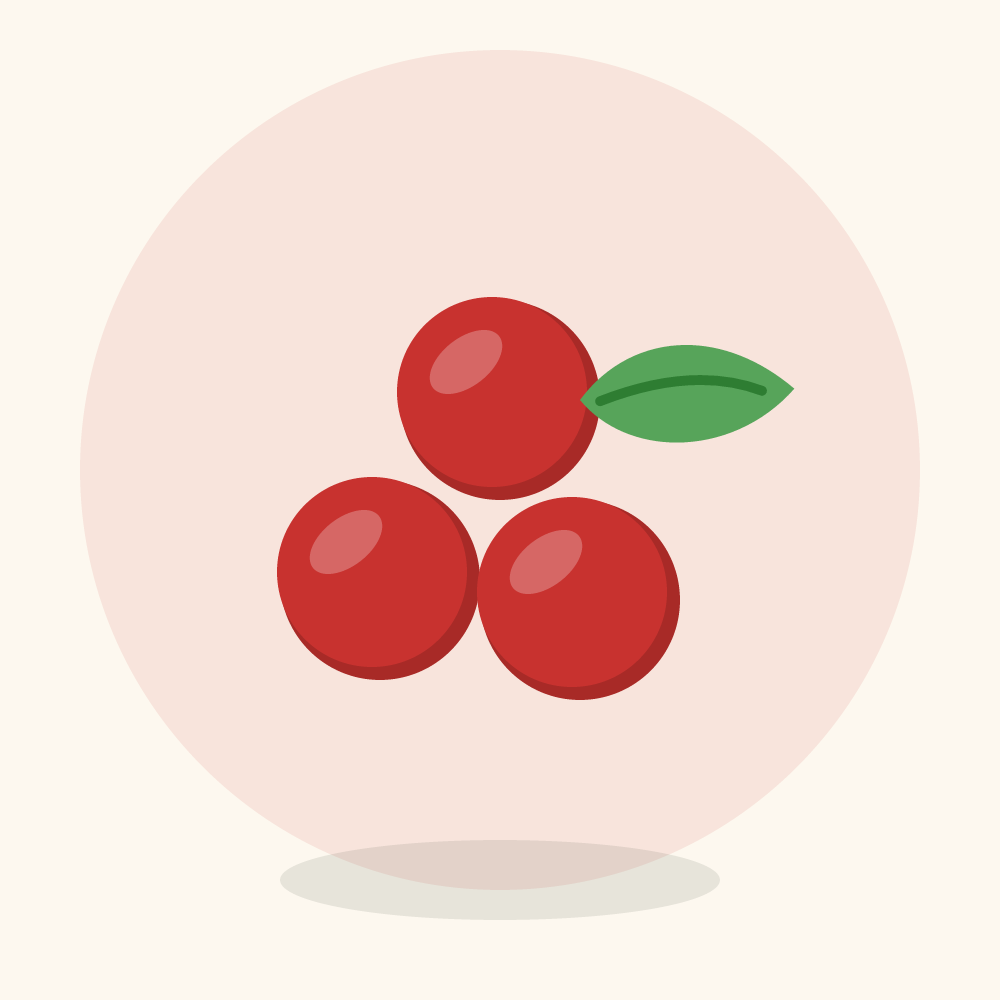
It fruits within about two years of germination and then keeps going more or less permanently, dropping small red berries a centimetre across.
The cotton candy thing
The taste is the reason anyone remembers it. Aratiles is very sweet and has almost no acid at all, which removes the sour edge nearly every other fruit carries. What is left reads, to more or less everyone independently, as spun sugar — hence “cotton candy berry” in English and the near-universal childhood affection for it.
Inside are thousands of tiny seeds, fig-like in texture, eaten along with everything else. There is nothing to peel and nothing to remove.
Why it will never be in a supermarket
It bruises within hours and ferments within a day. No amount of demand can fix that; the fruit simply cannot be graded, packed or shipped. A tree that grows anywhere, fruits constantly and tastes like sweets has consequently never become a crop — which is a fair summary of why so much of the world’s best fruit is invisible to the world’s fruit trade.
A note on nutrition
We hold no nutrition figures for aratiles. It has not been analysed by USDA and we could not reach a national food-composition table covering it. Rather than borrow numbers from a related species — which would be inventing them — we leave the table off, and the entry is excluded from our nutrition rankings.
If you like aratiles, try these
.jpg?width=800)