How to eat wild medlar
How to eat wild medlar, what it tastes like, and how to tell when it's ripe — a practical guide with Wild medlar's flavour, prep, and storage.
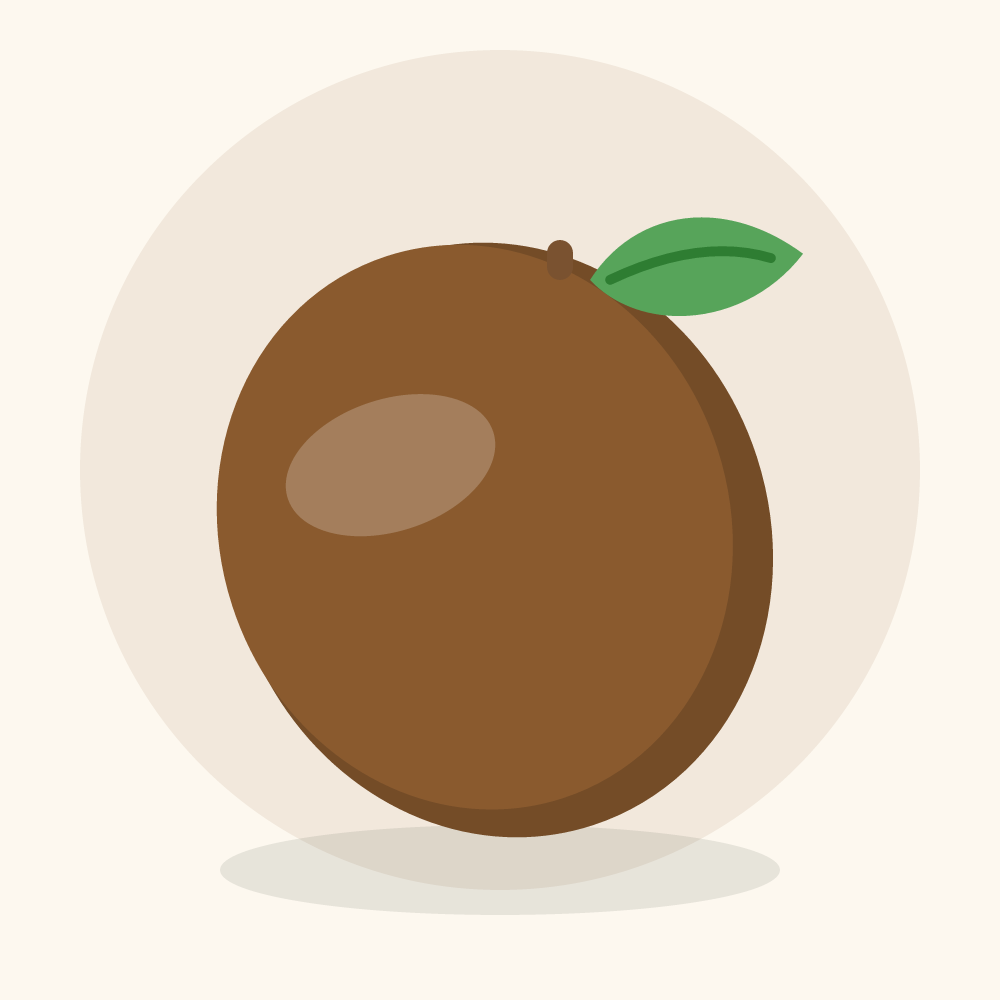
How do you eat wild medlar? Scoop the soft brown pulp and eat it fresh around the seeds, or dry it and brew it into a traditional drink.
What does it taste like? Sweet-sour when fully ripe, with soft brown pulp tasting of stewed apple, date, and tamarind around a few hard seeds; astringent and firm before ripening.
How to prepare & eat wild medlar
Scoop the soft brown pulp and eat it fresh around the seeds, or dry it and brew it into a traditional drink.
Ways to eat & use it
- Ripe pulp eaten fresh, scooped from the skin
- Made into a traditional fermented drink and porridge
- Dried for storage, and made into jams
Pairs well with medlar, jackalberry, date.
What does wild medlar taste like?
Sweet-sour when fully ripe, with soft brown pulp tasting of stewed apple, date, and tamarind around a few hard seeds; astringent and firm before ripening.
Sensory & practical profile
Taste fingerprint
- Sweetness
- Tartness
- Aroma
- Juiciness
- Firmness
Approximate, at peak ripeness · 0–5
- Ripe when
- The skin turns russet-brown and the fruit softens with a sweet apple-date smell; firm green fruit is astringent.
- How to eat
- Scoop the soft brown pulp and eat it fresh around the seeds, or dry it and brew it into a traditional drink.
- Typical price
- Budget
The wild medlar looks and eats so much like the European medlar — soft, brown, and apple-date sweet — that colonists borrowed the name, though the two fruits are entirely unrelated across different plant families.
When it's in season, by region
| Region | Peak months |
|---|---|
| Africa | Nov–Apr (southern African summer) |
How to tell when wild medlar is ripe
The skin turns russet-brown and the fruit softens with a sweet apple-date smell; firm green fruit is astringent.
How to store wild medlar
A few days once soft-ripe. Like the European medlar it is best eaten when very soft; the pulp is also dried and stored.
Wild medlar: frequently asked questions
What does wild medlar taste like?
Sweet-sour when fully ripe, with soft brown pulp tasting of stewed apple, date, and tamarind around a few hard seeds; astringent and firm before ripening.
When is wild medlar in season?
Wild medlar is typically in season Africa (Nov–Apr (southern African summer)). Peak months shift between the northern and southern hemispheres.
How do you eat wild medlar?
Scoop the soft brown pulp and eat it fresh around the seeds, or dry it and brew it into a traditional drink.
How do you know when wild medlar is ripe?
The skin turns russet-brown and the fruit softens with a sweet apple-date smell; firm green fruit is astringent.
Is wild medlar good for you?
Wild medlar is a nutritious everyday fruit, best enjoyed as part of a varied diet. It is a good source of fibre (about 3 g per 100 g), which supports digestion and satiety. It is a good source of vitamin C (about 30 mg per 100 g), supporting immune function and helping the body absorb iron from plant foods.
How much wild medlar should you eat?
A typical fruit serving is roughly a handful, one medium fruit, or about 80 g, and two or more varied fruit servings a day is a sensible everyday pattern.
See the full wild medlar profile — nutrition, season & more →