How to eat pili
Pili gives two foods: a pulp you boil and eat with salt or fish sauce, and a rich kernel you crack, peel and roast or candy.
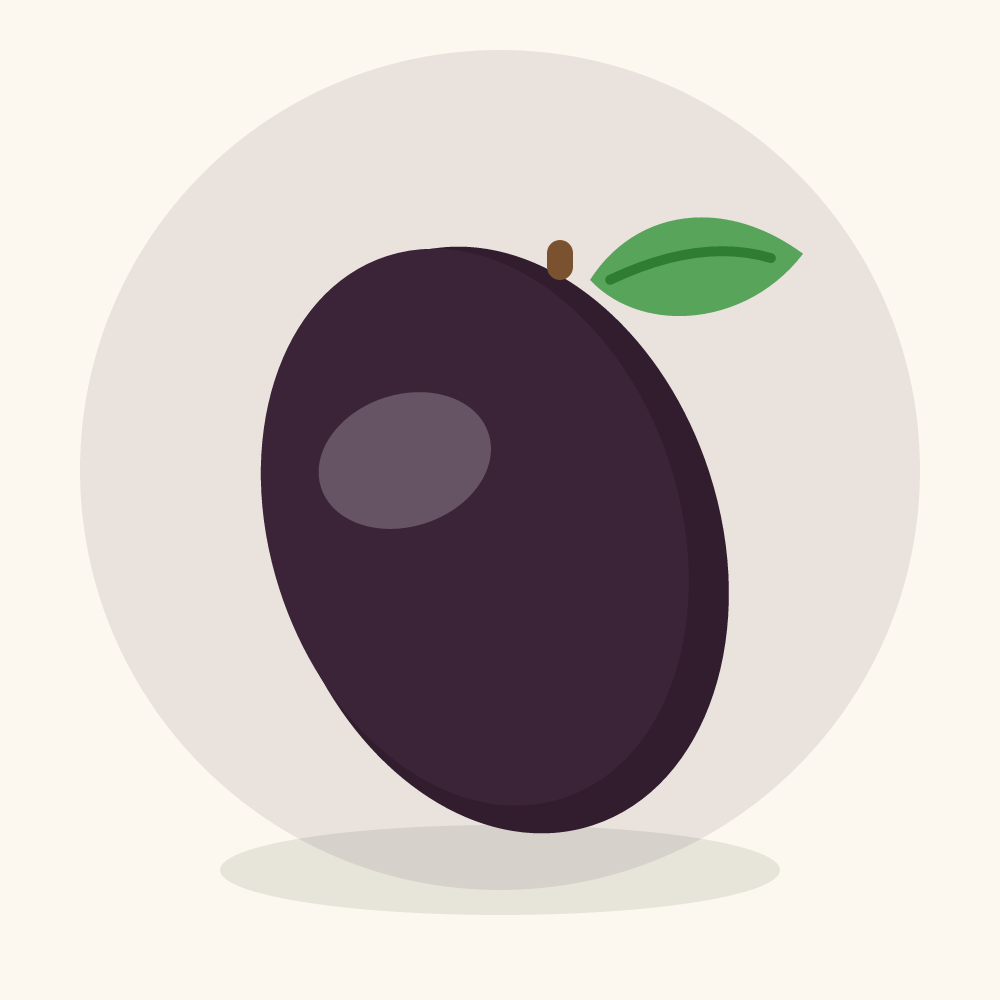
How do you eat pili? Boil the ripe fruit briefly and eat the softened pulp with salt or fish sauce; crack the hard shell for the kernel, then peel off its thin brown seed coat and eat it raw, roasted or candied.
What does it taste like? The kernel is the prize — raw it tastes rather like a roasted pumpkin seed; roasted it turns rich, buttery and nutty with a waxy, pine-nut-like bite.
How to prepare & eat pili
Boil the ripe fruit briefly and eat the softened pulp with salt or fish sauce; crack the hard shell for the kernel, then peel off its thin brown seed coat and eat it raw, roasted or candied.
Ways to eat & use it
- Kernels roasted and salted, or sugar-coated, as a snack
- Pili candies and brittle
- Kernels used in bakery products and as a flavouring for ice cream
- Ripe pulp boiled and eaten with salt or fish sauce
- Young shoots eaten in salads
What does pili taste like?
The kernel is the prize — raw it tastes rather like a roasted pumpkin seed; roasted it turns rich, buttery and nutty with a waxy, pine-nut-like bite. The thin pulp around the shell, once boiled, is soft and starchy like sweet potato and oily rather than sweet.
Sensory & practical profile
Taste fingerprint
- Sweetness
- Tartness
- Aroma
- Juiciness
- Firmness
Approximate, at peak ripeness · 0–5
- Ripe when
- The skin has turned from light green to purplish-black; the season runs May to October in the Philippines, peaking June to August.
- How to eat
- Boil the ripe fruit briefly and eat the softened pulp with salt or fish sauce; crack the hard shell for the kernel, then peel off its thin brown seed coat and eat it raw, roasted or candied.
Pili is grown and processed in commercial quantity in only one country, the Philippines, and the Bicol region is the heart of that trade.
When it's in season, by region
| Region | Peak months |
|---|---|
| Southeast Asia | May–Oct, peak Jun–Aug (Philippines) |
How to tell when pili is ripe
The skin has turned from light green to purplish-black; the season runs May to October in the Philippines, peaking June to August.
How to store pili
Shelled kernels are very oily, so keep them airtight in the fridge or freezer to stop them turning rancid. Fresh fruit should be boiled and eaten within days of harvest.
Pili: frequently asked questions
What does pili taste like?
The kernel is the prize — raw it tastes rather like a roasted pumpkin seed; roasted it turns rich, buttery and nutty with a waxy, pine-nut-like bite. The thin pulp around the shell, once boiled, is soft and starchy like sweet potato and oily rather than sweet.
When is pili in season?
Pili is typically in season Southeast Asia (May–Oct, peak Jun–Aug (Philippines)). Peak months shift between the northern and southern hemispheres.
How do you eat pili?
Boil the ripe fruit briefly and eat the softened pulp with salt or fish sauce; crack the hard shell for the kernel, then peel off its thin brown seed coat and eat it raw, roasted or candied.
How do you know when pili is ripe?
The skin has turned from light green to purplish-black; the season runs May to October in the Philippines, peaking June to August.
Is pili good for you?
Pili is mostly water with natural sugars, a little fibre, and assorted micronutrients — a hydrating everyday addition to your overall fruit intake rather than a standout for any one nutrient.
How much pili should you eat?
A typical fruit serving is roughly a handful, one medium fruit, or about 80 g, and two or more varied fruit servings a day is a sensible everyday pattern.