How to eat chequers
How to eat chequers, what it tastes like, and how to tell when it's ripe — a practical guide with Chequers's flavour, prep, and storage.
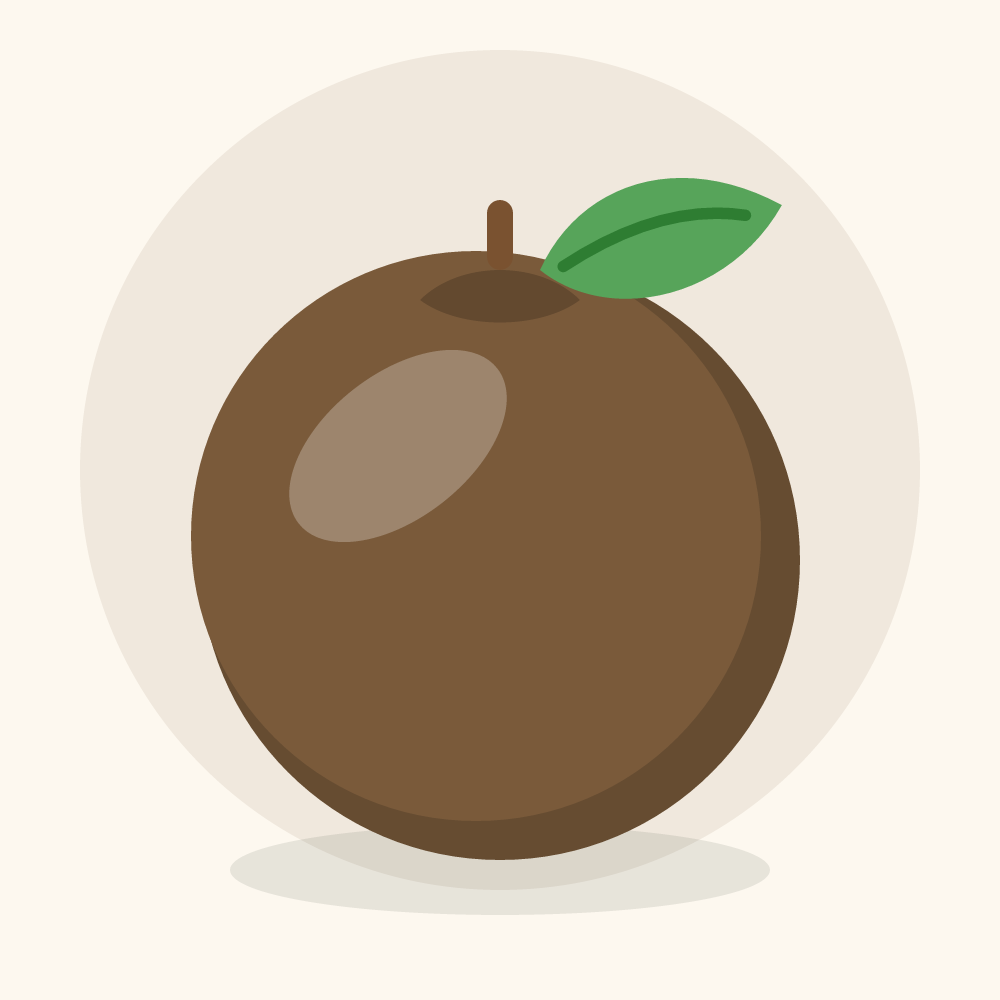
How do you eat chequers? Wait until soft and brown (bletted), then eat the sweet, spiced flesh fresh, or add to cider and preserves.
What does it taste like? Astringent and sour when fresh; bletted (over-softened) it turns sweet and rich with date, dried-apricot, and cinnamon notes; the small brown fruit is speckled with pale lenticels like tiny chequerboards.
How to prepare & eat chequers
Wait until soft and brown (bletted), then eat the sweet, spiced flesh fresh, or add to cider and preserves.
Ways to eat & use it
- Eaten fresh once fully bletted, like a medlar
- Traditionally added to cider and country wines (and once used to flavor beer)
- Made into preserves and fruit pastes
- Dried for winter
Pairs well with service tree fruit, medlar, rowan.
What does chequers taste like?
Astringent and sour when fresh; bletted (over-softened) it turns sweet and rich with date, dried-apricot, and cinnamon notes; the small brown fruit is speckled with pale lenticels like tiny chequerboards.
Sensory & practical profile
Taste fingerprint
- Sweetness
- Tartness
- Aroma
- Juiciness
- Firmness
Approximate, at peak ripeness · 0–5
- Ripe when
- Only edible bletted — left to soften to brown and wrinkled after autumn gathering; hard fresh fruit is sour and astringent.
- How to eat
- Wait until soft and brown (bletted), then eat the sweet, spiced flesh fresh, or add to cider and preserves.
- Typical price
- Budget
The chequers was so woven into English country life — eaten bletted, brewed into drinks, sold at markets — that "The Chequers" became one of Britain's most common pub names, quite possibly after the fruit itself.
When it's in season, by region
| Region | Peak months |
|---|---|
| Europe | Sep–Nov, then bletted before eating |
How to tell when chequers is ripe
Only edible bletted — left to soften to brown and wrinkled after autumn gathering; hard fresh fruit is sour and astringent.
How to store chequers
Store the hard fruit until it blets (softens and sweetens) over days to weeks, then eat quickly. Also made into preserves and traditionally added to cider.
Chequers: frequently asked questions
What does chequers taste like?
Astringent and sour when fresh; bletted (over-softened) it turns sweet and rich with date, dried-apricot, and cinnamon notes; the small brown fruit is speckled with pale lenticels like tiny chequerboards.
When is chequers in season?
Chequers is typically in season Europe (Sep–Nov, then bletted before eating). Peak months shift between the northern and southern hemispheres.
How do you eat chequers?
Wait until soft and brown (bletted), then eat the sweet, spiced flesh fresh, or add to cider and preserves.
How do you know when chequers is ripe?
Only edible bletted — left to soften to brown and wrinkled after autumn gathering; hard fresh fruit is sour and astringent.
Is chequers good for you?
Chequers is a nutritious everyday fruit, best enjoyed as part of a varied diet. It is a good source of fibre (about 4 g per 100 g), which supports digestion and satiety.
How much chequers should you eat?
A typical fruit serving is roughly a handful, one medium fruit, or about 80 g, and two or more varied fruit servings a day is a sensible everyday pattern.