How to eat african black plum
How to eat african black plum, what it tastes like, and how to tell when it's ripe — a practical guide with African black plum's flavour, prep, and storage.
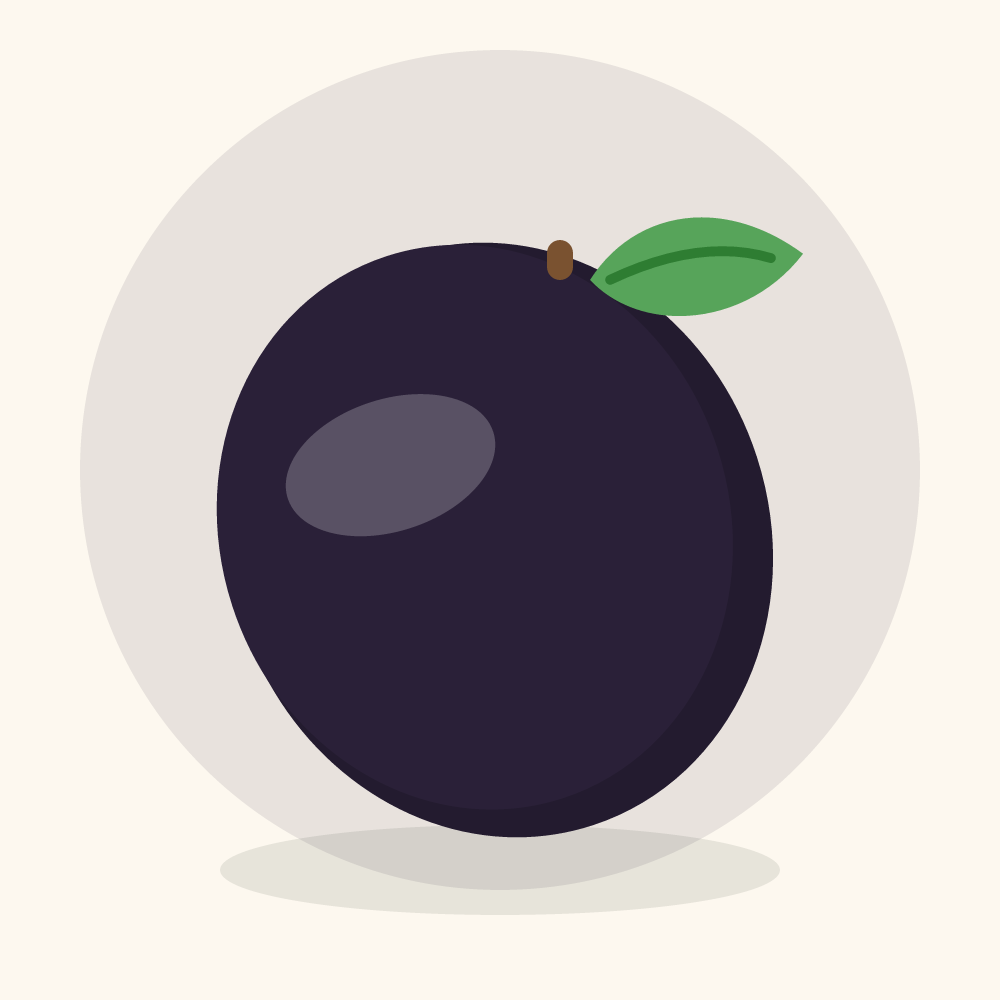
How do you eat african black plum? Eat the sweet ripe flesh off the stone fresh, or cook the pulp into a molasses-like sweetener; dry the surplus.
What does it taste like? Sweet and mild when ripe, with soft blue-black flesh tasting of prune, date, and a faint chocolate note around a hard stone; astringent before fully ripe, richly sweet after.
How to prepare & eat african black plum
Eat the sweet ripe flesh off the stone fresh, or cook the pulp into a molasses-like sweetener; dry the surplus.
Ways to eat & use it
- Eaten fresh when fully ripe, the sweet flesh nibbled off the stone
- Cooked into a thick, molasses-like sweetener and syrup
- Dried for the lean season; added to porridge and drinks
Pairs well with jackalberry, date, mobola plum.
What does african black plum taste like?
Sweet and mild when ripe, with soft blue-black flesh tasting of prune, date, and a faint chocolate note around a hard stone; astringent before fully ripe, richly sweet after.
Sensory & practical profile
Taste fingerprint
- Sweetness
- Tartness
- Aroma
- Juiciness
- Firmness
Approximate, at peak ripeness · 0–5
- Ripe when
- Fully blue-black and soft, often gathered ripe from the ground; unripe fruit is astringent.
- How to eat
- Eat the sweet ripe flesh off the stone fresh, or cook the pulp into a molasses-like sweetener; dry the surplus.
- Typical price
- Budget
The African black plum does double duty — its sweet ripe flesh is eaten like a date, and the pulp is cooked down into a thick, molasses-like natural sweetener, giving savanna cooks a wild source of concentrated sugar.
When it's in season, by region
| Region | Peak months |
|---|---|
| Africa | Mar–Jul across the savanna belt |
How to tell when african black plum is ripe
Fully blue-black and soft, often gathered ripe from the ground; unripe fruit is astringent.
How to store african black plum
A few days once ripe. The fruit dries well for storage, and the pulp is cooked into a molasses-like sweetener that keeps.
African black plum: frequently asked questions
What does african black plum taste like?
Sweet and mild when ripe, with soft blue-black flesh tasting of prune, date, and a faint chocolate note around a hard stone; astringent before fully ripe, richly sweet after.
When is african black plum in season?
African black plum is typically in season Africa (Mar–Jul across the savanna belt). Peak months shift between the northern and southern hemispheres.
How do you eat african black plum?
Eat the sweet ripe flesh off the stone fresh, or cook the pulp into a molasses-like sweetener; dry the surplus.
How do you know when african black plum is ripe?
Fully blue-black and soft, often gathered ripe from the ground; unripe fruit is astringent.
Is african black plum good for you?
African black plum is a nutritious everyday fruit, best enjoyed as part of a varied diet. It is a good source of fibre (about 4 g per 100 g), which supports digestion and satiety.
How much african black plum should you eat?
A typical fruit serving is roughly a handful, one medium fruit, or about 80 g, and two or more varied fruit servings a day is a sensible everyday pattern.
See the full african black plum profile — nutrition, season & more →