How to eat patawá
How to eat patawá, what it tastes like, and how to tell when it's ripe — a practical guide with Patawá's flavour, prep, and storage.
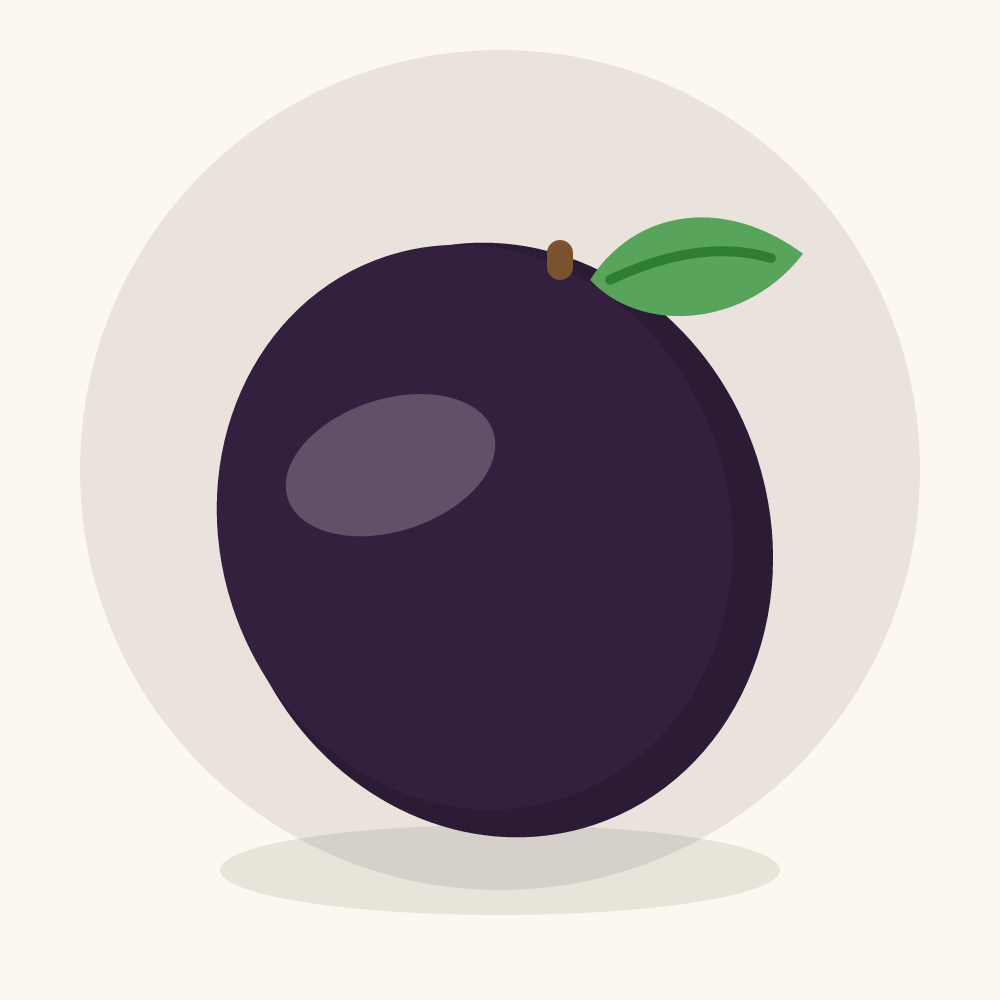
How do you eat patawá? Don't eat it dry — soak the fruit, extract the pulp, and drink it as a thick nourishing "milk," or use the pressed oil like olive oil.
What does it taste like? Rich, mild, and creamy — the thick purple drink is nutty and oily with faint chocolate notes, less tart than açaí; the thin pulp is scraped from a large seed and never eaten dry.
How to prepare & eat patawá
Don't eat it dry — soak the fruit, extract the pulp, and drink it as a thick nourishing "milk," or use the pressed oil like olive oil.
Ways to eat & use it
- Patawá "milk" or wine — the pulp softened, mashed, and strained into a thick nourishing drink
- Blended into juices, ice cream, and porridges
- The pulp pressed for a fine, olive-like edible oil
What does patawá taste like?
Rich, mild, and creamy — the thick purple drink is nutty and oily with faint chocolate notes, less tart than açaí; the thin pulp is scraped from a large seed and never eaten dry.
Sensory & practical profile
Taste fingerprint
- Sweetness
- Tartness
- Aroma
- Juiciness
- Firmness
Approximate, at peak ripeness · 0–5
- Ripe when
- The clustered fruit turns deep purple-black; it is soaked in warm water to soften before the pulp is scraped from the large seeds.
- How to eat
- Don't eat it dry — soak the fruit, extract the pulp, and drink it as a thick nourishing "milk," or use the pressed oil like olive oil.
- Typical price
- Budget
Patawá oil is so close to olive oil in composition — dominated by the same monounsaturated fats — that it has been seriously proposed as a substitute, making this Amazonian palm one of the finest wild oil sources in the world.
When it's in season, by region
| Region | Peak months |
|---|---|
| Latin America | Roughly Sep–Feb in the northern Amazon; varies across the basin |
How to tell when patawá is ripe
The clustered fruit turns deep purple-black; it is soaked in warm water to soften before the pulp is scraped from the large seeds.
How to store patawá
The fresh fruit is perishable and processed at once into pulp or oil; the pulp is used or frozen quickly, while the pressed oil keeps for a long time.
Patawá: frequently asked questions
What does patawá taste like?
Rich, mild, and creamy — the thick purple drink is nutty and oily with faint chocolate notes, less tart than açaí; the thin pulp is scraped from a large seed and never eaten dry.
When is patawá in season?
Patawá is typically in season Latin America (Roughly Sep–Feb in the northern Amazon; varies across the basin). Peak months shift between the northern and southern hemispheres.
How do you eat patawá?
Don't eat it dry — soak the fruit, extract the pulp, and drink it as a thick nourishing "milk," or use the pressed oil like olive oil.
How do you know when patawá is ripe?
The clustered fruit turns deep purple-black; it is soaked in warm water to soften before the pulp is scraped from the large seeds.
Is patawá good for you?
Patawá is a nutritious everyday fruit, best enjoyed as part of a varied diet. It is a good source of fibre (about 4 g per 100 g), which supports digestion and satiety. It is unusually rich in (mostly unsaturated) fat for a fruit — about 13 g per 100 g — making it energy-dense and satiating.
How much patawá should you eat?
A typical fruit serving is roughly a handful, one medium fruit, or about 80 g, and two or more varied fruit servings a day is a sensible everyday pattern. Because it is energy-dense, keep portions modest if you are watching blood sugar or weight — whole fruit's fibre softens the sugar hit, but juices and dried forms concentrate it and are easy to over-eat.