How to eat palmyra fruit
How to eat palmyra fruit, what it tastes like, and how to tell when it's ripe — a practical guide with Palmyra fruit's flavour, prep, and storage.
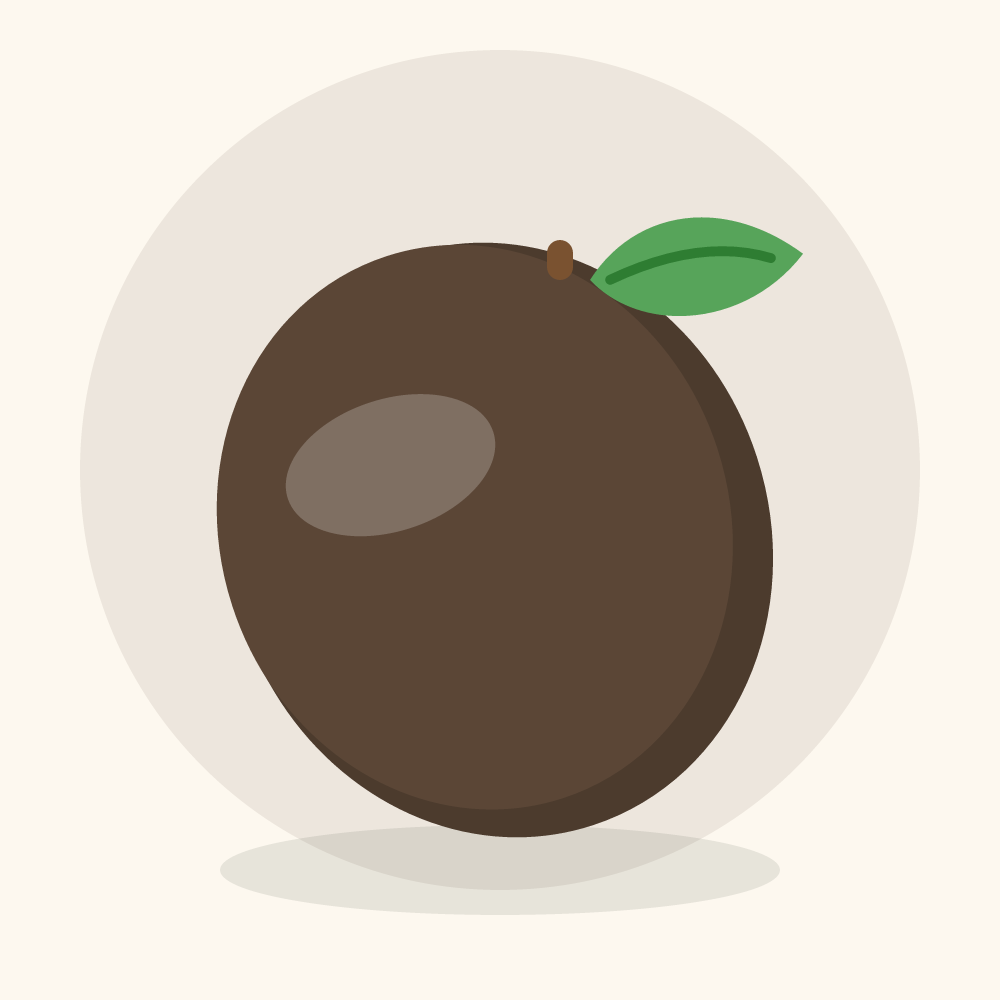
How do you eat palmyra fruit? Eat the chilled jelly seeds straight, like nature's lychee-jelly, or scoop and strain the ripe orange pulp for sweets and drinks.
What does it taste like? The tender jelly seeds are mild, subtly sweet, and coconut-water-like, with a soft, slippery, cooling texture; the ripe orange pulp is richer, sweeter, and fibrous, tasting of caramel and palm.
How to prepare & eat palmyra fruit
Eat the chilled jelly seeds straight, like nature's lychee-jelly, or scoop and strain the ripe orange pulp for sweets and drinks.
Ways to eat & use it
- Ice apple (nungu/tadgola) — tender jelly seeds eaten chilled as a summer cooler
- Ripe orange pulp in sweets, pancakes, and drinks (like Tamil panangkarkandu treats)
- Palm sap tapped for toddy and boiled into palm sugar (jaggery)
- The sprouted seed's crunchy heart eaten as a snack
Pairs well with coconut, date, sugar palm fruit.
What does palmyra fruit taste like?
The tender jelly seeds are mild, subtly sweet, and coconut-water-like, with a soft, slippery, cooling texture; the ripe orange pulp is richer, sweeter, and fibrous, tasting of caramel and palm.
Sensory & practical profile
Taste fingerprint
- Sweetness
- Tartness
- Aroma
- Juiciness
- Firmness
Approximate, at peak ripeness · 0–5
- Ripe when
- For ice apple, the young fruit's seeds are translucent, soft, and jelly-like; for the pulp, the whole fruit turns purple-black and fragrant.
- How to eat
- Eat the chilled jelly seeds straight, like nature's lychee-jelly, or scoop and strain the ripe orange pulp for sweets and drinks.
- Typical price
- Budget
A single palmyra palm feeds a household in a dozen ways — jelly-seed ice apples, fibrous ripe pulp, tapped toddy sap, palm sugar, and edible sprouts — which is why it's honored as a "tree of life" and named the state tree of Tamil Nadu.
When it's in season, by region
| Region | Peak months |
|---|---|
| South Asia | Apr–Jun (ice apple season, at the peak of the heat) |
How to tell when palmyra fruit is ripe
For ice apple, the young fruit's seeds are translucent, soft, and jelly-like; for the pulp, the whole fruit turns purple-black and fragrant.
How to store palmyra fruit
Tender jelly seeds last only a day or two even refrigerated and are best eaten immediately. Ripe pulp is used at once for sweets and drinks; palm sap must be processed quickly.
Palmyra fruit: frequently asked questions
What does palmyra fruit taste like?
The tender jelly seeds are mild, subtly sweet, and coconut-water-like, with a soft, slippery, cooling texture; the ripe orange pulp is richer, sweeter, and fibrous, tasting of caramel and palm.
When is palmyra fruit in season?
Palmyra fruit is typically in season South Asia (Apr–Jun (ice apple season, at the peak of the heat)). Peak months shift between the northern and southern hemispheres.
How do you eat palmyra fruit?
Eat the chilled jelly seeds straight, like nature's lychee-jelly, or scoop and strain the ripe orange pulp for sweets and drinks.
How do you know when palmyra fruit is ripe?
For ice apple, the young fruit's seeds are translucent, soft, and jelly-like; for the pulp, the whole fruit turns purple-black and fragrant.
Is palmyra fruit good for you?
Palmyra fruit is mostly water with natural sugars, a little fibre, and assorted micronutrients — a hydrating everyday addition to your overall fruit intake rather than a standout for any one nutrient.
How much palmyra fruit should you eat?
A typical fruit serving is roughly a handful, one medium fruit, or about 80 g, and two or more varied fruit servings a day is a sensible everyday pattern.
See the full palmyra fruit profile — nutrition, season & more →