How to eat nam-nam
How to eat nam-nam, what it tastes like, and how to tell when it's ripe — a practical guide with Nam-nam's flavour, prep, and storage.
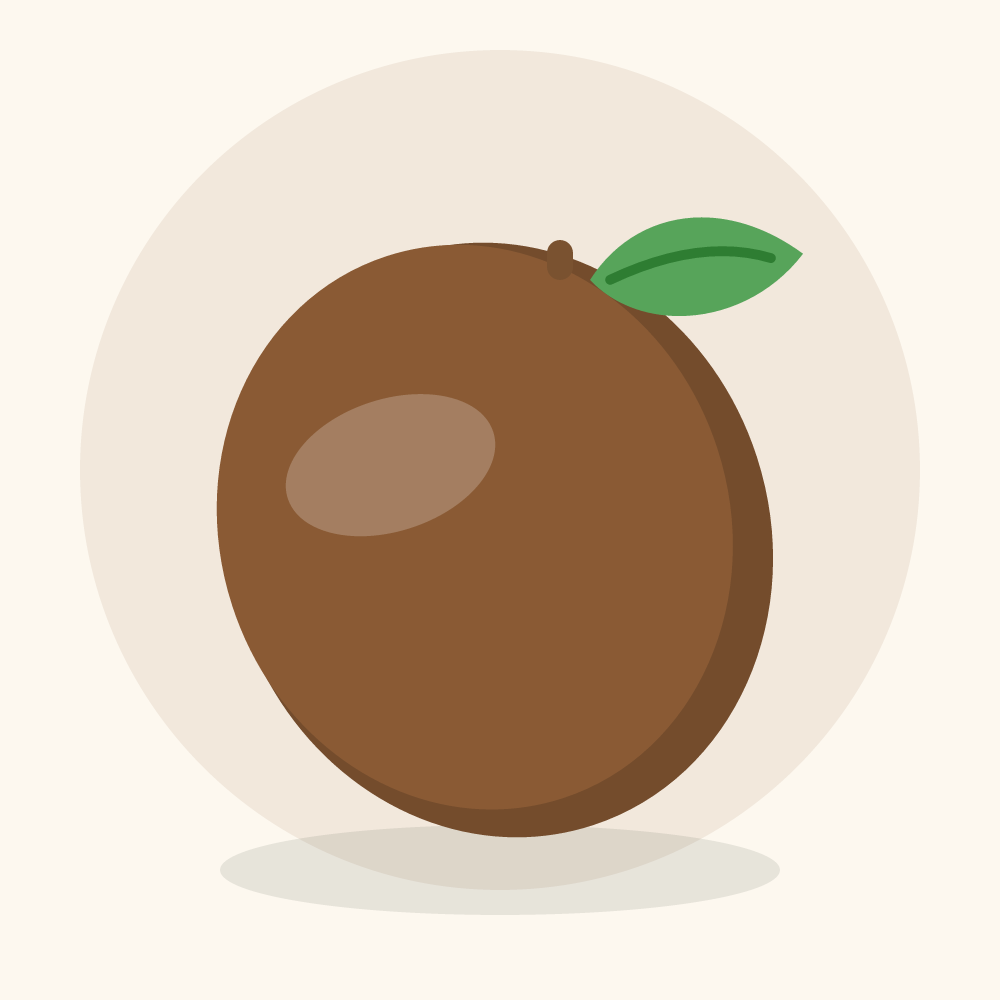
How do you eat nam-nam? Slice the crisp sour flesh and dip it in sugar, salt, and chili, toss it into rojak, or pickle and fry it — its tartness shines in savory uses.
What does it taste like? Sharply sour to sweet-sour and crisp when ripe, with firm, juicy, pale flesh and a single seed; refreshingly tart rather than lush, made for dipping in sugar, salt, and chili or turning into pickles.
How to prepare & eat nam-nam
Slice the crisp sour flesh and dip it in sugar, salt, and chili, toss it into rojak, or pickle and fry it — its tartness shines in savory uses.
Ways to eat & use it
- Eaten fresh, dipped in sugar, salt, and chili, or in rojak
- Pickled and made into acar and chutneys
- Sliced and fried into fritters, or cooked in sour curries and sambals
- Made into a tart syrup or drink
What does nam-nam taste like?
Sharply sour to sweet-sour and crisp when ripe, with firm, juicy, pale flesh and a single seed; refreshingly tart rather than lush, made for dipping in sugar, salt, and chili or turning into pickles.
Sensory & practical profile
Taste fingerprint
- Sweetness
- Tartness
- Aroma
- Juiciness
- Firmness
Approximate, at peak ripeness · 0–5
- Ripe when
- The wrinkled kidney-shaped pod fills out firm and glossy brown; riper fruit softens slightly and turns a little less sour.
- How to eat
- Slice the crisp sour flesh and dip it in sugar, salt, and chili, toss it into rojak, or pickle and fry it — its tartness shines in savory uses.
- Typical price
- Budget
Nam-nam grows cauliflorous — its wrinkled, kidney-shaped fruits sprout straight from the trunk and lowest branches, so a fruiting tree looks as though it has been studded with little brown brains.
When it's in season, by region
| Region | Peak months |
|---|---|
| Southeast Asia | Warm, wet months; often fruiting more than once a year |
How to tell when nam-nam is ripe
The wrinkled kidney-shaped pod fills out firm and glossy brown; riper fruit softens slightly and turns a little less sour.
How to store nam-nam
A few days at room temperature; refrigerate to extend. Often pickled or cooked soon after picking to make the sour fruit keep.
Nam-nam: frequently asked questions
What does nam-nam taste like?
Sharply sour to sweet-sour and crisp when ripe, with firm, juicy, pale flesh and a single seed; refreshingly tart rather than lush, made for dipping in sugar, salt, and chili or turning into pickles.
When is nam-nam in season?
Nam-nam is typically in season Southeast Asia (Warm, wet months; often fruiting more than once a year). Peak months shift between the northern and southern hemispheres.
How do you eat nam-nam?
Slice the crisp sour flesh and dip it in sugar, salt, and chili, toss it into rojak, or pickle and fry it — its tartness shines in savory uses.
How do you know when nam-nam is ripe?
The wrinkled kidney-shaped pod fills out firm and glossy brown; riper fruit softens slightly and turns a little less sour.
Is nam-nam good for you?
Nam-nam is mostly water with natural sugars, a little fibre, and assorted micronutrients — a hydrating everyday addition to your overall fruit intake rather than a standout for any one nutrient.
How much nam-nam should you eat?
A typical fruit serving is roughly a handful, one medium fruit, or about 80 g, and two or more varied fruit servings a day is a sensible everyday pattern.