How to eat mortiño
How to eat mortiño, what it tastes like, and how to tell when it's ripe — a practical guide with Mortiño's flavour, prep, and storage.
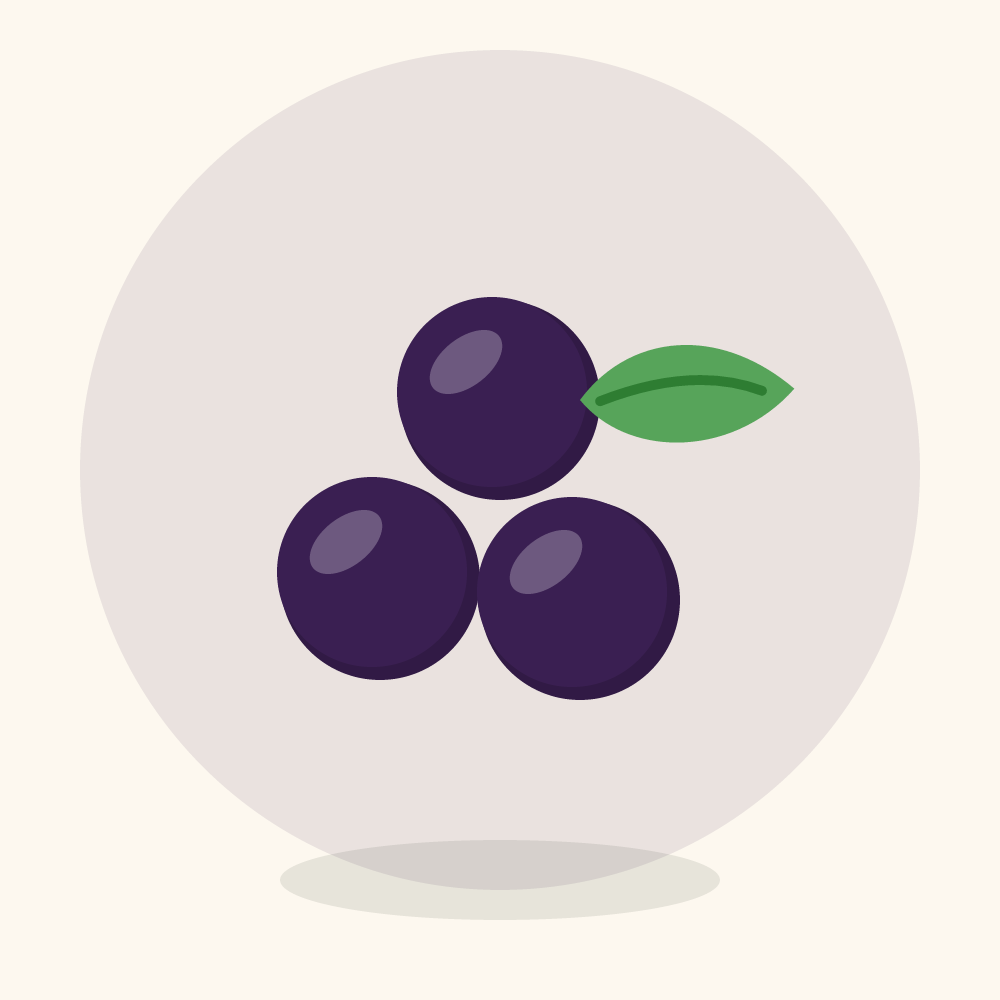
How do you eat mortiño? Eat fresh, or (traditionally) cook the wild-gathered berries into colada morada and jams; they freeze well for the season.
What does it taste like? Sweet-tart and aromatic, more intense and wild than a cultivated blueberry, with small dark blue-purple berries and a bright acidity; deeply flavored, ideal for the spiced drink it's famous for.
How to prepare & eat mortiño
Eat fresh, or (traditionally) cook the wild-gathered berries into colada morada and jams; they freeze well for the season.
Ways to eat & use it
- Colada morada — the spiced purple maize-and-fruit drink of Ecuador's Día de los Difuntos (Day of the Dead)
- Jams, sauces, and desserts
- Eaten fresh, or added to drinks
What does mortiño taste like?
Sweet-tart and aromatic, more intense and wild than a cultivated blueberry, with small dark blue-purple berries and a bright acidity; deeply flavored, ideal for the spiced drink it's famous for.
Sensory & practical profile
Taste fingerprint
- Sweetness
- Tartness
- Aroma
- Juiciness
- Firmness
Approximate, at peak ripeness · 0–5
- Ripe when
- Fully dark blue-purple and plump, ripening in the highland autumn around the Day of the Dead; reddish berries are underripe.
- How to eat
- Eat fresh, or (traditionally) cook the wild-gathered berries into colada morada and jams; they freeze well for the season.
- Typical price
- Everyday
Every November, Ecuadorians make colada morada — a warm, spiced purple drink — for the Day of the Dead, and its deep color and flavor come from the mortiño, a wild blueberry gathered from misty Andean slopes above 3,000 metres.
When it's in season, by region
| Region | Peak months |
|---|---|
| Latin America | Oct–Nov (Andean highlands), peaking for the Day of the Dead |
How to tell when mortiño is ripe
Fully dark blue-purple and plump, ripening in the highland autumn around the Day of the Dead; reddish berries are underripe.
How to store mortiño
A few days refrigerated; they freeze well and are gathered in quantity for making colada morada and preserves.
Mortiño: frequently asked questions
What does mortiño taste like?
Sweet-tart and aromatic, more intense and wild than a cultivated blueberry, with small dark blue-purple berries and a bright acidity; deeply flavored, ideal for the spiced drink it's famous for.
When is mortiño in season?
Mortiño is typically in season Latin America (Oct–Nov (Andean highlands), peaking for the Day of the Dead). Peak months shift between the northern and southern hemispheres.
How do you eat mortiño?
Eat fresh, or (traditionally) cook the wild-gathered berries into colada morada and jams; they freeze well for the season.
How do you know when mortiño is ripe?
Fully dark blue-purple and plump, ripening in the highland autumn around the Day of the Dead; reddish berries are underripe.
Is mortiño good for you?
Mortiño is a nutritious everyday fruit, best enjoyed as part of a varied diet. It is a good source of fibre (about 3.5 g per 100 g), which supports digestion and satiety. Its pigments and polyphenols are antioxidants that population studies associate with heart health, though that reflects overall diet rather than any single fruit.
How much mortiño should you eat?
A typical fruit serving is roughly a handful, one medium fruit, or about 80 g, and two or more varied fruit servings a day is a sensible everyday pattern.