How to eat mangrove apple
How to eat mangrove apple, what it tastes like, and how to tell when it's ripe — a practical guide with Mangrove apple's flavour, prep, and storage.
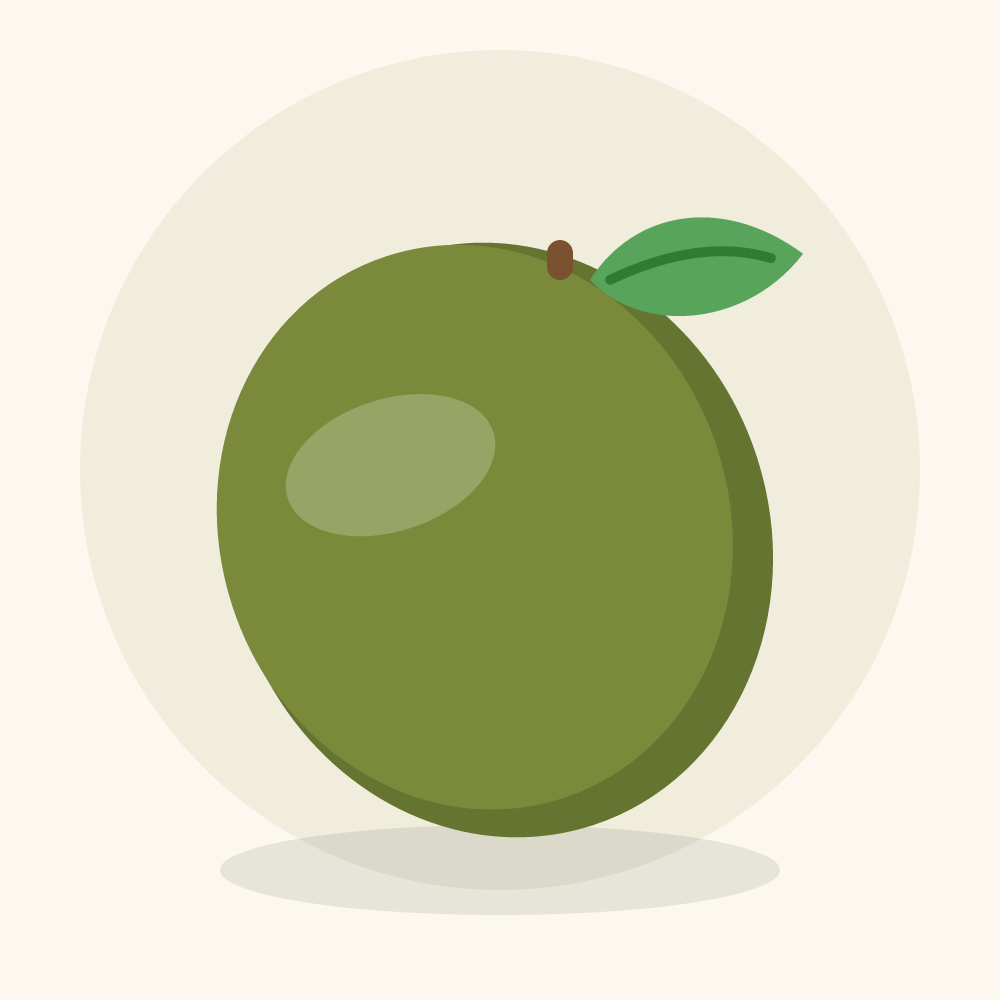
How do you eat mangrove apple? Don't eat it plain — blend the sour pulp into pedada juice and sherbet, or use it to sour soups like Vietnamese canh chua; eat green fruit with salt and chili.
What does it taste like? Sour and tangy with a soft, slightly cheesy-smelling green pulp and many small seeds; too sour for most raw, it becomes a fragrant, refreshing juice, sherbet, or souring agent when sweetened or cooked.
How to prepare & eat mangrove apple
Don't eat it plain — blend the sour pulp into pedada juice and sherbet, or use it to sour soups like Vietnamese canh chua; eat green fruit with salt and chili.
Ways to eat & use it
- Pedada juice and sherbet — the sour pulp blended, sweetened, and iced (popular in Indonesia)
- A souring agent in Vietnamese canh chua (sour soup) and other dishes
- Made into syrups, jams, and dodol (a sweet paste)
- Green fruit eaten with salt and chili
What does mangrove apple taste like?
Sour and tangy with a soft, slightly cheesy-smelling green pulp and many small seeds; too sour for most raw, it becomes a fragrant, refreshing juice, sherbet, or souring agent when sweetened or cooked.
Sensory & practical profile
Taste fingerprint
- Sweetness
- Tartness
- Aroma
- Juiciness
- Firmness
Approximate, at peak ripeness · 0–5
- Ripe when
- Full-sized and firm-to-slightly-soft with its star-shaped calyx; used sour, so judged by size and give rather than sweetness.
- How to eat
- Don't eat it plain — blend the sour pulp into pedada juice and sherbet, or use it to sour soups like Vietnamese canh chua; eat green fruit with salt and chili.
- Typical price
- Budget
The mangrove apple grows in tidal saltwater forests where few fruits can — and its sour, faintly cheese-scented pulp is the traditional souring agent in Vietnam's beloved canh chua sour soup and Indonesia's refreshing pedada juice.
When it's in season, by region
| Region | Peak months |
|---|---|
| Southeast Asia | Varies with the tides and rains; often mid-year |
How to tell when mangrove apple is ripe
Full-sized and firm-to-slightly-soft with its star-shaped calyx; used sour, so judged by size and give rather than sweetness.
How to store mangrove apple
A few days at room temperature; the pulp is used soon or frozen. Often pulped at once for juice and cooking.
Mangrove apple: frequently asked questions
What does mangrove apple taste like?
Sour and tangy with a soft, slightly cheesy-smelling green pulp and many small seeds; too sour for most raw, it becomes a fragrant, refreshing juice, sherbet, or souring agent when sweetened or cooked.
When is mangrove apple in season?
Mangrove apple is typically in season Southeast Asia (Varies with the tides and rains; often mid-year). Peak months shift between the northern and southern hemispheres.
How do you eat mangrove apple?
Don't eat it plain — blend the sour pulp into pedada juice and sherbet, or use it to sour soups like Vietnamese canh chua; eat green fruit with salt and chili.
How do you know when mangrove apple is ripe?
Full-sized and firm-to-slightly-soft with its star-shaped calyx; used sour, so judged by size and give rather than sweetness.
Is mangrove apple good for you?
Mangrove apple is a nutritious everyday fruit, best enjoyed as part of a varied diet. It is a good source of fibre (about 3 g per 100 g), which supports digestion and satiety. It is a good source of vitamin C (about 30 mg per 100 g), supporting immune function and helping the body absorb iron from plant foods. Its pigments and polyphenols are antioxidants that population studies associate with heart health, though that reflects overall diet rather than any single fruit.
How much mangrove apple should you eat?
A typical fruit serving is roughly a handful, one medium fruit, or about 80 g, and two or more varied fruit servings a day is a sensible everyday pattern.
See the full mangrove apple profile — nutrition, season & more →