How to eat macambo
How to eat macambo, what it tastes like, and how to tell when it's ripe — a practical guide with Macambo's flavour, prep, and storage.
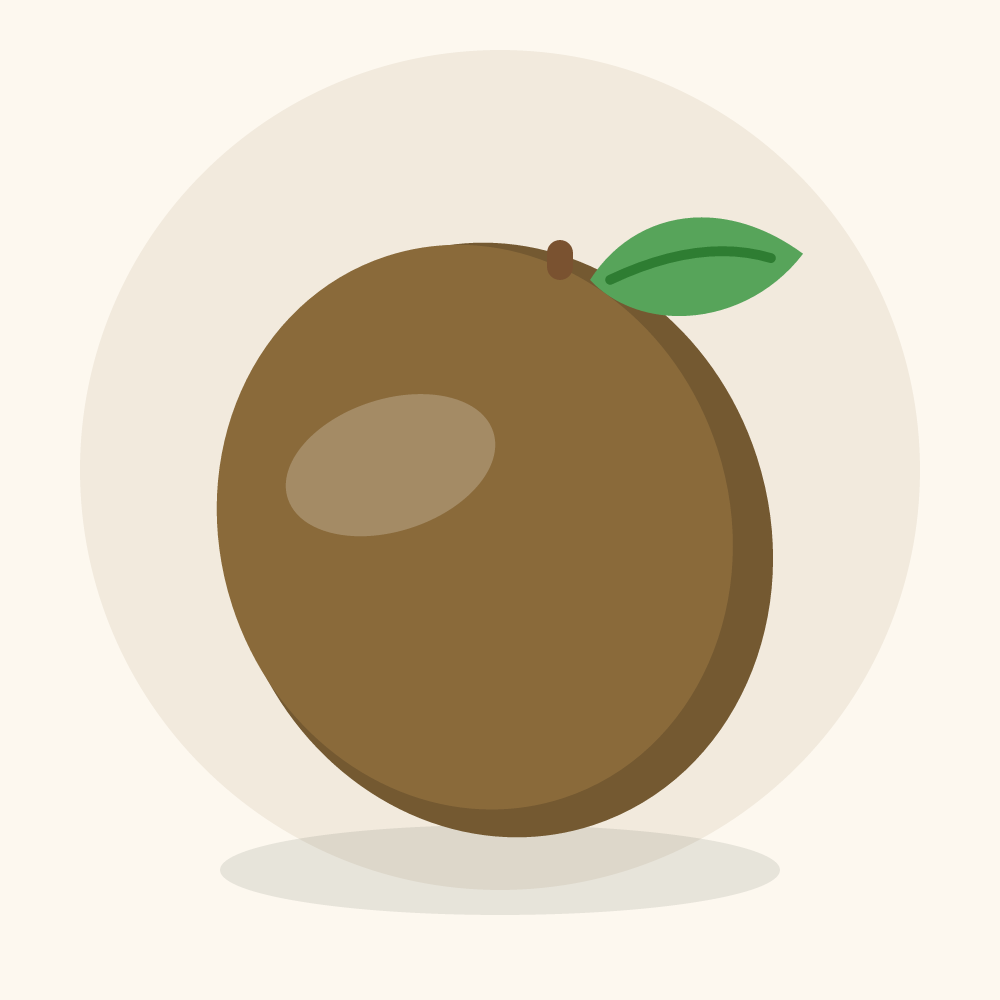
How do you eat macambo? Suck the sweet-tart white pulp off the seeds, then roast the big seeds and eat them like chestnuts or grind into nut butter.
What does it taste like? The white pulp is sweet-tart and aromatic like cacao pulp, with mango and floral notes; the large seeds, roasted, taste rich and nutty, somewhere between a peanut and a chestnut.
How to prepare & eat macambo
Suck the sweet-tart white pulp off the seeds, then roast the big seeds and eat them like chestnuts or grind into nut butter.
Ways to eat & use it
- White pulp sucked off the seeds or juiced, like cacao pulp
- Large seeds roasted and eaten like chestnuts or ground into a nut butter
- Seeds added to sweets and drinks; a growing Amazonian superfood export
What does macambo taste like?
The white pulp is sweet-tart and aromatic like cacao pulp, with mango and floral notes; the large seeds, roasted, taste rich and nutty, somewhere between a peanut and a chestnut.
Sensory & practical profile
Taste fingerprint
- Sweetness
- Tartness
- Aroma
- Juiciness
- Firmness
Approximate, at peak ripeness · 0–5
- Ripe when
- The large ridged pod colors brown-green and gives slightly; inside, the seeds are coated in plump sweet white pulp.
- How to eat
- Suck the sweet-tart white pulp off the seeds, then roast the big seeds and eat them like chestnuts or grind into nut butter.
- Typical price
- Everyday
Macambo is the cacao cousin you eat like a nut — its seeds are big enough to roast and snack on like chestnuts, a very different fate from the chocolate its relative becomes.
When it's in season, by region
| Region | Peak months |
|---|---|
| Latin America | Year-round, with harvest peaks by region |
How to tell when macambo is ripe
The large ridged pod colors brown-green and gives slightly; inside, the seeds are coated in plump sweet white pulp.
How to store macambo
The hard pod keeps a week or two; the pulp is eaten or juiced soon after opening, and the seeds dried and roasted, keeping for months like nuts.
Macambo: frequently asked questions
What does macambo taste like?
The white pulp is sweet-tart and aromatic like cacao pulp, with mango and floral notes; the large seeds, roasted, taste rich and nutty, somewhere between a peanut and a chestnut.
When is macambo in season?
Macambo is typically in season Latin America (Year-round, with harvest peaks by region). Peak months shift between the northern and southern hemispheres.
How do you eat macambo?
Suck the sweet-tart white pulp off the seeds, then roast the big seeds and eat them like chestnuts or grind into nut butter.
How do you know when macambo is ripe?
The large ridged pod colors brown-green and gives slightly; inside, the seeds are coated in plump sweet white pulp.
Is macambo good for you?
Macambo is a nutritious everyday fruit, best enjoyed as part of a varied diet. It is a good source of fibre (about 5 g per 100 g), which supports digestion and satiety.
How much macambo should you eat?
A typical fruit serving is roughly a handful, one medium fruit, or about 80 g, and two or more varied fruit servings a day is a sensible everyday pattern.