How to eat gowok
How to eat gowok, what it tastes like, and how to tell when it's ripe — a practical guide with Gowok's flavour, prep, and storage.
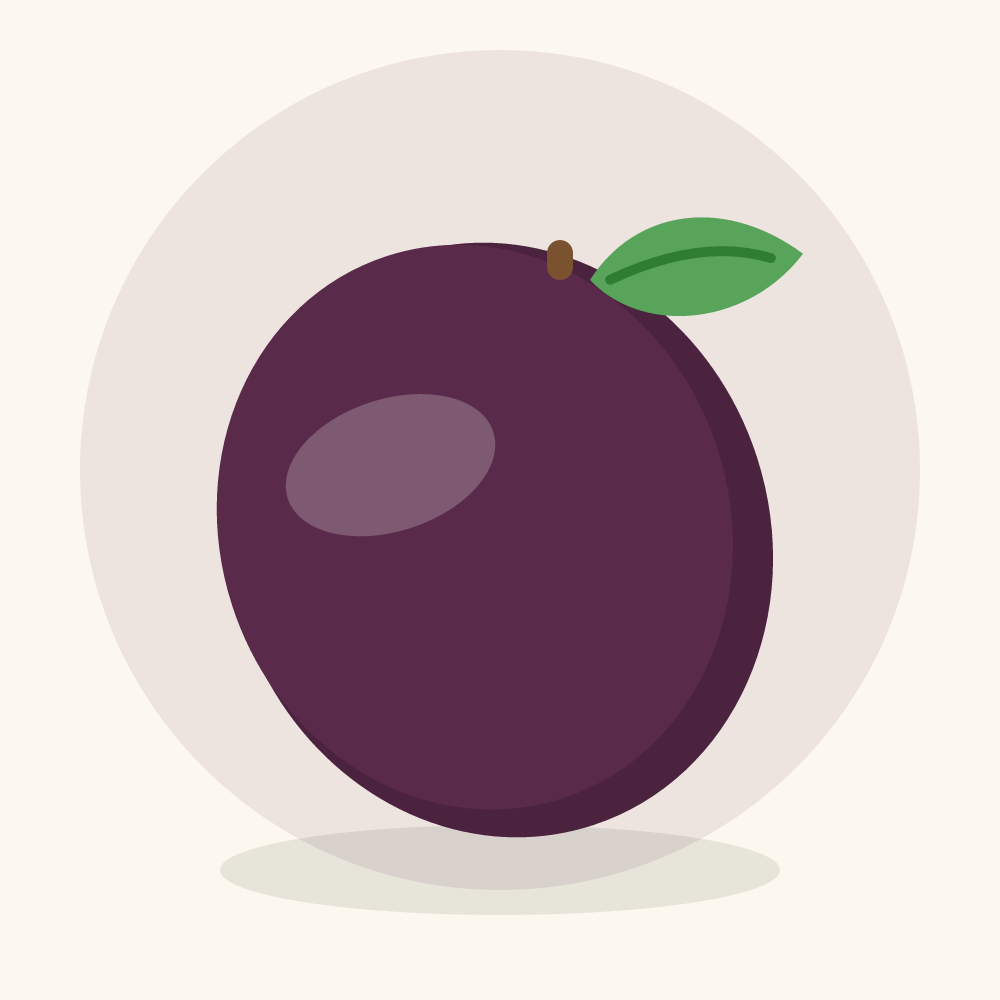
How do you eat gowok? Eat the juicy ripe fruit fresh around the seeds, or slice it into rujak with salt and chili.
What does it taste like? Sweet-tart and juicy with a soft, purple-red flesh and a mild astringency that grips the mouth a little; refreshing and grape-like, with one or two seeds, in a fruit best eaten fresh and ripe.
How to prepare & eat gowok
Eat the juicy ripe fruit fresh around the seeds, or slice it into rujak with salt and chili.
Ways to eat & use it
- Eaten fresh, the juicy flesh around the seeds
- Sliced into rujak (spicy fruit salad) and eaten with salt and chili
- Made into juices, syrups, and preserves
Pairs well with duhat, wax apple, rose apple.
What does gowok taste like?
Sweet-tart and juicy with a soft, purple-red flesh and a mild astringency that grips the mouth a little; refreshing and grape-like, with one or two seeds, in a fruit best eaten fresh and ripe.
Sensory & practical profile
Taste fingerprint
- Sweetness
- Tartness
- Aroma
- Juiciness
- Firmness
Approximate, at peak ripeness · 0–5
- Ripe when
- Clusters turn deep purple-red and give slightly with a sweet smell; pink fruit is more astringent.
- How to eat
- Eat the juicy ripe fruit fresh around the seeds, or slice it into rujak with salt and chili.
- Typical price
- Budget
Like the jamun and many tropical Syzygium, the gowok fruits cauliflorously — its clusters of purple-red fruit sprout straight from the trunk and old branches, so a fruiting tree looks studded with grapes.
When it's in season, by region
| Region | Peak months |
|---|---|
| Southeast Asia | Roughly Oct–Jan in Java |
How to tell when gowok is ripe
Clusters turn deep purple-red and give slightly with a sweet smell; pink fruit is more astringent.
How to store gowok
A few days refrigerated — soft and perishable. Best eaten fresh soon after picking, or made into rujak and drinks.
Gowok: frequently asked questions
What does gowok taste like?
Sweet-tart and juicy with a soft, purple-red flesh and a mild astringency that grips the mouth a little; refreshing and grape-like, with one or two seeds, in a fruit best eaten fresh and ripe.
When is gowok in season?
Gowok is typically in season Southeast Asia (Roughly Oct–Jan in Java). Peak months shift between the northern and southern hemispheres.
How do you eat gowok?
Eat the juicy ripe fruit fresh around the seeds, or slice it into rujak with salt and chili.
How do you know when gowok is ripe?
Clusters turn deep purple-red and give slightly with a sweet smell; pink fruit is more astringent.
Is gowok good for you?
Gowok is a nutritious everyday fruit, best enjoyed as part of a varied diet. Its pigments and polyphenols are antioxidants that population studies associate with heart health, though that reflects overall diet rather than any single fruit.
How much gowok should you eat?
A typical fruit serving is roughly a handful, one medium fruit, or about 80 g, and two or more varied fruit servings a day is a sensible everyday pattern.