How to eat governor's plum
How to eat governor's plum, what it tastes like, and how to tell when it's ripe — a practical guide with Governor's plum's flavour, prep, and storage.
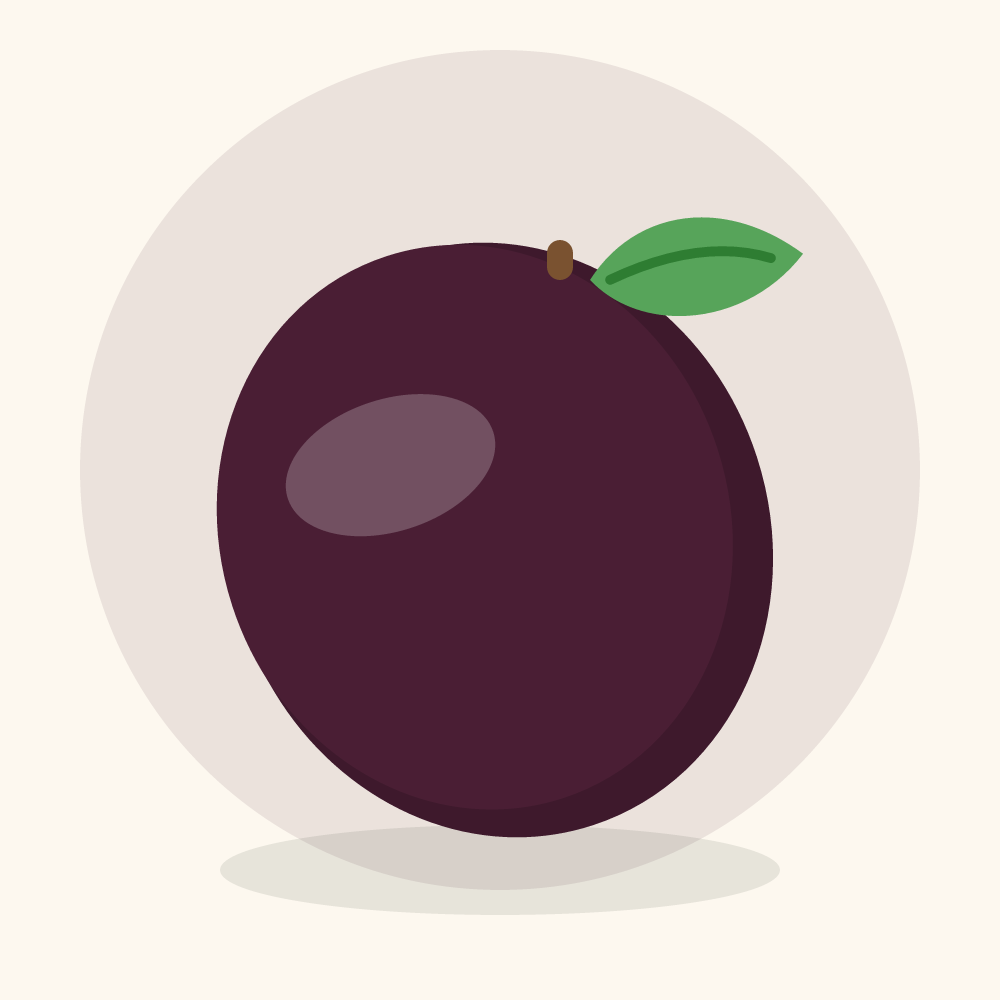
How do you eat governor's plum? Eat dead-ripe out of hand (mind the small flat seeds), softening it first by rolling; cook firmer fruit into jam and jelly.
What does it taste like? Sweet-tart and juicy when dead-ripe, with a plum-like flesh and several small flat seeds; underripe fruit is astringent and puckering, so timing matters.
How to prepare & eat governor's plum
Eat dead-ripe out of hand (mind the small flat seeds), softening it first by rolling; cook firmer fruit into jam and jelly.
Ways to eat & use it
- Eaten fresh when fully ripe, rolled between the palms to soften first
- Jam, jelly, and preserves (a common use across Africa and Asia)
- Juices, wines, and pickles
- Underripe fruit stewed with sugar
What does governor's plum taste like?
Sweet-tart and juicy when dead-ripe, with a plum-like flesh and several small flat seeds; underripe fruit is astringent and puckering, so timing matters.
Sensory & practical profile
Taste fingerprint
- Sweetness
- Tartness
- Aroma
- Juiciness
- Firmness
Approximate, at peak ripeness · 0–5
- Ripe when
- Deep purple-black, soft, and slightly wrinkled; a common trick is to roll the fruit between the palms to reduce astringency before eating.
- How to eat
- Eat dead-ripe out of hand (mind the small flat seeds), softening it first by rolling; cook firmer fruit into jam and jelly.
- Typical price
- Budget
A traditional trick for the governor's plum is to roll the ripe fruit gently between your palms before eating — bruising the flesh a little tames its astringency and brings out the sweetness.
When it's in season, by region
| Region | Peak months |
|---|---|
| Africa | Varies with the rains; often May–Sep |
| South Asia | Jun–Sep |
How to tell when governor's plum is ripe
Deep purple-black, soft, and slightly wrinkled; a common trick is to roll the fruit between the palms to reduce astringency before eating.
How to store governor's plum
A few days at room temperature once ripe. Highly perishable when soft; cook the surplus into jam and jelly, which keep for months.
Governor's plum: frequently asked questions
What does governor's plum taste like?
Sweet-tart and juicy when dead-ripe, with a plum-like flesh and several small flat seeds; underripe fruit is astringent and puckering, so timing matters.
When is governor's plum in season?
Governor's plum is typically in season Africa (Varies with the rains; often May–Sep); South Asia (Jun–Sep). Peak months shift between the northern and southern hemispheres.
How do you eat governor's plum?
Eat dead-ripe out of hand (mind the small flat seeds), softening it first by rolling; cook firmer fruit into jam and jelly.
How do you know when governor's plum is ripe?
Deep purple-black, soft, and slightly wrinkled; a common trick is to roll the fruit between the palms to reduce astringency before eating.
Is governor's plum good for you?
Governor's plum is a nutritious everyday fruit, best enjoyed as part of a varied diet. Its pigments and polyphenols are antioxidants that population studies associate with heart health, though that reflects overall diet rather than any single fruit.
How much governor's plum should you eat?
A typical fruit serving is roughly a handful, one medium fruit, or about 80 g, and two or more varied fruit servings a day is a sensible everyday pattern.
See the full governor's plum profile — nutrition, season & more →