How to eat davidson plum
How to eat davidson plum, what it tastes like, and how to tell when it's ripe — a practical guide with Davidson plum's flavour, prep, and storage.
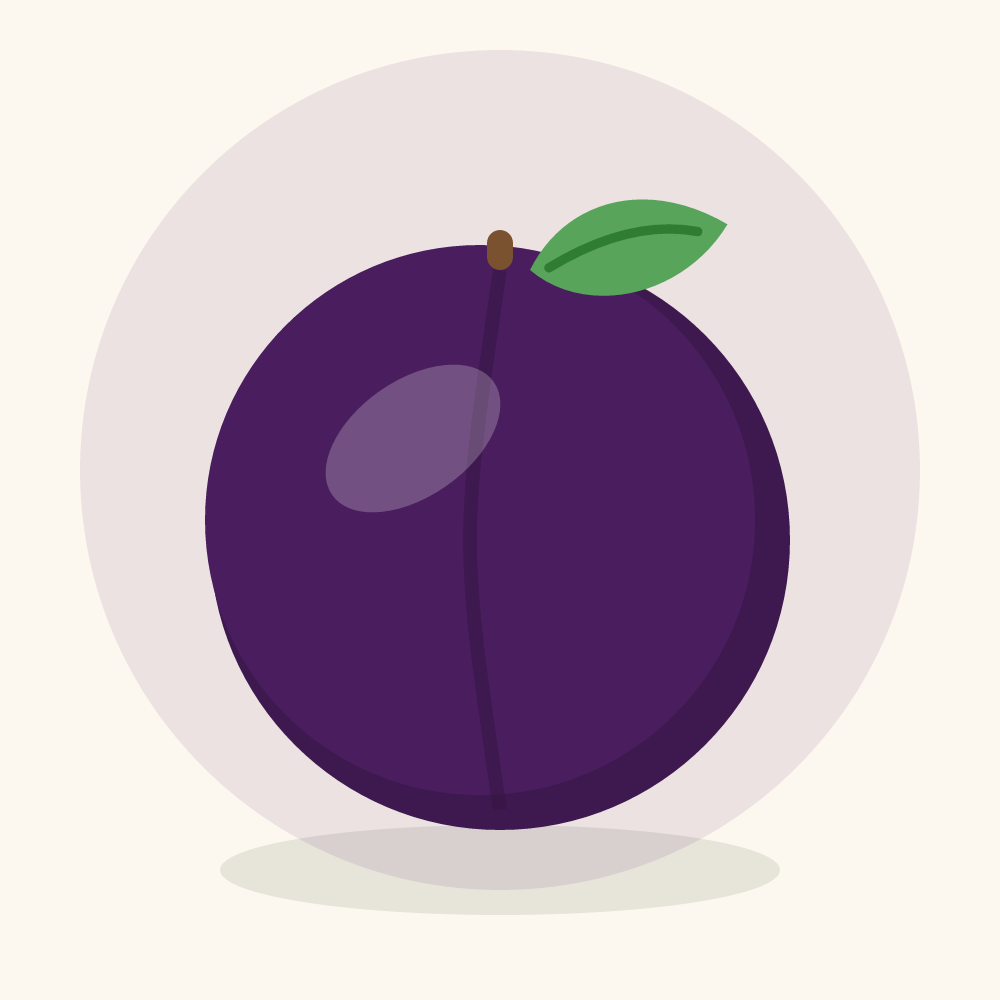
How do you eat davidson plum? Not out of hand unless you enjoy pain — halve, discard the two flat stones, and cook with sugar into jam, sauce, or syrup.
What does it taste like? Electrically sour and lightly bitter with plum-skin and rosella notes — almost no sugar, huge aroma.
How to prepare & eat davidson plum
Not out of hand unless you enjoy pain — halve, discard the two flat stones, and cook with sugar into jam, sauce, or syrup.
Ways to eat & use it
- Jams, coulis, and glazes that come out a spectacular magenta
- Sauces for kangaroo, duck, and pork — the native answer to cranberry sauce
- Davidson plum gin, syrups, and shrubs
- Powdered as a souring, coloring spice in modern Australian kitchens
What does davidson plum taste like?
Electrically sour and lightly bitter with plum-skin and rosella notes — almost no sugar, huge aroma. Cooked with sweetness it turns deep, winey, and complex.
Sensory & practical profile
Taste fingerprint
- Sweetness
- Tartness
- Aroma
- Juiciness
- Firmness
Approximate, at peak ripeness · 0–5
- Ripe when
- Blue-black, bloom-dusted, and dropping from the trunk almost liquid-soft — ripeness here means ready to cook, not sweet.
- How to eat
- Not out of hand unless you enjoy pain — halve, discard the two flat stones, and cook with sugar into jam, sauce, or syrup.
- Typical price
- Premium
The fruit grows straight off the trunk under fuzzy leaves that can irritate bare skin — pickers learn quickly why the species name is "pruriens" (itch-inducing).
When it's in season, by region
| Region | Peak months |
|---|---|
| Oceania | Dec–Mar (Queensland pruriens); Nov–Jan for the NSW species |
How to tell when davidson plum is ripe
Blue-black, bloom-dusted, and dropping from the trunk almost liquid-soft — ripeness here means ready to cook, not sweet.
How to store davidson plum
Only days fresh — the ripe fruit drops from the trunk ready to collapse. Freeze whole or halved; the pigment and tartness survive beautifully, which is why the industry runs on frozen fruit.
Recipes & combinations with davidson plum
Davidson plum: frequently asked questions
What does davidson plum taste like?
Electrically sour and lightly bitter with plum-skin and rosella notes — almost no sugar, huge aroma. Cooked with sweetness it turns deep, winey, and complex.
When is davidson plum in season?
Davidson plum is typically in season Oceania (Dec–Mar (Queensland pruriens); Nov–Jan for the NSW species). Peak months shift between the northern and southern hemispheres.
How do you eat davidson plum?
Not out of hand unless you enjoy pain — halve, discard the two flat stones, and cook with sugar into jam, sauce, or syrup.
How do you know when davidson plum is ripe?
Blue-black, bloom-dusted, and dropping from the trunk almost liquid-soft — ripeness here means ready to cook, not sweet.
Is davidson plum good for you?
Davidson plum is a nutritious everyday fruit, best enjoyed as part of a varied diet. It is a good source of fibre (about 3.5 g per 100 g), which supports digestion and satiety. Its pigments and polyphenols are antioxidants that population studies associate with heart health, though that reflects overall diet rather than any single fruit.
How much davidson plum should you eat?
A typical fruit serving is roughly a handful, one medium fruit, or about 80 g, and two or more varied fruit servings a day is a sensible everyday pattern.
See the full davidson plum profile — nutrition, season & more →