How to eat dabai
How to eat dabai, what it tastes like, and how to tell when it's ripe — a practical guide with Dabai's flavour, prep, and storage.
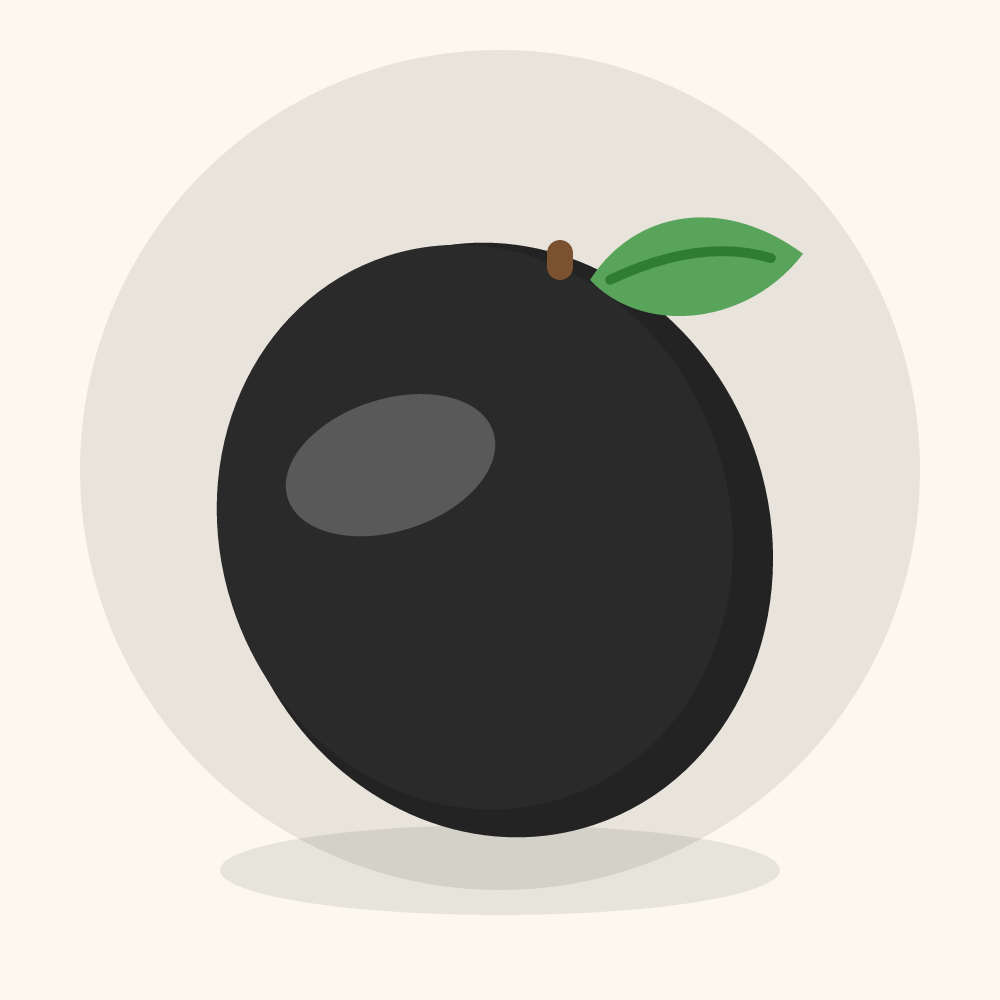
How do you eat dabai? Soak in warm (not boiling) water for a few minutes until the flesh softens to avocado texture, then eat it off the stone with soy sauce and rice.
What does it taste like? Savory and rich, tasting of avocado and olive with a buttery, oily texture once softened; not sweet at all, it's a savory fruit eaten with salt, soy sauce, or sugar depending on the eater, around a hard stone.
How to prepare & eat dabai
Soak in warm (not boiling) water for a few minutes until the flesh softens to avocado texture, then eat it off the stone with soy sauce and rice.
Ways to eat & use it
- Softened in warm (not boiling) water, then eaten with soy sauce and rice — the classic Sarawak way
- Mashed into a savory spread, or fried with rice
- Pressed for its rich cooking oil
- Some eat it with sugar or salt to taste
Pairs well with avocado, safou, tropical almond.
What does dabai taste like?
Savory and rich, tasting of avocado and olive with a buttery, oily texture once softened; not sweet at all, it's a savory fruit eaten with salt, soy sauce, or sugar depending on the eater, around a hard stone.
Sensory & practical profile
Taste fingerprint
- Sweetness
- Tartness
- Aroma
- Juiciness
- Firmness
Approximate, at peak ripeness · 0–5
- Ripe when
- Deep glossy black, plump, and firm — but it's inedibly hard until softened; ripeness means fully black and heavy.
- How to eat
- Soak in warm (not boiling) water for a few minutes until the flesh softens to avocado texture, then eat it off the stone with soy sauce and rice.
- Typical price
- Premium
Dabai is nicknamed the "Sibu olive," and its fans in Sarawak so prize the short season that fresh fruit can sell for eye-watering prices — one crucial rule: soak it in warm water, never boiling, or the rich flesh turns hard instead of soft.
When it's in season, by region
| Region | Peak months |
|---|---|
| Southeast Asia | Roughly Jun–Oct (Sarawak), a short and prized season |
How to tell when dabai is ripe
Deep glossy black, plump, and firm — but it's inedibly hard until softened; ripeness means fully black and heavy.
How to store dabai
A few days refrigerated fresh; it must be softened just before eating. The season is short and the fruit doesn't travel, so it's mostly eaten locally, though some is frozen or made into oil.
Dabai: frequently asked questions
What does dabai taste like?
Savory and rich, tasting of avocado and olive with a buttery, oily texture once softened; not sweet at all, it's a savory fruit eaten with salt, soy sauce, or sugar depending on the eater, around a hard stone.
When is dabai in season?
Dabai is typically in season Southeast Asia (Roughly Jun–Oct (Sarawak), a short and prized season). Peak months shift between the northern and southern hemispheres.
How do you eat dabai?
Soak in warm (not boiling) water for a few minutes until the flesh softens to avocado texture, then eat it off the stone with soy sauce and rice.
How do you know when dabai is ripe?
Deep glossy black, plump, and firm — but it's inedibly hard until softened; ripeness means fully black and heavy.
Is dabai good for you?
Dabai is a nutritious everyday fruit, best enjoyed as part of a varied diet. It is a good source of fibre (about 4 g per 100 g), which supports digestion and satiety. It is unusually rich in (mostly unsaturated) fat for a fruit — about 18 g per 100 g — making it energy-dense and satiating.
How much dabai should you eat?
A typical fruit serving is roughly a handful, one medium fruit, or about 80 g, and two or more varied fruit servings a day is a sensible everyday pattern. Because it is energy-dense, keep portions modest if you are watching blood sugar or weight — whole fruit's fibre softens the sugar hit, but juices and dried forms concentrate it and are easy to over-eat.