How to eat capulí
How to eat capulí, what it tastes like, and how to tell when it's ripe — a practical guide with Capulí's flavour, prep, and storage.
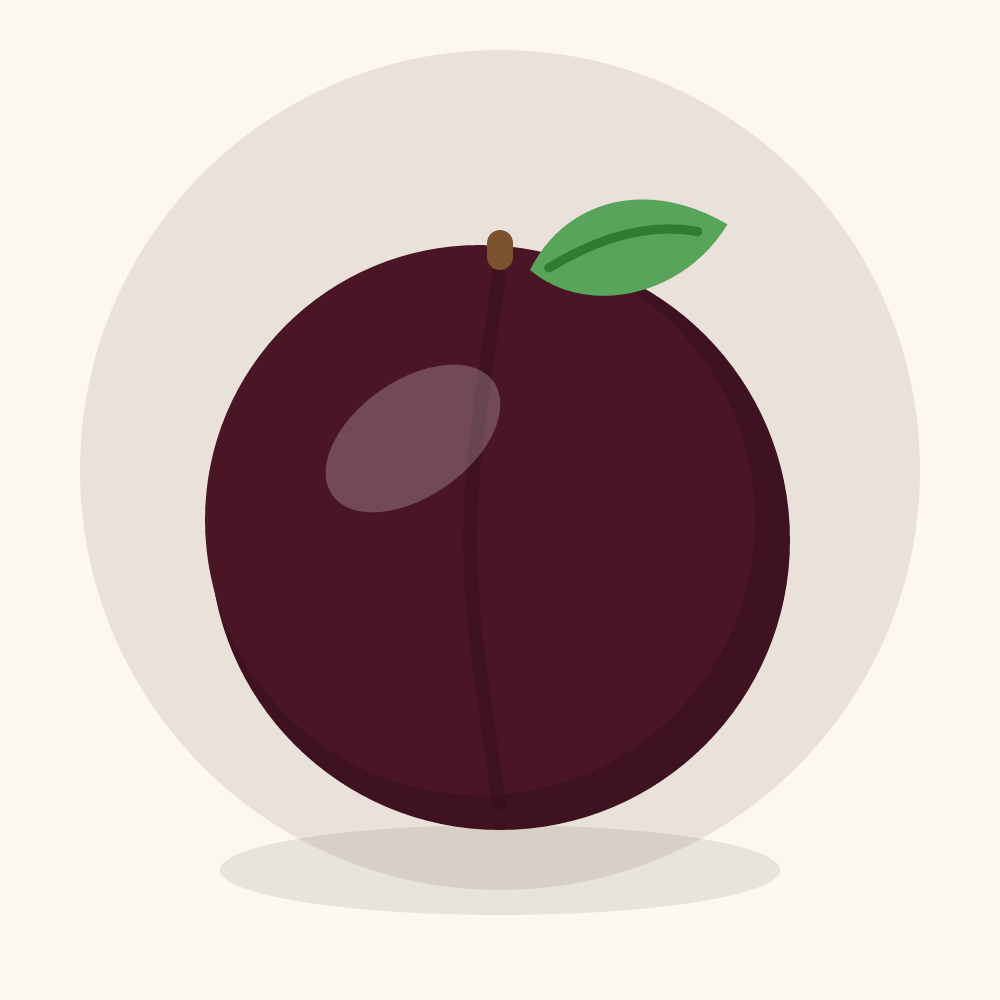
How do you eat capulí? Eat fresh like a small cherry, spitting the pit (never eat the pits), or cook into jams, atole, and fermented chicha.
What does it taste like? Sweet with a mild tartness and a subtle bitter-almond note in the skin and around the pit; the dark red-black flesh is juicy and cherry-like, with a single stone.
How to prepare & eat capulí
Eat fresh like a small cherry, spitting the pit (never eat the pits), or cook into jams, atole, and fermented chicha.
Ways to eat & use it
- Eaten fresh out of hand, spitting the pit
- Capulín drinks, atole, and tamales in Mexico
- Jams, jellies, and fermented chicha in the Andes
- Pies and preserves
Pairs well with cherry, saskatoon berry, chokecherry.
What does capulí taste like?
Sweet with a mild tartness and a subtle bitter-almond note in the skin and around the pit; the dark red-black flesh is juicy and cherry-like, with a single stone.
Sensory & practical profile
Taste fingerprint
- Sweetness
- Tartness
- Aroma
- Juiciness
- Firmness
Approximate, at peak ripeness · 0–5
- Ripe when
- Deep glossy red-black and slightly soft; pale or bright-red fruit is still astringent.
- How to eat
- Eat fresh like a small cherry, spitting the pit (never eat the pits), or cook into jams, atole, and fermented chicha.
- Typical price
- Budget
The capulí is a highland cousin of North America's wild black cherry, carried up into the Andes and Mexican sierras where it has been a dooryard fruit since long before the Spanish arrived.
When it's in season, by region
| Region | Peak months |
|---|---|
| Latin America | Jun–Sep in the Andes; late summer in highland Mexico |
How to tell when capulí is ripe
Deep glossy red-black and slightly soft; pale or bright-red fruit is still astringent.
How to store capulí
A few days at room temperature, up to a week refrigerated. Highly perishable when soft; make into jam, drinks, or preserves quickly.
Compare capulí with other fruits
Capulí: frequently asked questions
What does capulí taste like?
Sweet with a mild tartness and a subtle bitter-almond note in the skin and around the pit; the dark red-black flesh is juicy and cherry-like, with a single stone.
When is capulí in season?
Capulí is typically in season Latin America (Jun–Sep in the Andes; late summer in highland Mexico). Peak months shift between the northern and southern hemispheres.
How do you eat capulí?
Eat fresh like a small cherry, spitting the pit (never eat the pits), or cook into jams, atole, and fermented chicha.
How do you know when capulí is ripe?
Deep glossy red-black and slightly soft; pale or bright-red fruit is still astringent.
Is capulí good for you?
Capulí is a nutritious everyday fruit, best enjoyed as part of a varied diet. Its pigments and polyphenols are antioxidants that population studies associate with heart health, though that reflects overall diet rather than any single fruit.
How much capulí should you eat?
A typical fruit serving is roughly a handful, one medium fruit, or about 80 g, and two or more varied fruit servings a day is a sensible everyday pattern.