How to eat bolwarra
How to eat bolwarra, what it tastes like, and how to tell when it's ripe — a practical guide with Bolwarra's flavour, prep, and storage.
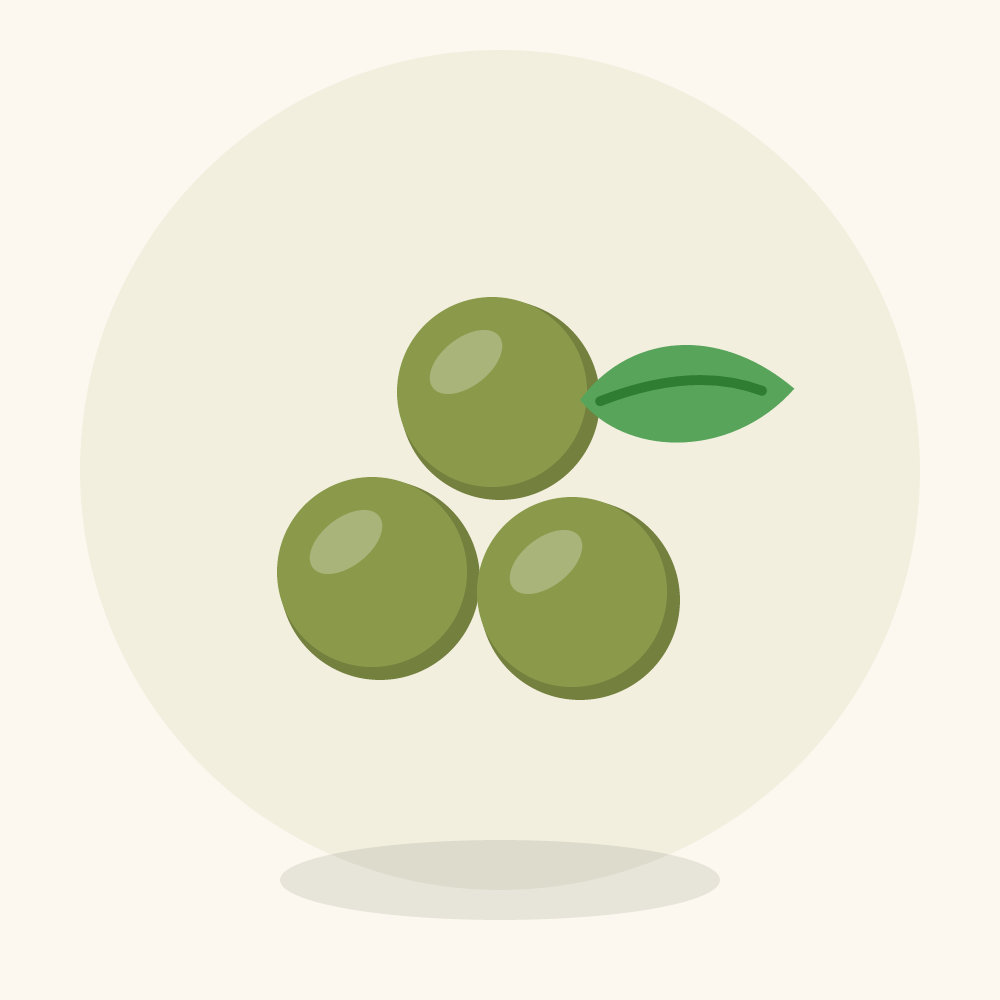
How do you eat bolwarra? Scoop the sweet, aromatic jelly-like pulp from the ripe urn and eat it fresh (spit the seeds), or make it into jam and native-food flavorings.
What does it taste like? Sweet and aromatic with soft, jelly-like pale flesh tasting of guava, pear, and a warm spice; the small urn-shaped fruit yellows when ripe and holds many small, inedible seeds.
How to prepare & eat bolwarra
Scoop the sweet, aromatic jelly-like pulp from the ripe urn and eat it fresh (spit the seeds), or make it into jam and native-food flavorings.
Ways to eat & use it
- Eaten fresh, the sweet jelly-like pulp scooped from the urn (seeds spat out)
- Made into jams, sauces, and desserts
- Dried and crushed as an aromatic spice-flavoring in native-food cooking
- Added to beverages and jellies
Pairs well with guava, riberry, lemon aspen.
What does bolwarra taste like?
Sweet and aromatic with soft, jelly-like pale flesh tasting of guava, pear, and a warm spice; the small urn-shaped fruit yellows when ripe and holds many small, inedible seeds.
Sensory & practical profile
Taste fingerprint
- Sweetness
- Tartness
- Aroma
- Juiciness
- Firmness
Approximate, at peak ripeness · 0–5
- Ripe when
- The urn-shaped fruit ripens from green to yellow and softens with a sweet, guava-pear aroma; green fruit is unripe.
- How to eat
- Scoop the sweet, aromatic jelly-like pulp from the ripe urn and eat it fresh (spit the seeds), or make it into jam and native-food flavorings.
- Typical price
- Premium
The bolwarra comes from one of the most ancient flowering-plant families still alive — a botanical living fossil pollinated by weevils — yet its little urn-shaped fruit tastes cheerfully modern, sweet and aromatic like a spiced guava.
When it's in season, by region
| Region | Peak months |
|---|---|
| Oceania | Dec–Apr (eastern Australia) |
How to tell when bolwarra is ripe
The urn-shaped fruit ripens from green to yellow and softens with a sweet, guava-pear aroma; green fruit is unripe.
How to store bolwarra
A few days refrigerated — soft and perishable. Eaten fresh soon after ripening, or made into jam and used as a flavoring.
Bolwarra: frequently asked questions
What does bolwarra taste like?
Sweet and aromatic with soft, jelly-like pale flesh tasting of guava, pear, and a warm spice; the small urn-shaped fruit yellows when ripe and holds many small, inedible seeds.
When is bolwarra in season?
Bolwarra is typically in season Oceania (Dec–Apr (eastern Australia)). Peak months shift between the northern and southern hemispheres.
How do you eat bolwarra?
Scoop the sweet, aromatic jelly-like pulp from the ripe urn and eat it fresh (spit the seeds), or make it into jam and native-food flavorings.
How do you know when bolwarra is ripe?
The urn-shaped fruit ripens from green to yellow and softens with a sweet, guava-pear aroma; green fruit is unripe.
Is bolwarra good for you?
Bolwarra is a nutritious everyday fruit, best enjoyed as part of a varied diet. It is a good source of fibre (about 3 g per 100 g), which supports digestion and satiety.
How much bolwarra should you eat?
A typical fruit serving is roughly a handful, one medium fruit, or about 80 g, and two or more varied fruit servings a day is a sensible everyday pattern.