How to eat blue quandong
How to eat blue quandong, what it tastes like, and how to tell when it's ripe — a practical guide with Blue quandong's flavour, prep, and storage.
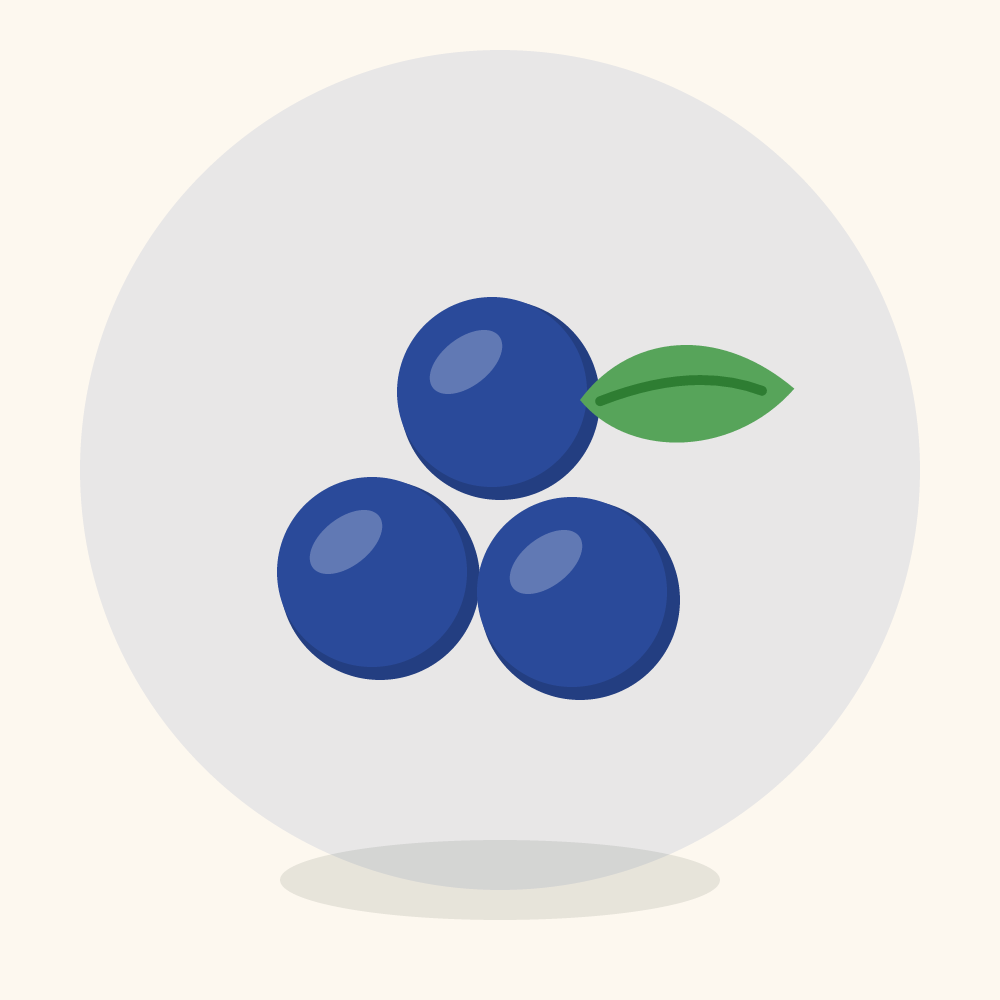
How do you eat blue quandong? Nibble the thin tart-mild flesh off the large sculptured seed, or cook the fruit into jam; keep the striking seeds for beads.
What does it taste like? Thin, mild, and slightly tart-sour flesh with a faint fruity flavor; the fruit is more remarkable for its vivid blue skin than for a bold taste, and is eaten fresh or made into preserves.
How to prepare & eat blue quandong
Nibble the thin tart-mild flesh off the large sculptured seed, or cook the fruit into jam; keep the striking seeds for beads.
Ways to eat & use it
- Eaten fresh, the thin tart-mild flesh nibbled off the large seed
- Made into jams, jellies, and drinks
- A traditional Aboriginal bush food
Pairs well with davidson plum, burdekin plum, blueberry.
What does blue quandong taste like?
Thin, mild, and slightly tart-sour flesh with a faint fruity flavor; the fruit is more remarkable for its vivid blue skin than for a bold taste, and is eaten fresh or made into preserves.
Sensory & practical profile
Taste fingerprint
- Sweetness
- Tartness
- Aroma
- Juiciness
- Firmness
Approximate, at peak ripeness · 0–5
- Ripe when
- The fruit turns a vivid, even blue and softens slightly; it's often gathered as windfalls beneath the tree.
- How to eat
- Nibble the thin tart-mild flesh off the large sculptured seed, or cook the fruit into jam; keep the striking seeds for beads.
- Typical price
- Budget
The blue quandong's electric-blue color isn't a pigment at all — it comes from microscopic structures in the skin that scatter light (structural color), the same trick that makes a butterfly's wing blue, and one of the very few examples of it in the fruit world.
When it's in season, by region
| Region | Peak months |
|---|---|
| Oceania | Mar–Aug (eastern Australia) |
How to tell when blue quandong is ripe
The fruit turns a vivid, even blue and softens slightly; it's often gathered as windfalls beneath the tree.
How to store blue quandong
A few days at room temperature. The thin flesh is best used soon; the durable, sculptured seeds are cleaned and kept for beads and craft.
Blue quandong: frequently asked questions
What does blue quandong taste like?
Thin, mild, and slightly tart-sour flesh with a faint fruity flavor; the fruit is more remarkable for its vivid blue skin than for a bold taste, and is eaten fresh or made into preserves.
When is blue quandong in season?
Blue quandong is typically in season Oceania (Mar–Aug (eastern Australia)). Peak months shift between the northern and southern hemispheres.
How do you eat blue quandong?
Nibble the thin tart-mild flesh off the large sculptured seed, or cook the fruit into jam; keep the striking seeds for beads.
How do you know when blue quandong is ripe?
The fruit turns a vivid, even blue and softens slightly; it's often gathered as windfalls beneath the tree.
Is blue quandong good for you?
Blue quandong is a nutritious everyday fruit, best enjoyed as part of a varied diet. It is a good source of fibre (about 3 g per 100 g), which supports digestion and satiety.
How much blue quandong should you eat?
A typical fruit serving is roughly a handful, one medium fruit, or about 80 g, and two or more varied fruit servings a day is a sensible everyday pattern.
See the full blue quandong profile — nutrition, season & more →